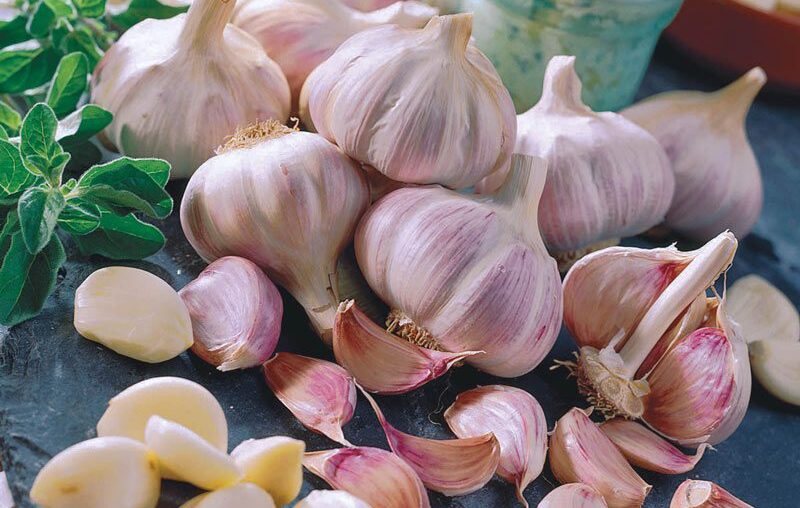
Are you wondering if garlic (Allium sativum) farming is profitable? Also Known as “Kitunguu saumu“, Garlic is a high-value crop and herb from the onion family. It is a species of bulbous flowering plants in the genus Allium. Its close relatives include the onion, shallot, leek, chives. The vegetable is used both for medicinal purposes and to spice food. In this post, we will estimate the profits and costs of garlic farming per acre in Kenya. It uses the cost and benefits method for you.
Your revenues will come from selling mature cloves at the normal market prices. On the other hand, the costs of kitunguu saumu farming per acre include land acquisition, installations, soil testing, seed acquisition, nursery establishment, transplanting, irrigation, fertilizers, manure, chemicals, labor, water, and other costs.
Why Garlic Farming?
Kitunguu saumu is widely used as a medicinal herb and a food spice. For those reasons, the vegetable is an important spice for a variety of traditional Swahili and Indian dishes like pishori in Kenya. In addition to adding flavor and nutrition, the following are additional benefits you can get from growing garlic.
- Nutrition benefits, Kitunguu saumu is a good source of vitamins and minerals, including Vitamin B & C, Calcium, phosphorus, and magnesium.
- Health benefits, garlic has allicin, the chemical released when it is crushed, it has numerous health benefits, including lowering blood sugar levels, cholesterol, and lipoproteins.
- Value addition opportunities, garlic powder fodmap is made from milling dehydrated cloves and has lower FODMAP content compared to fresh bulbs making it suitable for people with irritable bowel syndrome (IBS) or other digestive disorders.
- Highly profitable, there is a huge demand and ready market for garlic making it a profitable crop for small-scale production including hydroponic and greenhouse urban farming
- In organic farming, crushed garlic liquid can be sprayed on crops as an organic pesticide since it repeals pests.
Is there a Market for Garlic in Kenya?
Wondering if there is a ready market for garlic in Kenya? The demand for kitunguu saumu in Kenya is high. The total consumption of 10,000 metric tons in 2021. This demand is set to rise to 12,000 Mt by 2026.
Read Next: Which are the best garlic varieties in Kenya?
Kenya’s garlic supply stood at about 8,000 metric tons in 2021, a level expected to remain fairly stable in the near term. This limited production makes Kenya a net importer. China supplies roughly half of all the garlic consumed locally, with additional imports coming from India, the UK, Rwanda, Tanzania, the US, and the Netherlands.
Chinese garlic remains especially popular because it is cheaper and easy to peel, making it appealing to households, traders, and hotels.
Assumptions for Commercial Garlic Farming in Kenya
Commercial garlic farming requires the use of certified seed cloves, fertile soil, and water supply to produce high-quality garlic in demand by both local and export markets. For the purposes of completing this Gross margin analysis, we make the following assumptions.
- The farmer can manage the costs of production, including the costs of inputs such as fertilizers and herbicides, as well as labor costs
- Garlic is in high demand in Kenya’s local and export markets, and the prices of garlic are constant
- Farmers must have the necessary knowledge and skills to grow and manage garlic effectively, including knowledge of fertilizers, herbicides, and other inputs.
- The farmer has access to sufficient resources, including land, labor, and capital, to grow and harvest the garlic
- The weather conditions are favorable for garlic farming, with sufficient rainfall and sunlight.
Revenues for garlic farming in Kenya
Wondering how much money you can make from garlic farming in Kenya? To get your gross income, we multiply your harvest volume by average prices (Gross income = Yields in kg * farm gate prices)
Under good agricultural practices, an acre of garlic can produce 7000 kg. The yield potential for most varieties is 6-8 tons per acre with proper farming techniques.
At an average farm gate price of Ksh. 200 per kg, the gross income per acre will be about Ksh 1.4 million.
What are the Costs of garlic farming in Kenya?
The average cost of growing garlic per acre in Kenya is Ksh 250,000. It includes the cost of garlic seeds, irrigation, transport, labor, pesticides, and fertilizers.
Land Hiring Costs
Garlic thrives in areas with low humidity, low sunshine, moderate rainfall, and consistent temperatures throughout the year. The best garlic growing areas In Kenya, are Nyeri, Murang’a, Kiambu, Kirinyaga, Machakos, Embu, Meru, Laikipia, Nakuru, Narok, Kajiado, and Bomet Counties. The ideal ecological requirements for garlic farming are;
- Altitudes of 1,800-2,500 meters
- Temperature range of 13-24°C.
- Well-drained soils with a pH range of 6.0-7.5. The soil should be rich in organic matter and have good water-holding capacity.
- Access to irrigation water or well-distributed rainfall of over 600 mm during the growing period.
- Access to full sunlight for optimal growth and yield
You can access land here by hiring or leasing it per year. Besides, you can consider hydroponic garlic farming where accessing land is a challenge.
Land Preparation
Land preparation will ensure that the soil is well-aerated, free of weeds and pests, and has adequate nutrients for the garlic crop. To ensure this, these are the 3 recommended steps.
- Soil testing and analysis to know of its acidity or pH value and nutrient availability. The results of the analysis will help you in choosing fertilizers and manure needs.
- Land clearing, for your garlic production, choose a land where another Alliaceae family crops have been grown in the last 3 years. Any vegetation and or crops in the field should be removed to avoid the spread of diseases.
- Ploughing and harrowing, the land should be plowed and harrowed thoroughly 3-5 times and leveled properly. The field should be plowed to a depth of 15-20 cm.
- Basal Manure application uses some well-composted farm yard or animal manure during the last harrowing.
Garlic seeds buying costs.
Make sure the garlic seed you use is certified, high-quality, and free from diseases. Quality seed increases the chances of producing vigorous plants and well-formed bulbs. Some of the top-performing garlic varieties grown in Kenya include German Extra Hardy, Georgian Crystal, Inchelium Red, Chesnok Red, Music Garlic, and Sicilian Artichoke.c.
The recommended seed rate per acre for garlic farming is between 320 to 400 kg per acre. The cost of garlic seeds ranges from KES 500 per kilogram. Assuming a moderate seeds need of 360kg, you will need Ksh 20,000 to secure enough seeds for an acre.
Planting
For single-row planting, a spacing of 20 cm between rows and 5-10 cm between plants is recommended. A 10 cm trench should be made, and basal fertilizer applied and covered with 5 cm of soil before planting. The planting depth is 5 cm, and the sprouts should be placed facing upwards, with the seed covered by a layer of soil. For double-row planting, a spacing of 40 cm between double rows on a ridge, 20 m between rows, and 5-10 cm between cloves is recommended.
Fertilizer and Manure application
Successful garlic production depends heavily on proper manure and fertilizer management. Below are the recommended application rates to help you achieve strong growth and high-quality bulbs:
- Basal Manure Application: During land preparation, apply 16 tons per acre of well-decomposed manure and dig it in.
- Planting fertilizer uses 80 kg/acre of TSP, which should be mixed well with the soil.
- Topdressing: Top-dress with 40 kg/acre CAN when plants are 25 cm, and top-dress with 80 kg/acre CAN four weeks later.
- Foliar Fertilizer Application: apply a light all-purpose fertilizer every 30 to 40 days, using 5-5-5 or 10-10-10 fertilizer, and ensure that the granules do not touch the actual plant.
Irrigation & Mulching
Irrigate your garlic farm every 3-4 days from planting until more than 80% of planted cloves sprout. Then it can be reduced to once a week. Irrigation should be stopped 3 weeks before harvest or at the maturity stage when leaves start senescing or turning yellow and necks become soft.
Mulching is recommended to cover the soil surface with straw or any other materials to conserve soil moisture and suppress weeds. This method can also be effective for rust disease control since mulch can protect soil from raindrop splash.
Weed Control
The first weeding should be done 1-2 weeks after emergence. The second weeding should be done 4-5 weeks after crop emergence. Avoid weeding when the soil is wet to avoid compaction. Deep cultivation close to the plants should be avoided.
Mulching is recommended for suppressing weeds, maintaining soil moisture content, and disease control.
Pest Control
Garlic farming in Kenya is susceptible to various pests, including bulb mites, thrips, nematodes, and aphids.
The cheapest methods for controlling pests in garlic farming include cultural, predatory, and organic pest control methods. These methods include using beneficial nematodes, introducing predators, and using organic pesticides.
Disease Management
Garlic farming in Kenya is susceptible to various diseases, including white rot, downy mildew, basal rot, purple blotch, stemphylium leaf blight, and anthracnose.
The cheapest methods for managing diseases in garlic farming include cultural, organic, and chemical control methods. These methods include changing planting dates to avoid having a full canopy during conditions favorable for downy mildew, using disease-free bulbs, sets, and seed, removing and destroying material of any Allium plants, including residue from the previous crop, volunteer plants, and culls from storage, and using organic pesticides.
Harvesting
Garlic in Kenya is harvested in 90-120 days after sowing. You will know your garlic is ready for harvesting when its leaves turn yellow, necks soften and/or bend over.
To harvest garlic, use a digging fork or shovel to loosen the soil around the bulbs. Gently lift the bulbs from the soil, taking care not to damage them. Shake off any excess soil and remove the roots and tops.
Value addition and Storage
After harvesting, the plants should be moved from the field into a dark, dry, well-ventilated area for drying and curing of the bulbs. The purpose of curing is to store longer duration and prevent diseases/pests, hence prolonging the shelf life.
Bulbs should be moved out of the sunshine as quickly as possible after digging, and tops and roots can be removed after several weeks when drying and curing are complete.
Garlic bulbs can be stored in 25, 50, or 120 kg bags in dry stores by vendors. Storage life under appropriate conditions could be 5-8 months at room temperature for seed purposes, depending on the variety.
Marketing
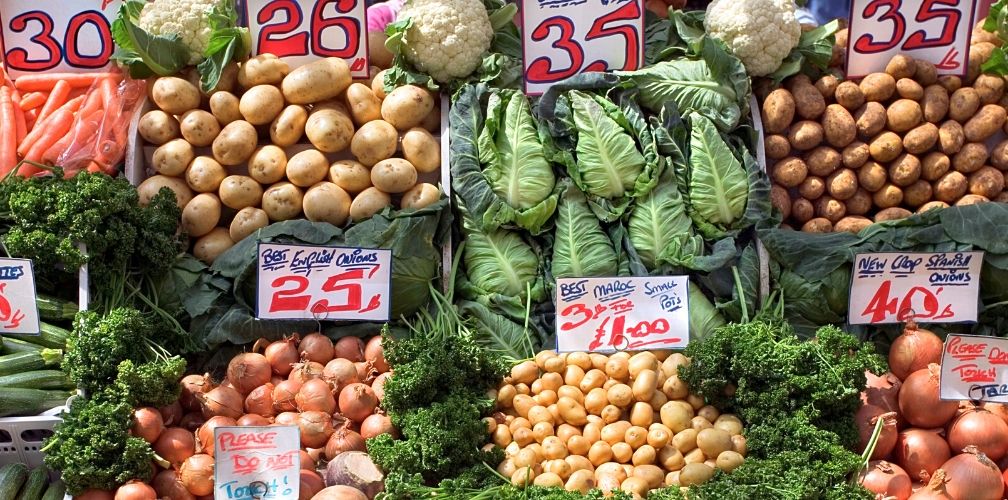
Garlic marketing in Kenya involves selling it through various channels, including local markets, supermarkets, and vendors, it price varies depending on season and grading.
The average price of Kenyan garlic is 289.6 shillings per kilogram, with the retail price range being between KES 208.33 and KES 347.22 per kilogram in 2023. The approximate wholesale price range for Kenya garlic is between KES 148.94 and KES 248.24 per kilogram. The average price for a ton of garlic is 311,447.96 shillings in Mombasa and Nairobi.
How Profitable is Garlic Farming in Kenya?
According to various sources, the average cost of growing garlic per acre in Kenya is Ksh 400,000. The gross income per acre is about Ksh 1.4 million. The profitability or net income of garlic farming per acre in Kenya ranges is therefore Ksh 1 million under the best conditions.


Can one rely on rainfall to farm garlic?