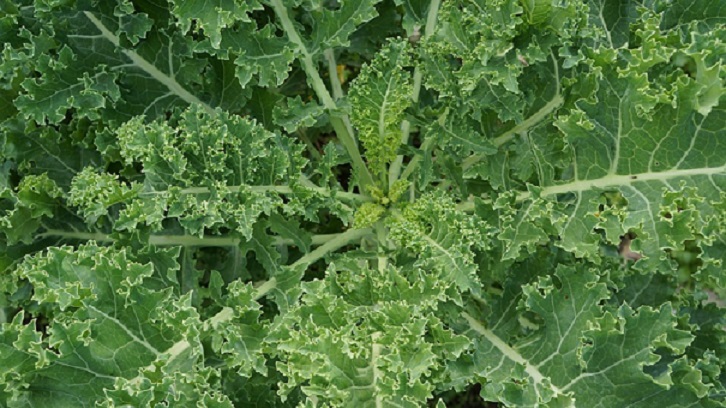
Are you looking for the best kales seeds to grow on your farm? In this post, we give you the best sukuma wiki varieties in Kenya. The guide is best if you are growing them for sale or food.
Kales and collard greens are popularly known as “sukuma wiki” in Kenya, Tanzania, and Uganda. They are the most popular vegetables in the region. Each household takes a meal of this vegetable with ugali almost on a daily basis. Given its high demand, you can mince millions of profits by growing high yielding seeds of types.
Table of contents
How to choose high quality kales seeds?
How do you choose the best vegetable seeds? Here are some factors to consider in quality seeds selection exercise.
- Demand; As a farmer, grow the seed types that are liked most by your traders and final consumers.
- Maturity; Growing the fast growing seeds will give you more profits and can withstand moisture and heat stress.
- Disease and Pest Tolerance; Choose Sukuma wiki varieties that are tolerant to common pests. These varieties are easier and cheaper to grow. They remove the need for costly pesticides.
- Harvesting Period; Choose a seed variety that delays its time to flower. This allows you to enjoy a longer harvesting period before replacement.
- Yield Potential; For Higher yields and income, go for sukuma wiki types with higher harvests per stem or per acre.
Read Next: How Profitable is sukuma wiki farming in Kenya
Which are the best types of kale in Kenya?
The post will compare their yield in Tons per acre. It will also compare the maturity period in days to harvest your collards after transplanting them. Besides, the guide gives you the best altitude range in meters above sea level for optimal production. The specific features for each seed variety is given in detail after the summary.
| Kale Variety | Yield | Maturity days |
|---|---|---|
| Continental | 12.5-19 T/acre | 50-60 days |
| Kinale | 36 T/ha. | 30 days |
| Tosha | 119 – 218 T/ ha. | 30 days |
| 1000 headed | 8 T/ acre. | 60 days |
| Southern Georgia | 15 T/acre | 90 days |
| Marrow Stem | 7-9 T/acre | 80-90 days |
| Mfalme F1 | 15-20 T/Acre | 45 days |
| Kanzira | 15 T/Acre | 35 days |
| Malkia F1 | 20-25 T/Acre | 45-60 days |
Below is a list of the nine best seed varieties for your farm. They include the exotic collard greens, Ethiopian Kales (kanzira), hybrid varieties and the indigenous types like the Tosha and Kinale.
Continental Multi leaves
Kale Multi leaves is a green vigorous vegetable with multiple soft, tender leaves and a longer harvesting period. The variety has a good tolerance to light frost. Ideal for growing year-round in all areas of Kenya. The variety matures in 50-60 days after transplanting. Has a potential yield of 12.5-19 tons per acre under good farming practices. The variety has shown resistance to fusarium yellow and black rot diseases.
Kale Multi Leaves variety Top Features
- Maturity Period; 50-60 days
- Potential yield of 12.5-19 tons/acre
- Fast growth rate.
- Longer harvesting period.
Kinale
The Kinale kale variety is your best kale variety if you are looking to harvest your crop for long periods. Its known to last for 3 months to 3 years under proper crop management. Kinale Kale variety is high in nutrient content and the easiest kale variety to cultivate in Kenya. The vegetable is high yielding making it among the best even for small kitchen gardening.
Kinale Kale Features making it your best kale variety to grow in Kenya are;
- Maturity; 1 month after transplanting.
- Altitude range; 1100m – 2500m above sea level.
- Yield 90 – 245 t/ha.
- The seed yield is also very high.
Tosha
The Tosha Kale variety is a good choice if you want a kale with a long harvesting period. It’s the highest yielding kale variety in Kenya giving you between 119-245 tons per ha. Tosha Sukuma wiki variety is an early maturing variety ready for harvesting 1 month after transplanting.
Tosha Kale top features;
- Maturity; 1 month after transplanting.
- Altitude range; 1100 – 2500m above sea level.
- Yield; 119 – 218 T/ ha.
Thousand headed
The Thousand headed kales variety is the best kale variety in Kenya. It is popular for warm climates with little rainfall or minimal irrigation. It’s a fast maturing type taking around 2 months from transplanting. The Thousand headed is an indeterminate type and you can harvest it several times before flowering. It is drought and heat tolerant variety. The thousand headed cooked kale is light green in color. Another key feature is that its stems has prolific branching
Thousand Headed Key features.
- Maturity; 60 days.
- The stem can grow upto 2m long.
- Yields; 8 T/ acre.
- Rainfall; 750 mm p.a
- Stem height; 2 m tall
Southern Georgia Collard
The southern Georgia collard variety is the most popular Kale variety in Kenya. Its widely adapted to both cold and warm areas. It is drought and heat tolerant. In addition it’s tolerant to soft rot and black rot diseases. It matures early within 90 days after transplanting. Its high in vitamin A and C.
- Widely adapted even to warmer areas
- Flowers after a short period of harvesting
- Yield: 8 tons/acre.
- Rainfall; 500 mm p.a
- Maturity; 60-90 days after transplating
Marrow Stem
Marrow stem is a popular Kale variety adapted to cool areas with low temperatures and good distribution of rainfall. It has dark green leaves with low dry matter content. The variety has thick stem and large leaves. It is a tall variety that grows up to 2m long. It has a high demand for its dark green leaves with sweet taste and little fibre. It also has good digestibility and low dry-matter content
- Yield: 7-9 tons per acre
- Rainfall; 500-750 mm
- Maturity; 80-90 days
Mfalme F1
Are you looking for the best kale variety for an organic kitchen garden? The Mfalme f1 is the best variety for Kenyas kitchen gardens. Its tolerant to powdery mildew disease, white flies and aphids. It’s a highly prolific variety with long harvesting period of more than a year. Its known to be very profitable for its low use of pesticides. Besides, its leaves are less acidic hence a good choice if you have stomach ulcers. The leaves has soft tender leaves that are easy to cook. Besides, it has a Very sweet taste, non-acidic and highly palatable.
- Maturity; 45-60 days after transplanting.
- Rainfall; <500mm per season.
- Yield; 15,000-20,000kg per acre
Kanzira (Ethiopian Kale)
This is a traditional crop of the western and coastal communities. Of late it has gained a lot of popularity in major towns across Kenya. Kanzira, known as Ethiopian Kales in English, has leaves that are less acidic when cooked. Therefore, it is a preferred choice among people with stomach ulcers. Smaller leafed kanzira varieties are mainly uprooted as shoots whereas larger leaved varieties are harvested like “sukuma siku” or spinach.
Kanzira have long harvesting periods that can last for up to 10 weeks. It is a cold tolerant variety that is suitable for cultivation at high attitudes. Finally its tolerant to insect pests and diseases. On the downside, Ethiopian kales leaves are very perishable unlike other varieties
Read Next; How to grow high quality Kales in Kenya
Kanzira vegetable Features
- Maturity; harvesting starts from 35 days after sowing.
- Rainfall; 500 mm per season
- Harvesting Period; 10 weeks
- Potential; 15 tons per acre.
Malkia F1
Malkia F1 is a Moss curly kale variety. In Kenya it is commonly known as Sukuma siku or Sukuma matumbo. Its not a very common kale cultivar in the region. It has dark curly leaves that are very tasty. Besides, the kale variety has low fibre content and has good digestibility. It’s fit for growing in cool growing conditions. The leaves are tender and tastier and takes a shorter time to cook hence saving on energy.
Malkia F1 Features
- Yield Potential; 24 tons per acre
- Maturity; 45-60 days from transplanting
- Rainfall; 750 mm p.a
Benefits of growing quality kale seeds?
You can get many benefits for growing the best seeds variety in your farm. They include increasing your profits, harvests and reducing post harvest losses. By growing the high quality kales seeds, the following are some benefits you can get;
- Get higher quality kale yields and kale farm profits.
- To reduce post harvest losses by accessing a ready market for growing types of kale that are in demand
- To lower the cost of kale farming by growing kale types that are disease and pest resistant.
Read More; KALRO/KALE Variety Selection Factsheet No. 1




Your post are good but where can I get kale mfalmeF1 which is dark green in colour as we have many types which are confusing in the market