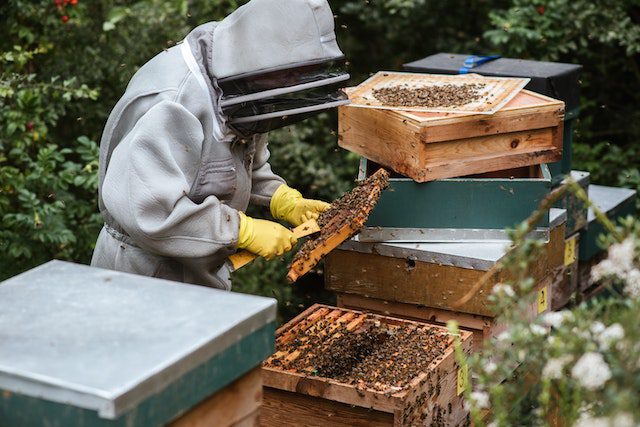
Are you wondering whether beekeeping will actually make you money in Kenya today?
In this post, explore the up to date costs, sales and profits for keeping bees in ASAL counties of Kenya such as Kitui, Baringo & Samburu. You will compare a 5, 20, 50 or 100 modern bee hives apiary. Besides, you will learn about beehives suppliers, honey market and common reasons beekeepers lose money and how to avoid it.
According to agcenture analysis, A 20-hive apiary will produces about 320 kg of honey a year under best assumptions. At currnent price of KSh 500 per kilo of honey in 2026, your revenue will be KSh 160,000 in sales and roughly KSh 121,800 after operating costs. The cost of setting it up is around KSh 186,000.
- What you need to know about Honey Market in Kenya?
- Is Beekeeping really a good agribusiness idea for You?
- Is commercial beekeeping in Kenya Profitable?
- How Much Does It Cost to Start Beekeeping in Kenya?
- Where Can You Buy Best Bee Hives in Kenya, and at What Price?
- How to make more money as a beekeeper?
- Hunt for better Price per Kg
- How Long Is Your Money Tied Up in bee keeping?
- Where to Sell Honey in Kenya?
- What Is Legally Required to Sell Honey in Kenya?
- Why Do Beekeeping Businesses Fail in Kenya?
- Challenges Affecting Beekeeping in Kenya?
- What Can One Farmer's Experience Teach You?
- Can You Make Money in Beekeeping Without Keeping Bees?
- Frequently Asked Questions
- Your Next Decisions
What you need to know about Honey Market in Kenya?
Below are interesting facts about honey production and consumption in the country.
There is a a growing demand in the local market. Honey sales are majorly driven by its many traditional and medicinal uses. The The top markets for honey in Kenya are;
- As a natural sweetener in place of refined sugar for food (cake, chapatti, bread, etc.) and drinks.
- Medicine to treat coughs, ulcers, wounds, and sore throats.
- Traditional food preservative
- Energy food for young, old, and sick people
- Making local beer such as Kaluvu
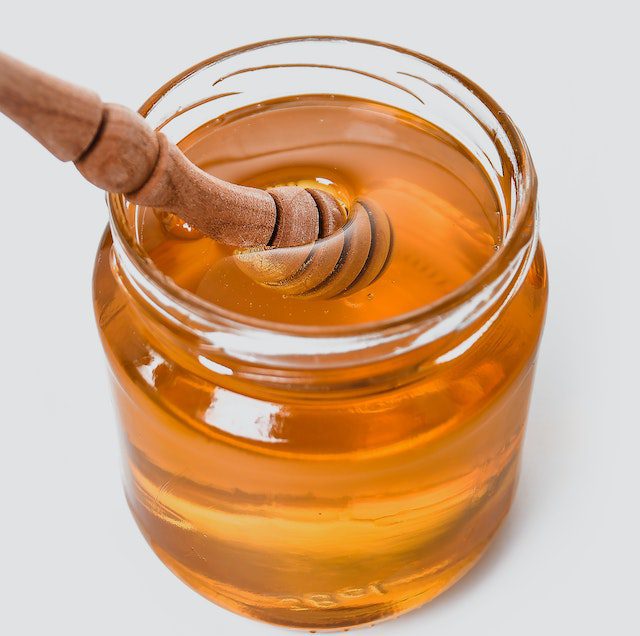
Kenya produced 17,265,068 kg of honey in 2021 according to the Kenya National Bureau of Statistics national agriculture production report. The top producing counties are Kitui (4,508,023 kg) Followed by Kakamega with 1,557,668 kg. West Pokot and Embu produced 1,402,320 kg with 1,331,040 kg respectively. These alone produced 50.96% of honey in Kenya.
National honey output has decline by half in the last decade. According to FAOSTAT Kenya produced 34,759 tonnes in 2015 which has fallen to 17,151 tonnes in 2023, before recovering to about 19,462 tonnes in 2024. Kenya ranks 23rd among honey producing countries and supplies 0.9% of world output.
Dryland counties carry the sector. Arid and semi-arid lands produce roughly 80% of Kenya’s honey, according to KIPPRA. ASALs make up about 80% of Kenya’s land area, and their acacia flora feeds colonies through dry seasons.
Honey production is mainly subsistence using low-yield traditional hives. Around 80% of Kenyan beekeepers still use traditional log hives. Those return roughly 5 to 8 kg per harvest, against 20 kg or more from a well-managed Langstroth. A 2025 review in Agriculture links log-hive mashing directly to lower volumes and poorer quality.
Honey is a high-value product compared to major crop and animal products. Baringo County recorded 882 tonnes in 2022, valued at KSh 350 million. That works out at about KSh 397 (≈400) a kilo, which is the bulk price assumed later in our computations.
Kenya buys more honey than it sells abroad. OEC trade data show 2024 imports of roughly 309 tonnes worth USD 550,000, mostly from Egypt. Exports were about 45 tonnes worth USD 394,000, mostly to Somalia. Between 2013 and 2023, import volumes ran 4.5 times higher than exports, at 2,116 tonnes against 460.8 tonnes.
Low export volumes. Only 0.46% of Kenya’s 2021 honey production was traded out the country. Somalia is the key honey nuyer which took 96.71% of Kenya’s honey. Kenya was delisted from the European Union honey market in 2006 over residue monitoring, and that ban still stands.
Read Next; Which are types of Bees in Kenya?
Is Beekeeping really a good agribusiness idea for You?
Here are the four reasons you need to keeep bees.
- No land requirements making it ideal for women and youth. A 20-hive apiary occupies a fraction of an acre. Almost all your capital goes into productive assets. Twenty hives cost about KSh 186,000 and can return roughly KSh 121,800 a year at full production.
- Scalable, You can enter in stages. For instance start with five hives at a cost of about KSh 58,000. Very few agribusinesses let you test the whole model at that price and then scale the same system.
- Better Margins with No irrigation, fertiliser, or herbicide costs. beekeeping costs include cheap feeding, wax, transport and repairs. That keeps running costs at roughly 24% of sales at small scale.
- Dryland forage keeps working when crops fail. Acacia and other drought-tolerant flora carry colonies through seasons that ruin a maize or bean crop.
- Improve your crop yields. According to UNDP Equator Initiative, there was a 5% to 30% harvests growth among Honey Care Africa participants, through better pollination.
- Diversification; Honey, beeswax, and propolis are the three major products of beekeeping in Kenya. Other products with a growing demand are royal jelly, pollen, bee venom, and bee brood.
Before you spend anything, check your situation against this table.
| Your situation | Verdict |
|---|---|
| You own or lease land with year-round flowering plants | Yes. Forage is the binding constraint |
| You have a water source within about 1 km | Yes. A colony drinks roughly a litre a day |
| Your neighbours spray pesticides heavily | Caution. Spray drift kills colonies |
| You have no buyer identified | Caution. Find the buyer before you buy hives |
| You need income within six months | No. Your first real harvest comes later |
| You cannot visit the site every two weeks | No. Unmanaged hives abscond or get robbedBefore you spend anything, check your situation against this table. Your situation |
Is commercial beekeeping in Kenya Profitable?
Is beekeeping in Kenya profitable? The answer is yes. But it will depend on how well you manage your apiary.
Here is a simplified cost and benefits analysis for you. It will give you estimated annual operating surplus by substracting your sales fromr running costs. It does not deduct depreciation, loan interest, tax, or the value of your own time.
Bee Keeping enterprise analysis assumptions
The estimate makes the following assumptions.
| Assumption | Value used | Why |
|---|---|---|
| Hive type | Langstroth | Removable frames, higher yield, easier inspection |
| Colony occupancy | 80% of hives | 20 hives gives you 16 producing hives |
| Yield per producing hive | 20 kg a year | Across two harvests, under active management |
| Bulk price | KSh 500 per kg | A contract farm-gate price, not a market floor |
| Harvests | 2 a year | Tied to the two rainy seasons in most zones |
| Owner labour | Unpaid below 50 hives | You work free, so margins look better than they are |
How Much Can You Make from Beekeeping?
Here is the same apiary at four scales, all at KSh 500 per kilo.
| 5 hives | 20 hives | 50 hives | 100 hives | |
|---|---|---|---|---|
| Producing hives at 80% | 4 | 16 | 40 | 80 |
| Annual yield | 80 kg | 320 kg | 800 kg | 1,600 kg |
| Sales at KSh 500 per kg | 40,000 | 160,000 | 400,000 | 800,000 |
| Running costs | 9,540 | 38,160 | 155,400 | 334,800 |
| Operating surplus | 30,460 | 121,840 | 244,600 | 465,200 |
| Surplus as % of sales | 76% | 76% | 61% | 58% |
| Capital cost | 58,000 | 186,000 | 443,000 | 895,000 |
Your margin falls as you scale, from 76% down to 58%. That happens because you stop working for free.
Below 50 hives you do the work yourself and take no wage. From 50 hives you need paid help, so we have costed one part-time attendant at 50 hives and one full-time attendant at 100 hives.
The 76% margin at 20 hives therefore includes your own unpaid labour. Price your time before you call that figure profit.
What is the Costs of Beekeeping in Kenya ?
Most zones will give you two production cycles a year. Here is what a 20-hive apiary spends.
| Cost item | Per cycle | Per year |
|---|---|---|
| Wax foundation and comb replacement | 3,000 | 6,000 |
| Supplementary feeding in dry spells | 5,000 | 10,000 |
| Harvest labour, casual | 3,000 | 6,000 |
| Extractor hire | 1,600 | 3,200 |
| Transport to buyer | 2,000 | 4,000 |
| Bulk containers | 2,000 | 4,000 |
| Repairs and replacements | 2,500 | 5,000 |
| Total | 19,100 | 38,200 |
How Much Does It Cost to Start Beekeeping in Kenya?
The following is a list of the key equipment and tools you will need to start and run a commercial beekeeping business in Kenya.
- Beehives – for housing bees. A hive is the most important piece of beekeeping equipment. For ample production invest in a modern bee hive like the Kenya Top Bar Hives (KTBH) or the Langstroth Hives. A modern one goes for around Ksh 6500
- Bee-suit – a personal protective suit to protect you from bee stinging and gives you comfort as you work under heat or cold weather. A complete suit consists of the following items:
- Veil: for covering the head and face and giving protection from stings.
- Overall: for covering the rest of the body
- Gloves: for covering the hands
- Gumboots for covering the feet.
- Elastic bands to seal your ankles and wrists from the bees
- Smoker – the bee smoker is used to control the bees and keep them from becoming aggressive when they are handled.
- Catcher box– For transferring bees from one place to another – it’s a miniature hive.
- Hive tool- For lifting top bars. The hive tool can be improvised by using a strong knife.
- Bee brush– For brushing bees from combs when harvesting honey or at any other time you need to remove bees. You can improvise by using a feather.
- Other items for if you wish to diversify your beekeeping business are Bee pollen collector, queen excluder, propolis trap, etc.
Capital expenditure is your one-off spend. It buys hives, stands, protective gear and harvesting kit.
| Item | 5 hives | 20 hives | 50 hives | 100 hives |
|---|---|---|---|---|
| Langstroth hives at KSh 5,000 | 25,000 | 100,000 | 250,000 | 500,000 |
| Metal stands at KSh 1,500 | 7,500 | 30,000 | 75,000 | 150,000 |
| Catcher boxes at KSh 2,000 | 4,000 | 10,000 | 20,000 | 40,000 |
| Bee suits at KSh 3,000 | 3,000 | 6,000 | 9,000 | 15,000 |
| Smokers at KSh 2,200 | 2,200 | 2,200 | 4,400 | 6,600 |
| Hive tools, brush, gloves, boots | 5,000 | 5,000 | 10,000 | 20,000 |
| Extractor | Hire | Hire | 25,000 | 48,000 |
| Settling tank, sieves, refractometer | 6,000 | 18,000 | 20,000 | 35,000 |
| Site clearing, fencing, store | 5,000 | 15,000 | 30,000 | 80,000 |
| Total capital cost | 58,000 | 186,000 | 443,000 | 895,000 |
Prices checked August 2026.
Where Can You Buy Best Bee Hives in Kenya, and at What Price?
There are many suppliers of quality beehives and other equipment for you. Majority do home deliveries and sell items as a package saving you some money and tome.
Langstroth hives in Kenya cost between KSh 4,500 and KSh 9,000 as of August 2026. Locally made hives sit at the lower end, and imported hives at the upper end.
These are published listed prices. Ring and confirm before you order.
| Supplier | Location | Product | Listed price | Checked |
|---|---|---|---|---|
| Urban Beekeepers | Nairobi | Langstroth hive, 10 frame | KSh 4,499 | Aug 2026 |
| Modern Bee Farmers | Nairobi | Pine Langstroth hive | from KSh 4,950 | Aug 2026 |
| Apiken | Nairobi CBD | Langstroth hive | from KSh 5,000 | Aug 2026 |
| Yatta Beekeepers | Machakos | Langstroth hive | KSh 5,000 to 7,000 | Aug 2026 |
| Savannah Honey | Utawala, Nairobi | Langstroth hive | KSh 5,500 | Aug 2026 |
| Sidget Safety | Nairobi | Imported Langstroth hive | KSh 9,000 | Aug 2026 |
| Apiken | Nairobi CBD | Kenya Top Bar Hive | from KSh 4,800 | Aug 2026 |
| Modern Bee Farmers | Nairobi | Kenya Top Bar Hive | from KSh 5,550 | Aug 2026 |
| Apiken | Nairobi CBD | Stainless steel smoker | KSh 2,200 | Aug 2026 |
| Apiken | Nairobi CBD | Bee suit | KSh 3,000 | Aug 2026 |
| Sidget Safety | Nairobi | Bee suit | KSh 3,500 | Aug 2026 |
Timber species moves the price more than the brand name does. Ask what wood the hive is made from.
How to make more money as a beekeeper?
Aim for higer Yields per Hive
Yield is the number most beginners get wrong. Traditional log hives give 5 to 8 kg a harvest, which is why the 5 kg row below matters. Here is the 20-hive apiary financial performance at KSh 500 per kilo with double, triple, quadrabke production per hive
| Yield per producing hive | Annual harvest | Sales | Running costs | Operating surplus |
|---|---|---|---|---|
| 5 kg | 80 kg | 40,000 | 29,040 | 10,960 |
| 10 kg | 160 kg | 80,000 | 32,080 | 47,920 |
| 20 kg (base) | 320 kg | 160,000 | 38,160 | 121,840 |
| 25 kg | 400 kg | 200,000 | 41,200 | 158,800 |
At 5 kg a hive you stay positive, but barely. You would not recover your capital for many years.
Hunt for better Price per Kg
To get better prices as a beekeeper in Kenya, you can consider following ideas, diversification, contract farming, value addition, and branding.
Diversifiy your bee farm by harvesting and selling other bee products than honey at the following prevailing market prices.
| Bee product | Minimum Price (Ksh/kg) |
|---|---|
| Raw Honey | 500 |
| Wax | 700 |
| Propolis | 1600-1900 |
| Pollen | 6800 |
| Pollination Services | 5000* |
Pollination services is an innovative beekeeping idea. You will operate a business where you can lease your beehives for 21 days to fruit
Now considering contracted farming, hold your harvest at 320 kg and change only the buyers.
| Channel | Price per kg | Sales | Extra costs | Operating surplus |
|---|---|---|---|---|
| Broker at the farm gate | KSh 250 | 80,000 | 0 | 41,840 |
| Cooperative | KSh 350 | 112,000 | 0 | 73,840 |
| Contract processor | KSh 500 | 160,000 | 0 | 121,840 |
| Bulk trade buyer | KSh 700 | 224,000 | 0 | 185,840 |
| Bottled retail | KSh 800 | 256,000 | 48,000 | 169,840 |
Identical production gives you five very different years. The gap between a broker and a contract processor is KSh 80,000, which is more than you would gain from almost any technical improvement.
Value addition of crude honey into pure refined honey and package it into quality plastic and glass jars. Then, label them indicating net weight, name, and address of the producer’s country of origin, and the words such as pure honey. Bottled retail is not free money. Jars, labels and certification add roughly KSh 150 a kilo, so get a real quote before you model it. At the volumes above, a bulk trade sale can beat a retail sale once you count packaging.
How Long Is Your Money Tied Up in bee keeping?
You hand over cash today. Here is when it comes back.
| Stage | Roughly when | What happens to your cash |
|---|---|---|
| You buy hives and gear | Month 0 | KSh 186,000 goes out |
| Colonies move in | Months 1 to 4 | Nothing comes back |
| First small harvest | Months 8 to 12 | Partial income, maybe half a year |
| Full production | Year 2 onwards | About KSh 121,800 a year |
| Capital recovered | Around months 26 to 30 | Only if occupancy holds at 80% |
Change one number and the picture shifts. At 40% occupancy your surplus roughly halves, and capital recovery slips past year four. This is why a five or six hive trial makes sense for most people. You risk KSh 58,000 rather than KSh 186,000 while you learn how your site behaves. tSart small- Instead of borrowing loans to start a huge apiary as in this post, start small using traditional bee hives and equipment. But have a business plan on how to expand and shift operations from production only to honey refining, packaging, and labeling.
Where to Sell Honey in Kenya?
Most Kenyan honey moves through informal channels. A University of Nairobi study in Nyandarua found 53.38% of consumers bought straight from beekeepers and 20.54% from hawkers. Kiosks took 7.55% and roadside markets 3.49%. Only 14.34% bought from supermarkets.
So your market is really a short list of five options.
| Channel | Example | Reported price | Trade-off |
|---|---|---|---|
| Broker or middleman | Informal buyers, Kitui | KSh 200 to 250 per kg (2025) | Instant cash, lowest price |
| Cooperative | Kamaki Farmers Cooperative, Kitui | KSh 350 per kg (2025) | Better price, needs membership |
| Contract processor | Savannah Honey, Utawala | KSh 500 per kg | Guaranteed market, five-year contract |
| Bulk trade buyer | Native Beecare, jerrican rate | KSh 700 per kg | Good price, needs volume and quality |
| Direct retail | Your own bottled brand | KSh 800 to 1,200 per kg | Best price, needs KEBS compliance |
Raw bulk honey in Kenya trades between KSh 350 and KSh 700 a kilo. Packaged honey retails between KSh 800 and KSh 1,200 a kilo.
Savannah Honey also buys other hive products under contract. Reported prices include beeswax at KSh 700 a kilo, propolis at KSh 1,600 to 1,900 a kilo, and bee pollen at KSh 6,800 a kilo. The company also offers contracted farmers a Langstroth hive at KSh 4,800 rather than KSh 5,500.
Honey Care Africa runs a similar contract model and belongs to the World Fair Trade Organization. It does not publish its farm-gate price, so ask directly.
Published price data varies widely by market level. Selina Wamucii currently lists Kenyan honey anywhere between KSh 110 and KSh 894 a kilo. Treat KSh 500 as your modelling assumption and get your buyer’s rate confirmed in writing.
What Is Legally Required to Sell Honey in Kenya?
- The Beekeeping Act, 2002 provides the sector’s founding framework.
- The Food, Drugs and Chemical Substances Act, Cap 254 governs honey as a food.
- KS EAS 36:2020, the Kenya Standard for honey, sets the specification. It caps moisture at 20%, sucrose at 5% and hydroxymethylfurfural at 40 mg/kg.
- KS EAS 1149:2024 covers industrial honey, with a looser 25% moisture cap.
- KS EAS 1147:2024 covers flavoured honey and requires the words “flavoured honey” on the pack.
- The Livestock (Bee Industry) Regulations, 2023 remain in draft form.
- The Livestock Bill, 2024 would make apiary registration and annual licensing compulsory. It has not been enacted as of August 2026. It was withdrawn for public participation, which as of August 2026 has still not happened.
To sell into supermarkets you need a mandatory conformity assessment and the KEBS standardisation mark.
In practice
Most small beekeepers sell informally and register nothing. If you sell locally in bulk, you will usually need a county single business permit and a food handler’s certificate.
Compliance is weak even among branded products. A 2025 survey of 34 honey products across Naivas, QuickMart, Chandarana and Carrefour found that all 24 local brands failed the labelling requirement. They used words like “natural” and “pure” instead of declaring origin, processing method or presentation. Only 40% of imported brands declared botanical origin.
Correct labelling costs you very little and almost nobody does it, which gives you an easy way to stand out.
Regulations do change. Confirm the current position with your county livestock office before you commit money.
Why Do Beekeeping Businesses Fail in Kenya?
- Empty hives: Occupancy is your single biggest financial variable. At 80% occupancy a 20-hive apiary returns a KSh 121,800 surplus. At 40% it returns around KSh 50,000, while most of your fixed costs stay exactly where they were. Bait your hives properly and site them well. Never assume bees will simply turn up.
- Colony loss:This risk is larger than most guides admit. A national survey of 589 Kenyan beekeepers reported an average bee population decline of 36.6% between 2021 and 2022. Losses reached 31.9% in the hot dry season against 20.2% in the cold wet season. The published causes are climate stress, loss of bee forage through deforestation, pests, disease and pesticide use. Charcoal burning in acacia woodland has hit Baringo, Makueni and Kitui directly.
- Selling to the wrong buyer: On 320 kg of honey, moving from a broker at KSh 250 to a contract processor at KSh 500 doubles your revenue with no change in production.
- Quality failure: Honey above 20% moisture falls outside the food-grade standard. It gets pushed into the industrial grade, which fetches less. Poor handling therefore costs you money at the point of sale, not at the point of production.
Challenges Affecting Beekeeping in Kenya?
Wind can turn a good site into a bad one
Bees dislike high-velocity air, and exposed sites trigger absconding. Tuck your hives into sheltered corners with natural vegetation as a windbreak.
Honey badgers can clear a colony overnight
Use metal stands and fit sheet-metal guards that a badger cannot climb. Check them after every rainy season.
Moisture can spoil a good harvest
Excess moisture lets yeasts ferment your honey. Never dry jars or sieves with a cloth, and air-dry everything instead. Use a hand-held refractometer and stay comfortably below the 20% ceiling in the standard.
Sterilise jars in boiling water. Water boils below 100°C at altitude, so allow longer if you are high up, and confirm your timings against a food safety source rather than local habit.
Overheating destroys quality you cannot see
Several Kenyan studies record beekeepers warming honey in temperature-unregulated water baths. That damages heat-sensitive quality markers such as diastase and raises hydroxymethylfurfural. The standard caps HMF at 40 mg/kg, and buyers test for it.
Poor traceability weakens your price
Never mix harvests. Label every batch with a date and a site. Buyers pay more when they can trace what they are buying, and floral profiles differ between harvests.
Labour arrangements can quietly eat your margin
Some small operators link casual payment partly to harvest volume or sales, which can align incentives well.
Before you try it, check the employment requirements that apply to you and put the arrangement in writing. It is one operator’s model, not an industry standard.
Pesticide drift sits outside your control
Talk to neighbouring farmers before you site an apiary. Their spray timing will matter more to your colonies than almost anything you do inside the hive.
What Can One Farmer’s Experience Teach You?
Wairi’s world farm is located in Laikipia. In one season her half-acre of organic beans failed. The rains stopped in May and she harvested less than a bag. Her honey enterprise carried on through the same period, needing no irrigation and no herbicide.
That is one season on one farm, so it does not prove beekeeping beats crops. Rainfall failure hurts forage too, just on a longer lag.
What you can borrow is her method. She began with five or six hives to learn local colony behaviour before committing more capital.
Test. Learn. Record. Then expand.
Can You Make Money in Beekeeping Without Keeping Bees?
Beekeeping in Kenya remains underexploited. You can make money from it without farming the insects, by selling products and services instead.
Beekeeping equipment supplier
Make, broker or distribute the following. Indicative retail prices, checked August 2026.
- Langstroth beehives at KSh 4,500 to 9,000
- Kenya Top Bar Hives at KSh 4,800 to 5,550
- Bee catcher boxes at KSh 2,000
- Bee suits at KSh 3,000 to 4,500
- Smokers at KSh 2,000 to 2,200
- Hive tools at KSh 650
- Bee brushes at KSh 550
- Honey extractors at KSh 25,000 to 48,000
Locally made hives sell at about half the price of imported ones, so making them is where the margin sits.
Beekeeping services provider
Offer apiary management services in your area.
- Basic beekeeping training
- Apiary site selection
- Beehive installation and baiting
- Beehive inspection
- Honey harvesting
- Bee removal and colony shifting
Price these against occupancy. A 20-hive apiary returns about KSh 121,800 a year at 80% occupancy and around KSh 50,000 at 40%. Each colony you install is worth roughly KSh 10,000 a year in honey.
An extractor is the easiest entry. A 20-hive keeper pays about KSh 1,600 a cycle to hire one, so eight clients across two cycles cover the machine within two seasons.
Frequently Asked Questions
How much does it cost to start beekeeping in Kenya?
About KSh 58,000 for five hives and roughly KSh 186,000 for 20 hives, at August 2026 prices. That covers hives, stands, protective gear, catcher boxes, harvesting kit and basic site works. It excludes an extractor, which most small beekeepers hire
How profitable is beekeeping in Kenya?
A 20-hive apiary can return about KSh 121,800 in annual operating surplus under our base assumptions. That figure comes before depreciation, tax, financing and the value of your own time. Change your occupancy rate or your buyer and it moves sharply.
What is the best beehive for beekeeping in Kenya?
The Langstroth suits commercial production better. Removable frames allow centrifugal extraction, so combs go back into the hive intact. The Kenya Top Bar Hive costs less and is simpler to manage, which suits beginners.
What are the best bees for beekeeping in Kenya?
Match the race to your zone. Apis mellifera scutellata suits plains and savannah. A. m. yemenitica suits arid areas. A. m. littorea suits the coastal lowlands. A. m. monticola suits cool highlands.
How much honey does one beehive produce?
Plan on about 20 kg a year from a well-managed Langstroth hive, across two harvests. Traditional log hives give only 5 to 8 kg per harvest. Only occupied hives produce anything, so always multiply by your occupancy rate.
Where can I sell my honey in Kenya?
Brokers, cooperatives, contract processors, bulk trade buyers and direct retail. Reported prices in 2025 and 2026 run from KSh 200 a kilo at the farm gate to KSh 1,200 for bottled retail. Confirm your buyer before you buy hives.Brokers, cooperatives, contract processors, bulk trade buyers and direct retail. Reported prices in 2025 and 2026 run from KSh 200 a kilo at the farm gate to KSh 1,200 for bottled retail. Confirm your buyer before you buy hives.
Your Next Decisions
This guide answers the money question. Three decisions follow it.
- Which bees should you keep? Match the race to your agro-ecological zone. Read: Bee races in Kenya and where each one performs.
- Which hive should you buy? The KTBH and Langstroth choice changes your yield, your extraction method and your capital cost. Read: KTBH vs Langstroth, a cost and yield comparison.
- Where should you place your hives? Forage, water, wind, security and spray drift decide your occupancy rate. Read: How to audit an apiary site.



Thank you for giving us the best information ever. I have been struggling in keeping livestock like cows, goats and chickens, but now alongside I will keep bees as well.
I am sourcing for money to start the project as soon as possible.