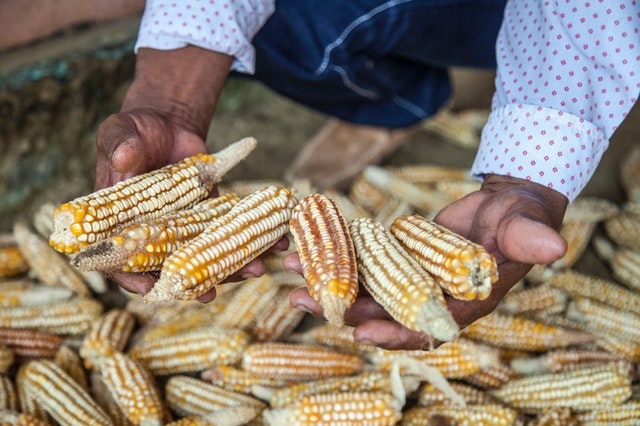
Maize is Kenya’s staple crop, but national yields average only ~2 t/ha (about 18 bags/acre) – far below its potential. In the fertile highlands (Kitale, Eldoret, Nyahururu and similar zones), well-managed fields can yield 4–8 t/ha. However, many farmers still harvest much less. A key reason is wrong seed choice. Each year, many smallholders plant varieties unsuited to their altitude or climate. As a result, they end up with poor harvests.
For example, using a lowland-adapted hybrid in highland Trans-Nzoia can lead to wilting or disease. Modern research (CIMMYT, KALRO, CGA) stresses buying seeds tailored to your zone. As one report warns, farmers who plant the wrong maize varieties in their regions often get low yields. In contrast, planting the best maize seeds in Kenya for your area can dramatically boost harvests.
| Agroecological Zone (AEZ) | Recommended Varieties | Yield (Bags/Acre) | Maturity (Days / Months) | Key Features |
|---|---|---|---|---|
| Highlands(>1,800 m) Trans Nzoia, Uasin Gishu, Nyandarua, Nyahururu | ADC 600-23A, KH600-14E, H614D, H6218, DK777, P3812W, Pannar 691 | 32–68 | 140–160 days / 6–9 months | Very high yield, disease resistance (rust, NCLB), MLN tolerance |
| Medium Altitude(1,200–1,800 m) Bungoma, Kakamega, Meru, Kiambu | H632, WE1101, H622, WH507, H516, DK8031 | 22–35 | 100–135 days / 6–8 months | MSV and MLN resistance, early maturity, adapts to moderate rainfall |
| Lowlands(0–1,200 m) Kilifi, Kwale, Taita Taveta | PH1, PH4, Pwani Hybrid 4, DK90-89, DH01 | 14–25 | 90–120 days / 3–4 months | Heat and drought tolerance, fast maturity, MLN resistance |
| Drylands (Semi-Arid) Machakos, Kitui, Makueni | KDV-1, KDV-4, Katumani Composite B, Sungura, Sawa, DH01, DH02, DH04 | 10–20 | 90–100 days / 3–4 months | Strong drought and low nitrogen tolerance, early maturing |
How to choose the Best Maize Seeds for your Farm
- Match seeds to your zone. Plant maize varieties that are developed for your altitude and rainfall. Highlands (e.g. Kitale, Eldoret, Nyahururu) need different varieties than Machakos or Kilifi. A one-size-fits-all approach will lead to losses.
- High-altitude winners: Using new hybrids can nearly double your yields. For example, ADC 600-23A (by ADC) yields about 43–68 bags/acre and tolerates rust and blight. Freshco’s KH600-15A yields ~33–47 bags and sheds its cobs to avoid rot. These “high-yield maize varieties” outperform older seeds by 10–40%.
- Mid-altitude choices: In Western and central Kenya (Bungoma, Kakamega, Kisii, Murang’a, Embu, etc.), hybrids like Western Seed’s WH507 (~35 bags/acre) and Freshco’s KH500-33A (35–40 bags/acre) are recommended. They mature in ~4 months, resist drought and key diseases (MSV, smut, blight), and are good for both grain and green maize.
- Dryland seeds: In arid east/coast (Machakos, Makueni, Kilifi, Kitui, Taita Taveta) use early-maturing, drought-tolerant varieties. KALRO’s new Ukamez-1 and Embu-537 (2024 releases) were bred for semi-arid areas. Open-pollinated options like Freshco’s KDV-1, KDV-6 or KSC’s DH01–DH04 are proven in 200–500 mm zones. These retain green leaf during dry spells.
- Certified seed is crucial. Always buy high-quality, verified seed from recognized agrodealers. Fake or uncertified seed is a serious problem.
Overview of Agroecological Zones in Kenya
Kenya’s AEZs are categorized based on climatic and geographic factors:
- Highlands (above 1,800 m): Cool, wet, with 800–1,500 mm rainfall, including areas like Kitale, Eldoret, and Nyahururu.
- Medium Altitude (1,200–1,800 m): Moderate rainfall (800–1,200 mm), found in Bungoma, Kakamega, and parts of Central Kenya.
- Lowlands (0–1,200 m): Warm, with erratic rainfall (500–800 mm), covering coastal areas like Kilifi and drylands like Machakos.
- Drylands (semi-arid): Low rainfall (200–500 mm), common in Eastern Kenya, such as Kitui and Makueni.
Top Maize Seeds for Highland Areas (Kitale, Eldoret, Nyahururu)
In Trans-Nzoia (Kitale) and Uasin Gishu (Eldoret) highlands, maize benefits from ample rainfall and cool nights. Here, hybrid varieties with strong stalks and heavy ears shine. ADC 600-23A (from ADC) routinely yields 43–68 bags/acre in trials. It produces two cobs on many plants and resists rust and leaf blight. Freshco’s KH600-14E is similar (45–50 bags/acre) and matures a week faster than older H614D varieties. East African Seed’s KH600-15A (33–47 bags/acre) also drops its mature cob to prevent rot and tolerates multiple diseases. Using these modern hybrids can boost a Kitale farmer’s yield by 20–40% over old seeds.
- ADC 600-23A (Agricultural Development Corporation): Yields 43-68 bags per acre, suitable for Trans Nzoia, Uasin Gishu, and other highland areas, known for high yield potential.
- KH600-14E (Freshco): Yields 45-50 bags per acre, matures 1 week earlier than H614D, offering flexibility for planting schedules.
- KH 600-15A (East African Seed): Yields 33-47 bags per acre, matures in 145-148 days, with good disease resistance.
- KH600–16A (Freshco): Yields 35-50 bags per acre, matures in 140-180 days, adaptable to diverse highland conditions.
- 600–15A (East African Seed): Yields 35-45 bags per acre, another reliable option for highland farmers.
- H614D, H6213, H629, H628 (Kenya Seed Company): Specific yields not detailed, but known for high performance in high altitudes, with resistance to northern corn leaf blight (NCLB) and rust.
- H 627, H 626, H 625, H614D (KALRO): Yields 32-42 bags per acre, maturing in 6-9 months, offering robust options for highland conditions.
Farmer Jane in Kitale notes: “Last season I tried ADC 600-23A on a small patch. It made two cobs on many plants and outyielded my usual seed by a third.” Such success aligns with CGA data showing double cobs and high yields for these varieties. In practice, highland farmers should look for these specific seed products. Contact certified seed companies or local agro-dealers for ADC 600-23A, KH600-14E, KH600-15A and similar hybrids (link to suppliers). Use fertilizer and good management to realize their full potential.
Best Maize varieties for Mid-Altitude Regions (Kakamega, Bungoma, Kisii, Murang’a, etc.)
Western and mid-altitude counties (e.g. Bungoma, Kakamega, Busia, Kisii, parts of Murang’a, Embu and Meru) receive moderate rainfall. Suitable maize varieties mature in 4–5 months and resist local pests. Western Seed Co.’s WH507 yields about 35 bags/acre. It has big cobs and stays green longer (ideal for both grain and baby corn). Freshco’s KH500-33A yields 35–40 bags, with strong stalks, large kernels and good husk cover. Both WH507 and KH500-33A resist Maize Streak Virus, smut and many leaf diseases. Another option is Western Seed’s WH505 (30 b/a), noted for drought tolerance and leaf disease resistance.
For example, John in Bungoma planted WH507 and says the crop survived a late dry spell without lodging. His neighbors in Kakamega similarly praise KH500-33A for its standability. These medium-altitude areas can also grow WH402/WH403 (30–40 b/a) with good husks. Farmers should get these seeds through regional distributors or KALRO outlets. Always ask for the latest recommended hybrids for your county.
- H632, WE1101, H622: Yield 22-24 bags per acre, maturing in 6-8 months, with resistance to maize streak virus (MSV) and blight, ideal for areas with 800–1,200 mm rainfall.
Best Maize seeds for Dry Lowlands and Eastern Counties (Machakos, Kilifi, Makueni, Kitui, Taita)
Eastern and coastal counties (Machakos, Kitui, Makueni, Kilifi, Taita Taveta) are semi-arid, with 200–500 mm annual rain. Plant dryland maize seeds bred for low moisture. KALRO’s latest Ukamez-1 and Embu-537 (released 2024) are built for drought tolerance and high yield. Other options include Kenya Seed Co’s DH01–DH04 and Freshco’s KDV-1, KDV-6 (OPVs) which mature in ~3–4 months. These varieties can survive heat and still produce 25–30 bags/acre under dry conditions.
Farmer Musa in Machakos reports that KDV-1 stayed green two weeks longer than his old seed during a dry spell. In very dry sub-counties of Machakos or Kilifi, guaranteed drought-tolerance varieties like UKAMEZ or DT-certified seed are best. For fields infested by Striga weed, try Freshco’s FRC 425R (30–35 b/a) or Western’s WH303. As always, plant early with good spacing and top up nutrients to get the most from these seeds.
Where to Buy Certified Seed
- Certified suppliers: Only buy from reputable seed companies or agro-dealers. (Local supplier links to be added.)
- Test before scaling: KALRO and CGA advise planting a small trial plot of any new seed on your farm before committing the whole field.
- Avoid counterfeits: Watch out for fake seed in open markets. Always check for an official label and proper packaging (KALRO warns against counterfeit seeds flooding the market).
Conclusion
Selecting the right maize seeds for your location is crucial. It is one of the most powerful ways Kenyan farmers can increase yield. It also enhances resilience. By planting the best maize seeds in Kenya for your zone, a smallholder can select high-yield hybrids in Kitale’s highlands. Alternatively, they can choose drought-tolerant varieties in Machakos. This approach allows a smallholder to add tens of bags to each harvest. Research-backed varieties (from KALRO, CIMMYT/WEMA, seed companies) now offer 20–50% higher yields than old seeds. Always source certified seed and follow local extension advice. With the right variety on the right farm, farmers from Eldoret to Kilifi can help Kenya close its maize yield gap. They can also build a more food-secure future.