Are you wondering what are the effects of flood on agriculture? In this post, we discuss the positive and negative impact of perennial floods on Kenya’s farming, yields, income, and food prices.
The negative impact of floods on agriculture can affect individuals, businesses, and the economy. It includes the loss of animals, crops, and property. The positive impact of floods on farming includes water harvesting, replenishing soil nutrients in flood plains, and restoring ecological balance in flood plains and swampy areas.
Each of these is further discussed.
Negative flood impact on agriculture in Kenya
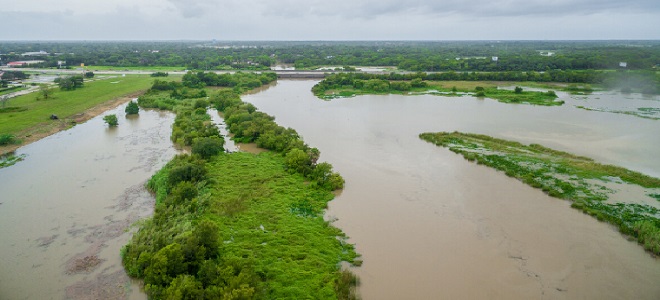
Floods are among the most expensive natural calamities. The impact of floods on agriculture can take decades to recover. They include damage to crops, livestock, and property.
Effects of floods on livestock farming
The effects of floods on animal’s health, growth, and productivity are massive. They cause feed shortage, and dehydration, and increase the risk of infections. This affects the yields of animal-source foods such as milk, meat, and eggs. Managing disease outbreaks is also expensive for farmers.
- Pasture: Flooded areas damage to pasture. Ranchers have to seek alternative fodder on the quick run. Besides, floods can damage stored animal feed through mold toxicity. This poisoning can cause animal death or long-term chronic illness.
- Dehydration: Floods can lead to dry water taps and animal dehydration. They contaminate water sources with dirty water and block pipes. Animals will have an inadequate supply of drinking water and may end up suffering from dehydration.
- Stress, diseases, and pests: Livestock exposed to floods is likely to suffer from stress, diseases, and pests. Cows, goats, and sheep are likely to suffer from pneumonia and diarrhea after long exposure to cold. Parasites like worm larvae are likely to survive much longer in wetter conditions. Cattle may get bloated after feeding on lush vegetation such as Lucerne or clover. Farm animals may suffer from foot problems after heavy rainfall and floods. They damage their hooves after immersion, walking, and standing for long hours on wet and muddy grounds.
Effects of floods on crop farming
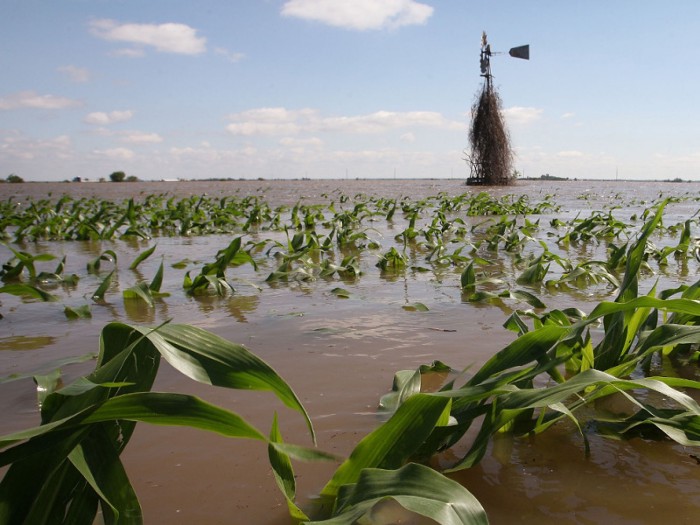
Floods can cause low yields for crop farmers during and after floods. These arise from inundation, submerging, erosion, and waterlogging. There are losses in crops washed down by inundation.
- Submerging: It arises from the drowning of thousands of acres of food and cash crops. Others are washed away, submerged, and destroyed.
- Soil erosion: farms lose crop yields to soil erosion of fertile layers of the soil rendering it less fruitful. It will cause poor harvests and increased costs of farming.
- Water logging: Flooded farms cause water-logging conditions. Water logging on crops’ roots causes them to fail to respire as anaerobic conditions set in. Besides, flooding Beneficial microbes in the soils die and anaerobic organisms take over and produce toxic byproducts that may further kill the crops.
Effects of floods on fish farming
What are the negative impacts of floods on the fishing sector? Floods sweep away fish from rivers, dams, and ponds into the full flow of the flood. This will harm fish populations.
Effects of flood farmers’ lives and health
Floods cause loss of life, displacement of people, and mental distress among farmers, workers, and their families.
- Displacement: Some of the worst-hit flood areas in Kenya are Budalangi and Nyando both in the Lake Victoria basin. Others are Baringo and Turkana counties. In mountainous areas like Murang’a counties, floods and mudslides have displaced many Kenyans. During displacement, people suffer from a lack of clean water, food, shelter, and hygiene amenities.
- Mental distress: Displaced people by floods are likely to suffer from mental health issues like Post-traumatic stress disorder (PTSD). This anxiety disorder is caused by very stressful, frightening, and distressing events. This condition can last for months or years. The aftermath of floods like resettling, rebuilding, and loss of livelihoods also causes distress. The overall effect is a loss of key employees to manage investments and farms professionally.
Effects on food prices
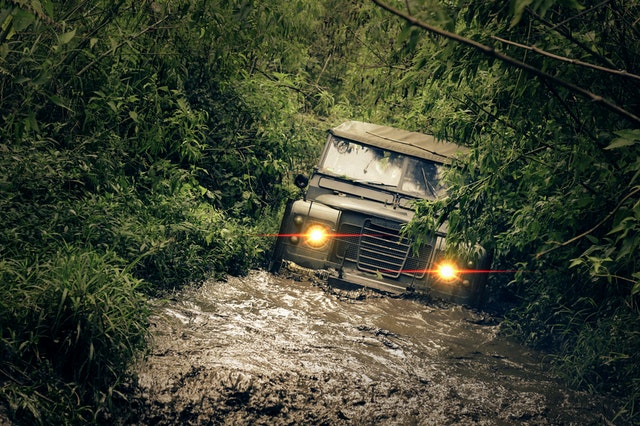
Heavy rains interrupt the distribution and prices of food from farms to markets. It arises from transport emergencies and low processing. Farmers and food traders incur higher costs to produce and sell They pass this to final consumers driving food prices up.
- Transport emergencies: Floods, landslides, and mudslides wash away or submerge roads and bridges cutting transport. Food trucks may get stuck delaying supplies of fresh farm products in the market.
- Low Processing: Floods disrupt the supply of clean water and electricity supply affecting food processing and distribution. The effect is a shortage in markets.
Effects of flood on agriculture funding
Floods destroy farm structures like cow pens, poultry sheds, irrigation kits, and greenhouses. Others like processing plants, milk coolers, and food markets are rendered useless for interminable periods. This affects farms’ and firms’ production capacity resulting in supply shortages
Recovering from flooding is expensive. It will reduce the funds available for investing in modern farming and processing projects. It will eventually lead to poor yields, and limited capacity to use harvests. Farmers may report huge incidences of post-harvest losses.
Effects on soil fertility
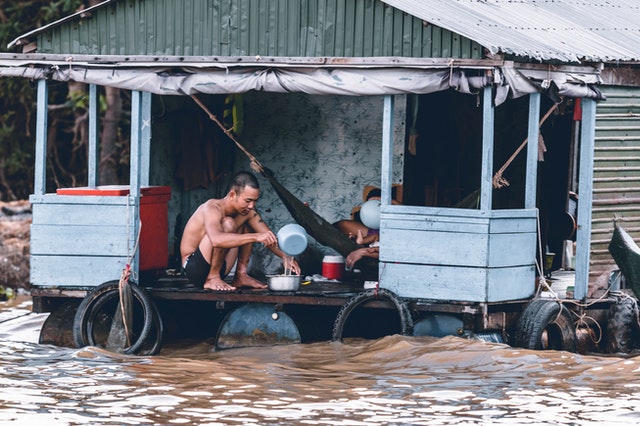
When floods occur, water erosion happens carrying silt & sediments from the highlands to the lowlands. The silt and sediments are deposited on water bodies like valleys, rivers, or dams. It will eventually reduce the water holding capacity of the dams leading to more floods and overflow of those water bodies. This has been the case with the fast-rising water levels or swelling of most lakes in Kenya’s Rift Valley like Lake Baringo and Lake Bogoria.
Positive Effects of Floods in Africa
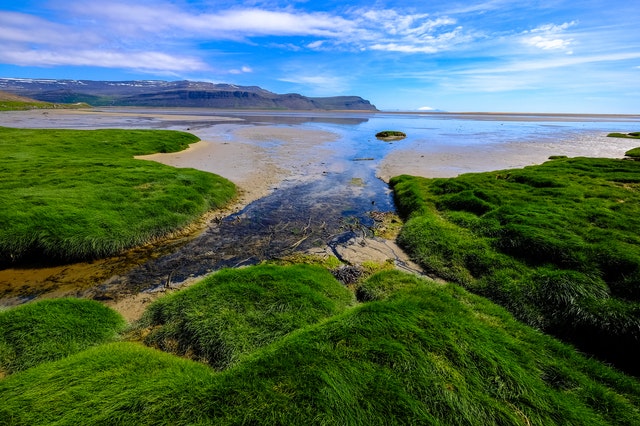
Though floods can be devastating, they have a positive impact on agriculture and income. They help in depositing soil nutrients, water harvesting, restoring river ecosystems, and fishing.
- Water harvesting: Floods are the natural way of pumping water into natural and man-made water storage. These include; ponds, reservoirs, dams, irrigation channels, and lakes like the Seven Forks dams. This water is used for many months for drinking, irrigation, and hydroelectric power generation until the next rainy season.
- Deposit soil nutrients: Floodwaters carry soil nutrients and sediments from highlands. These are deposited on floodplains. These sediments replenish nutrients in topsoil and make farmlands on flood plains more fertile.
- Renew river ecosystems: periodic flooding on wetlands, swamps, and flood plains helps in the restoration of an ecological balance especially in arid areas. This is essential for healthy fish, wildlife, birds, and crops. Floods provide clean water, affect air quality, and promote community livelihoods through recreational and eco-tourism activities like fishing.
- Fishing: Flooding on slow-moving rivers increases the available plankton and the size of the spawning area. These are beneficial in supplying fish and other alternative income sources for fishing folk in the floodplains.
Read Next: How to prevent floods on your farm