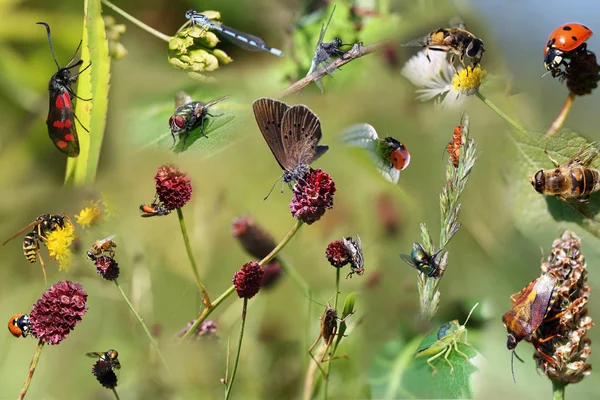
Have you ever stepped into your garden and spotted insects and worms crawling among your plants and pants? Your first instinct is to grab a pesticide or run for cover. But hold on! Not all insects harm your crops, actually, some insects and worms are among your best allies. In fact, your garden is a complex ecosystem with various organisms playing different roles. Knowing which creatures to welcome and which ones to guard against can make the difference between a flourishing garden and one that struggles to survive.
In this comprehensive guide, we’ll break down the world of garden insects and worms, classifying them as friends (beneficial) or enemies (harmful). We’ll also show you how to attract the helpful critters and naturally deter the harmful ones, keeping your garden healthy without resorting to harmful chemicals.
Why Insects and Worms Matter in the Garden Ecosystem
Your garden is much more than just a space for growing plants; it’s a miniature ecosystem where various organisms interact with one another. Worms and insects play vital roles in this system—some of them help your garden thrive, while others can cause significant damage if left unchecked.
- Beneficial Insects: These are the “friends” that help pollinate flowers, break down organic matter, or prey on harmful insects. Without them, your plants would struggle to grow, and your garden could become overrun by pests.
- Harmful Insects: These are the “enemies” that feed on your plants, lay eggs that turn into destructive larvae, or spread diseases. While a few of these pests may not cause much damage, large infestations can be devastating.
- Worms: Earthworms, in particular, are vital for maintaining healthy soil by aerating it and breaking down organic material into nutrients that plants can absorb. However, some worm species, like cutworms, can cause damage to your plants.
Let’s dive deeper into these categories to see which insects and worms are beneficial and which ones you should be on the lookout for.
The Friends: Beneficial Insects and Worms
Beneficial insects and worms are essential for any thriving garden. They improve the soil, pollinate flowers, and keep harmful pests in check.
1. Earthworms
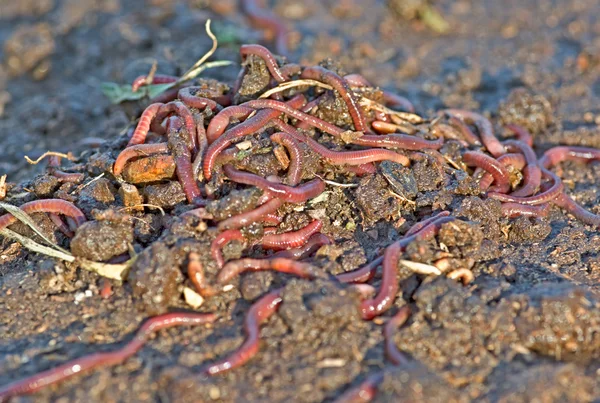
Earthworms are a gardener’s best friend. They aerate the soil, making it easier for plant roots to access air and water. As they burrow, they also break down organic material into nutrient-rich castings (worm poop), which acts as a natural fertilizer.
- Earthworm Benefits on your garden
- Aerates and loosens soil
- Breaks down organic matter
- Enriches soil with nutrients
- Increases water retention in soil
To attract earthworms in your garden
- Compost regularly, as earthworms love organic matter.
- Avoid over-tilling your soil, which can disrupt their habitat.
- Use organic mulches like straw or grass clippings to create an earthworm-friendly environment.
2. Ladybugs
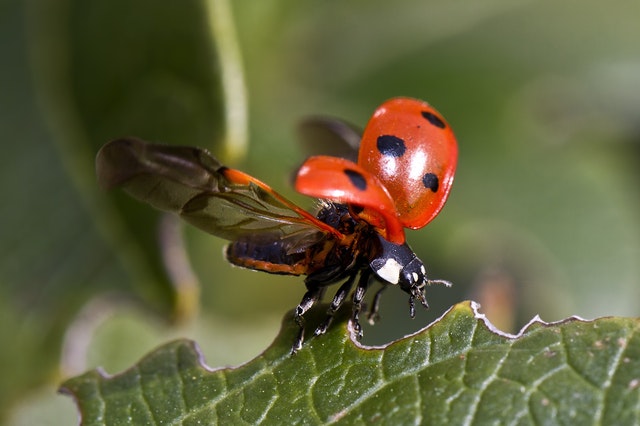
Ladybugs are among the most beloved garden insects—and for a good reason! These colorful beetles are voracious predators of aphids, whiteflies, and other soft-bodied pests that can decimate your plants. Both adult ladybugs and their larvae feed on these harmful pests, making them excellent natural pest control.
- The Benefits of Ladybugs on your farm
- Predates on aphids, mites, and scale insects
- Protects plants from damage caused by sap-sucking pests
How to attract ladybugs on your garden
- Plant flowers like marigolds, dill, and cilantro, which provide nectar for ladybugs.
- Avoid using pesticides, as they can harm ladybugs and other beneficial insects.
- Provide shallow water sources in your garden to keep them hydrated.
3. Bees
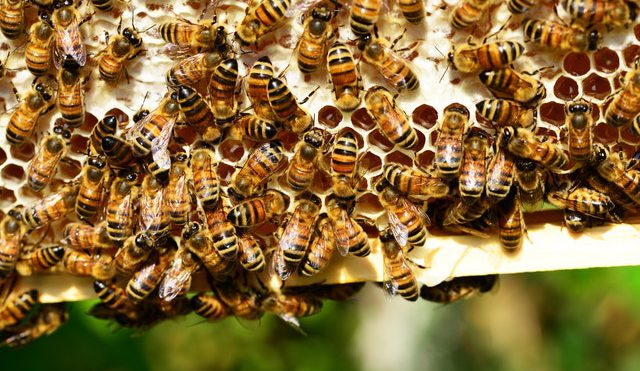
Bees are essential for pollinating flowers, fruits, and vegetables. Without them, plants like tomatoes, cucumbers, and berries would struggle to produce. Both honeybees and native bee species play a crucial role in transferring pollen from flower to flower, enabling plants to produce seeds and fruit.
- Benefits of Bees on your Farm
- Pollinates flowers, fruits, and vegetables
- Increases crop yield
To attract more bees in your orchard
- Plant a variety of flowers that bloom at different times of the year.
- Avoid pesticides that harm bees.
- Provide shelter, such as bee hotels or undisturbed areas where ground-nesting bees can thrive.
4. Lacewings
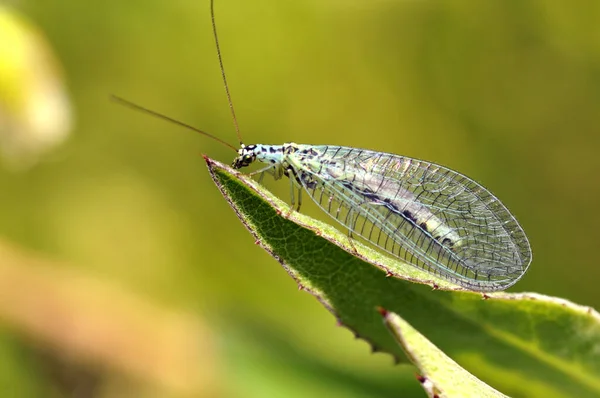
Lacewings are delicate, green insects that pack a powerful punch in pest control. Their larvae, known as “aphid lions,” are fierce predators of aphids, caterpillars, mites, and other soft-bodied pests.
- Benefits of Lacewings on your farm
- Feeds on aphids, thrips, and caterpillars
- Helps control pest populations
To attract lacewings in your garden
- Plant flowers that provide nectar, such as dandelions, dill, and yarrow.
- Offer lacewing larvae a hospitable environment by using organic mulch.
5. Hoverflies
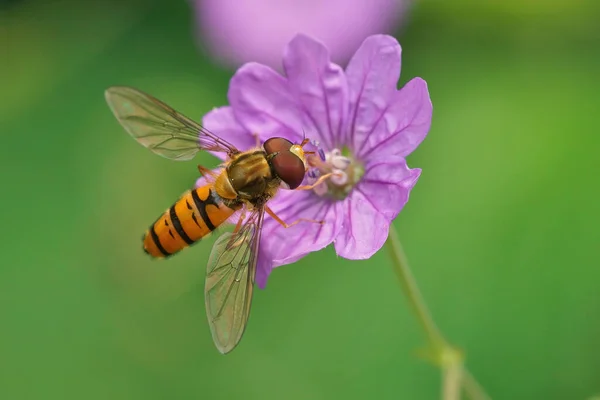
Hoverflies may resemble small bees or wasps, but they’re harmless to humans and a big help to your garden. Not only do they act as pollinators, but their larvae also consume large quantities of aphids and other pests.
- Benefits of hoverflies on your farms
- Pollinates flowers
- Predates on aphids, caterpillars, and thrips
How to attract hoverflies in your garden
- Grow nectar-rich flowers like daisies, sunflowers, and alyssum.
- Create a diverse garden with a variety of blooming plants to provide food throughout the growing season.
6. Spiders
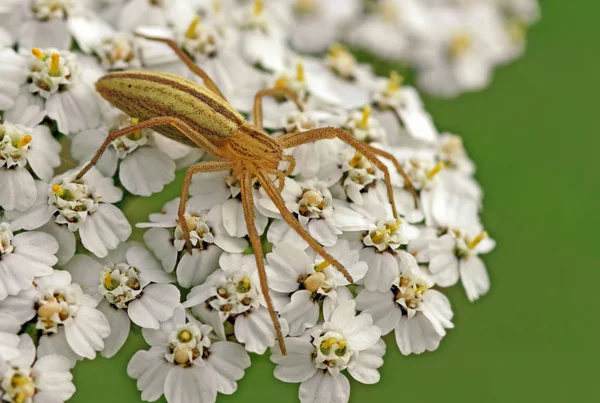
While spiders might send a chill down your spine, they are one of the most effective natural predators in your garden. Spiders feed on a variety of pests, including flies, mosquitoes, and aphids, making them valuable allies in pest control.
- Benefits:
- Feeds on a wide range of pests, including insects and larvae
- Helps maintain a balanced ecosystem
To encourage spiders:
- Avoid using pesticides, as they can harm beneficial spider populations.
- Create shelter with mulch, rocks, and dense plants where spiders can set up webs.
The Enemies: Harmful Insects and Worms
While some insects and worms work hard to support your garden, others can cause significant damage. Here are some common pests to watch out for and how to manage them naturally.
1. Aphids
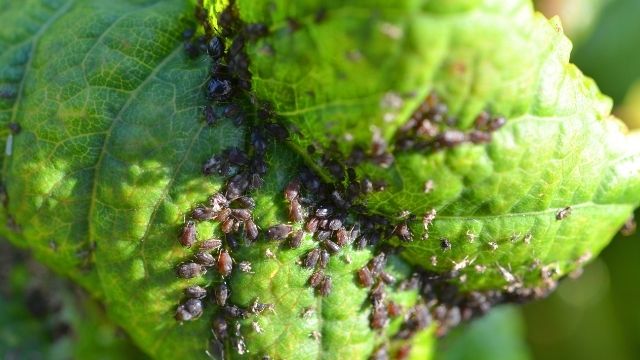
Aphids are tiny, soft-bodied insects that suck the sap from plant leaves and stems, causing yellowing, curling, and stunted growth. They can reproduce quickly, leading to large infestations if not managed early.
- Damage:
- Sucks plant sap, causing wilting and yellowing
- Spreads diseases between plants
How to Control Aphids on Your Farm:
- Introduce ladybugs or lacewings, which feed on aphids.
- Use a strong stream of water to knock aphids off plants.
- Apply neem oil or insecticidal soap to affected areas.
2. Caterpillars
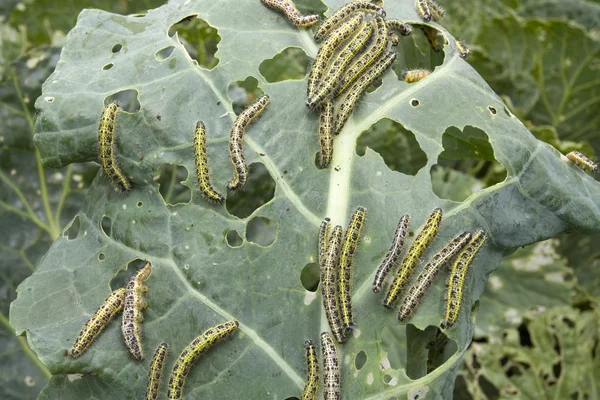
Caterpillars can be one of the most destructive garden pests, as they voraciously consume leaves, leaving plants weak and vulnerable.
- Damage:
- Chews through leaves, flowers, and stems
- Can defoliate entire plants if left unchecked
How to Control Caterpillars:
- Handpick caterpillars off plants.
- Attract natural predators like birds or parasitic wasps.
- Use Bacillus thuringiensis (Bt), a natural bacteria that targets caterpillars.
3. Slugs and Snails
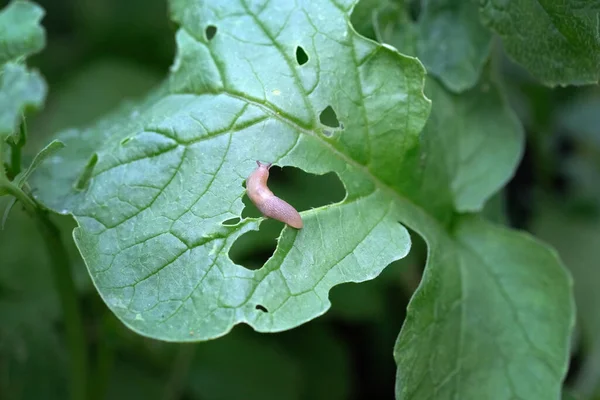
Slugs and snails come out at night to feast on tender seedlings and leafy greens. They can quickly decimate young plants, leaving behind ragged holes and slime trails.
- Damage:
- Eats leaves, stems, and seedlings
- Leaves slime trails on plants and soil
Natural Control:
- Place copper tape or diatomaceous earth around plants to deter slugs and snails.
- Handpick slugs and snails at night.
- Set up beer traps to attract and drown them.
4. Whiteflies
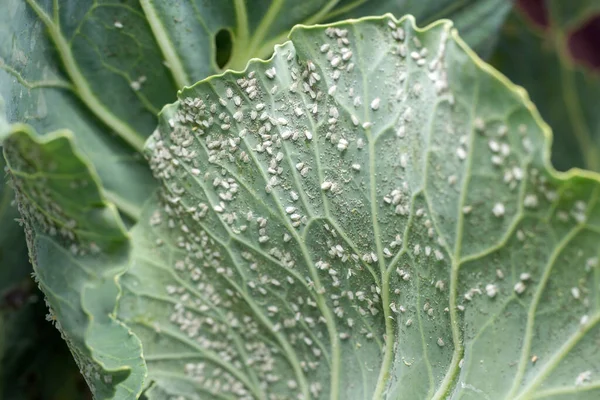
Whiteflies are small, flying insects that feed on the underside of plant leaves. Like aphids, they suck sap from plants, weakening them and leaving them more susceptible to disease.
- Damage:
- Sucks sap from leaves, causing yellowing and wilting
- Secretes honeydew, which can lead to sooty mold
Natural Control:
- Introduce natural predators like ladybugs and lacewings.
- Use yellow sticky traps to catch adult whiteflies.
- Spray with insecticidal soap or neem oil.
5. Cutworms
Cutworms are caterpillars that live in the soil and feed on young seedlings, often cutting them down at the base.
- Damage:
- Cuts seedlings at the base, killing them
- Feeds on roots and stems
Natural Control:
- Place collars made from cardboard or toilet paper rolls around seedlings.
- Till the soil before planting to disrupt cutworm larvae.
- Introduce nematodes, microscopic worms that target cutworms.
Creating a Balanced Garden Ecosystem
A thriving garden relies on a balance of beneficial insects and natural pest control methods. While you want to keep harmful pests in check, it’s equally important to encourage the presence of beneficial insects and worms.
Here are some tips to help you create a balanced ecosystem:
- Plant Diversity: Grow a variety of plants that flower at different times. This will attract different beneficial insects throughout the growing season.
- Companion Planting: Use companion planting techniques to naturally repel pests. For example, planting marigolds can deter nematodes and aphids.
- Mulching: Use organic mulch to retain moisture and provide a habitat for beneficial organisms like earthworms.
- Regular Monitoring: Regularly inspect your plants for signs of pest infestations. Early detection can prevent larger problems down the line.
- Avoid Chemicals: Limit the use of synthetic pesticides and fertilizers that can harm beneficial insects. Instead, opt for organic options.
- Encourage Natural Predators: Allow some weeds or wildflowers to grow in your garden to provide food and shelter for beneficial insects.
Conclusion: Embrace Your Garden’s Inhabitants
Understanding the roles of insects and worms in your garden is essential for cultivating a healthy and productive environment. By recognizing the difference between friends and enemies, you can develop strategies to protect your plants while fostering a balanced ecosystem.
The next time you see insects and worms in your garden, take a moment to observe their behavior before reaching for the pesticide. Embrace the beneficial creatures that contribute to your garden’s health and be vigilant against those that threaten it. With knowledge and care, you can create a thriving garden that supports both plants and the diverse wildlife that calls it home.
By focusing on natural pest control and welcoming beneficial insects and worms, you’ll not only enhance your garden’s resilience but also contribute to the overall health of your local ecosystem. Happy gardening!