Are you looking at forestry or timber-related businesses in Kenya as a possible investment?
The basic business opportunities such as growing trees, processing timber, making furniture is still profitable. But, that’s just the beginning. This guide shows you exactly where the money sits. It tells you which entry point matches your capital. And it explains the real constraints you will hit.
It incorporates feedback from timber operators, furniture makers, and farmers in across Kenya.
Is there a market for Forest and Tree Products in Kenya?
Kenya currently meets less than 10% of industrial wood demand. This isn’t speculation. It’s observable fact. The rising demand is driven by various factors such:
- Housing and construction growth such as the affordable housing programs
- Infrastructure expansion (electricity poles)
- Furniture manufacturing
- Charcoal and wood fuel consumption;
But here’s where is your opportunity? Kenya doesn’t produce enough wood and its products. She still imports finished furniture, engineered wood (plywood, MDF) and other processed goods including pencils, toothpicks and chopsticks.
That gap is where profit sits. Not only in growing more trees necessarily, but in the entire supply chain like value addition.
This post will explore these opportunities showing where you should focus your capital.
Which is the Best Forestry Business in Kenya
The sector currently contributes about 3.6% of Kenya’s GDP and generates more than KSh 20 billion annually. However, it is considered to be largely underdeveloped. There are goals to grow forest cover to 1.2 million hectares by planting 15 billion new trees. KSh 137 billion in GDP by 2050.
Forestry isn’t a single business. It’s multiple businesses stacked on top of each other. This creates multiple entry points for you, not just one. Some businesses are straightforward. Some are niche. Some are just emerging. This guide maps the whole landscape—the core value chain, the adjacent opportunities, the faster-cash plays, and the forward-looking bets. We’ve worked with operators across this spectrum. Here’s what actually works.
Growing More Trees
You will supply seedlings, or plants trees. wait. Harvest.
A seedling costs KSh 200. After ten years, it sells for over KSh 8,000. That’s a return, spread over a decade, of 3–8% annually. This is wealth building. It’s not cash flow generation.
There are many operational constraints in this model. Poor spacing reduces tree survival and growth rates. Poor market timing or bad management practises can destroy your returns at scale.
But there are many emerging trends such as smallholder integration. Platforms like Furaha and Baraka Farms now coordinate thousands of small farmers, managing inputs and harvesting collectively. This is smarter than old plantation models. It distributes risk. It creates scale.
There is a robust Government support in which it targets to grow 15 billion new trees, largely through smallholder adoption. This creates opportunity for:
- Aggregation platforms (coordinate farmers, manage inputs, arrange harvesting)
- Seedling suppliers (provide quality stock to farmers)
- Technical service providers (help farmers maximize survival and growth rates)
If you’re good at operations and farmer relationships, this layer works. If you need quick cash, move to the next layer.
Wood Processing
You will invest in turning raw logs to sawn timber, treated poles and engineered wood products.
This is where the bottleneck lives. Kenya has raw material but inadequate processing capacity. This imbalance creates pricing power for anyone who can process efficiently.
- A sawmill will converts logs into boards. Simple.
- A kiln dries those boards properly (to 6–9% moisture, which is what construction actually requires).
- A treatment facility takes poles and makes them resistant to rot and insects.
- Engineered wood facilities turn lower-grade timber into plywood or MDF that construction can standardize on.
Each of these steps adds 20–50% to the value of the material. A raw log worth KSh 100 becomes KSh 120–150 in sawn timber. Properly dried timber commands even more. Treated poles go for 30–50% premiums over raw poles.
The key entry barrier is huge capital requirements. A basic sawmill, a kiln, and a treatment facility will costs you KSh 5.5–7.7 million. These costs are for licensing, buying equipment and operations.
on the positive side, this investment is profitable from th short term period. After buying raw material, processing it, and selling you can start making money within months. Cash flow is faster. Margins are thicker.
Furniture Manufacturing
You will process timber into finished furniture like chairs, tables, desks, and cabinets. Manufacturing is the most profitable opportunity in the entire forestry value chain.
Processing 1 cubic metre of raw timber into finished furniture can add US$44–271 in local value (depending on product and market). When you’re selling finished goods, you’re not competing on material cost. You’re competing on quality, design, delivery, and relationship. These are advantages local manufacturers should have over imports.
To gain competitive advantage focus on;
- Consistency in quality.
- Consistent supply.
- Reliable delivery.
- Design that works for institutional buyers.
The capital requirement is higher (KSh 8–15M+ for mechanized production), and the complexity is real. You need supply consistency. You need skilled labor. You need to manage production systems. But the margins of 40–60% on finished goods justify it.
The timeline is faster than processing but more complex operationally. You’re not just converting raw material. You’re building systems. It takes longer to get right. But once you do, it scales.
Non-Timber Products
There’s another whole category most people ignore: forest products that aren’t timber. The most profitable non forest and timber products (NFTPs) in Kenya include;
- Honey from apiaries in forested land.
- Bamboo that grows naturally in certain regions.
- Medicinal plants.
- Gums and resins.
- Indigenous fruits.
Most forested land has these products available. Your opportunity is aggregation and processing. Raw honey sells cheap. Processed, packaged, branded honey sells at premium prices. The same logic applies to medicinal plants, bamboo, and everything else.
If you can organize smallholder producers (who already produce these things), aggregate their output, process it, package it, and sell it to buyers who value quality, the margins are excellent. Often 200–400% better than raw material sales.
The capital requirement is low compared to sawmilling. The timeline is fast—you can be generating revenue within 6–12 months. The downside is that the market is smaller and more niche. But if you understand a specific NTFP well and have networks with producers, this works.
Best Niche Markets for Forestry Businesses in Kenya
Beyond the core timber chain, there are many businesses that leverage the forestry sector but operate differently. These offer faster cash flow or serve specific markets.
Agroforestry (Fruits, Nuts, and High-Value Crops)
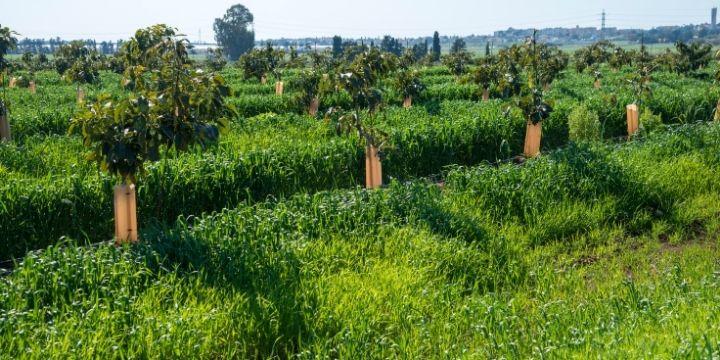
Trees don’t just produce timber. They produce other profitable producuts like fruit. Nuts. Shade for crops.
Kenya currently earns KSh 21.9 billion from agroforestry exports (avocado, macadamia, mango). The import deficit for products that could be grown locally is KSh 101.9 billion. That gap is opportunity.
The Government’s BETA strategy aims to establish five million acres of agroforestry woodlots. This creates demand for expertise and for actual products.
If you have land and understand fruit production, you can:
- Grow export-grade fruits. Avocado. Macadamia. Mango. These have proven markets. They generate cash while you wait for timber to mature. Many agroforestry systems take 5–8 years before timber output, but fruit starts generating revenue in year 2–3.
- Integrate livestock. Plant fodder trees like Calliandra or Leucaena. Use them to feed dairy cattle or goats. Fodder trees provide protein-rich nutrition that boosts milk production and meat quality. In dryland regions, this is drought resilience. In high-potential areas, it’s productivity enhancement.
The capital requirement varies. A small agroforestry plot (1–2 acres with fruit and fodder trees) costs KSh 200K–500K to establish and manage for three years. Larger commercial operations cost more but generate higher returns.
The timeline is faster than pure timber. Fruit and milk revenue start within 2–3 years. Timber becomes a bonus at year 7–10.
Niche Wood Manufacturing Beyond Furniture
While large-scale furniture is the standard target, there’s money in smaller, high-value products.
Artisan and specialty products: Children’s toys. Custom cabinetry. Woodturned bowls and vases. Live-edge furniture. Decorative home accessories. Wall art. Picture frames.
These products use smaller wood dimensions, exactly what smallholder farmers produce. They’re not competing on price with industrial furniture. They’re competing on uniqueness and quality.
Kenya lacks branded, high-quality local manufacturers in this space. Most consumers buy generic plastic or imported wooden alternatives. An operator who establishes a brand in artisan wood products has room to build premium margins.
The capital requirement is low (KSh 500K–2M for tools and setup). The timeline to revenue is fast (3–6 months). The challenge is market access and brand building.
This works well if you have design taste and access to tourists or upscale domestic customers.
Essential Oils and Aromatic Extracts
Trees wood, leaves and resins contain profitable chemical and medicinal compounds.
Eucalyptus. Sandalwood. Neem and other species contain oils used in pharmaceuticals, perfumes, and aromatherapy. These markets are global and growing.
Kenya’s potential for high-value extractives is largely untapped. Most of what we harvest gets exported as raw material. Value-added processing happens overseas.
An extraction plant can change this. You will buy raw leaves or resins from smallholder farmers or your own land. You extract oils. You sell to pharmaceutical and cosmetic companies. Margins are excellent because you’re selling processed products, not raw material.
The capital requirement is medium (KSh 2–5M for basic extraction equipment and licensing). The timeline to revenue is fast (4–8 months). The challenge is regulatory compliance and finding buyers.
This works if you can navigate environmental permits and build buyer relationships.
Commercial Bamboo Processing
Bamboo is specifically highlighted by the Government as priority “green gold” with massive end-use diversity.
The Government aims to establish 50,000 hectares of commercial bamboo. This creates massive demand for processing facilities.
You can process bamboo into:
- Boards and flooring (construction material)
- Charcoal (energy; strong market)
- Textiles (fabric production)
- Paper pulp (industrial use)
Each has different capital requirements and markets. Bamboo charcoal is the fastest to market (less than a year). Bamboo boards and flooring take longer but command higher prices.
The capital requirement ranges from KSh 1–5M depending on the processing type. The timeline to revenue is 6–18 months. The constraint is consistent bamboo supply.
This works if you can secure steady bamboo sourcing and identify your specific end market.
Gums, Resins, and Dryland Products
Tree growing in dry areas is an untapped profits making machine away from traditional forests.
They include Gum Arabic (from Acacia senegal), Myrrh (from Commiphora) and Aloe latex (from Aloe Vera). These are essential stabilizers in the global food and beverage industry.
Currently, these value chains are mostly informal. Farmers get paid very little. Middlemen capture most margin. Price information is asymmetric. Infrastructure is poor.
As an entrepreneur who aggregates and processes these materials you can capture significant margin. You will buy from smallholder farmers at fair prices. You process (gum extraction, cleaning, grading). You sell to global buyers who value consistency and quality.
The capital requirement is low to medium (KSh 500K–2M for basic processing and storage). The timeline to revenue is fast (6–12 months). The constraint is farmer relationships and buyer networks.
This works if you have networks in ASAL regions and can build relationships with international buyers.
Sericulture: Silk Production
Integrating insects with trees represents a high-value, low-land-requirement business model.
Silkworms are raised on mulberry trees planted in agroforestry configurations. Silk is a luxury commodity with high export value. It provides quick cash flow compared to the 10-year wait for timber.
The capital requirement is low to medium (KSh 1–3M to establish a sericulture operation). The timeline to revenue is fast (8–12 months). The constraint is technical knowledge and buyer access.
This works if you can learn sericulture techniques and access premium silk markets.
Emerging Opportunities in Kenya’s Forest Sector
Beyond the established business models, new opportunities are emerging as the sector professionalizes and as global policy shifts. the list below lists some of the best you can consider.
Seedling Certification and Quality Testing
As the forestry sector professionalizes, “any seedling” will no longer be enough.
The Government is pushing for one billion high-quality seedlings. As this scales, certified tree nurseries will command premium prices over uncertified ones. Farmers have realized they need verified germplasm—seeds of known origin and quality.
You can start a private seedling certification or genetic testing laboratory. You verify the quality and origin of germplasm for commercial growers. As demand for certified seeds rises, your business becomes essential infrastructure.
The capital requirement is medium (KSh 2–4M for lab equipment and setup). The timeline to profitability is 12–18 months. The constraint is regulatory approval and building relationships with nurseries.
This works if you have scientific knowledge or can hire it, and if you can navigate regulatory approval.
Silvicultural Management Services
Many private landowners want to grow trees but lack technical expertise to maximize their investment.
A silviculture-as-a-service firm provides professional site preparation, species-site matching, pruning, thinning, and fire management for a fee or a share of final harvest.
Proper management can more than double the productivity of a plantation. A poorly managed woodlot generates KSh 100K per hectare. A well-managed one generates KSh 250K+ per hectare. Landowners pay for that difference.
The capital requirement is low (KSh 200K–1M for tools and training). The timeline to revenue is fast (they pay as you work). The constraint is building a reputation and client base.
This works if you have forestry knowledge and can market your services to landowners.
Dendro-Power and Industrial Bioenergy
As industries shift away from fossil fuels, demand for sustainable, high-energy wood fuel is rising.
Industrial operations (tea factories, textile mills, cement plants) consume enormous amounts of energy. Currently, they use diesel or coal. Dendro-power plants and high-efficiency bioenergy products (industrial briquettes, bio-chars) offer sustainable alternatives.
Industrial fuelwood demand is projected to rise to 80 million cubic meters per year by 2050.
You can establish dendro-power plants or supply industrial briquettes to heat-intensive industries. The capital requirement is high (KSh 10M+) but so are returns. The timeline to revenue is 12–24 months.
This works if you can secure fuel supply and identify industrial buyers willing to switch fuels.
Carbon Credits and Climate Finance
With the Climate Change (Amendment) Act 2023, Kenya created a structured environment for carbon trading.
Land-based projects like afforestation and agroforestry generate carbon credits. The law requires these projects to share at least 40% of aggregate earnings with host communities.
An entrepreneur becomes a carbon project developer. You aggregate smallholder farmers into a single carbon block. You help them implement sustainable practices. You sell the generated credits to international buyers. You manage the supply chain and compliance.
The capital requirement is low to medium (KSh 1–3M for initial aggregation and certification). The timeline to revenue is 12–24 months (certification takes time). The constraint is navigating international carbon markets.
This works if you can understand carbon accounting and build relationships with international buyers.
Which is the best forest business to start in Kenya?
What Forestry Opportunity Fits Your Capital?
Slide to explore opportunities matched to your budget
Low Capital Opportunities
Pro tip: Start with your expertise
Whatever capital you have, choose an opportunity you already understand. Your existing knowledge is your biggest competitive advantage.
Before you invest:
- ✓ Talk to 3+ suppliers of your raw material
- ✓ Talk to 3+ potential buyers of your product
- ✓ Get actual equipment and labor quotes for your region
- ✓ Build a financial model a bank would believe