Are you wondering how profitable is a cereals business in Kenya? As a grain trader, your will make money byt trading in dry foods such as maize, bean, rice and lentils. Your main operations are to to buy, store, dry, re-bag, and transport them at a profit.
In this free guide, we give you a step-by-step method on how to establish and run a successful cereals business in any of Kenya’s big towns such as Nairobi, Kisumu, or Mombasa. By following it, you can be able to write a cereals business plan, budget, source products, launch your shop, and manage it as a pro.
Table of Contents-Jump to Section
- The best business model for a cereals business in kenya
- How to start a cereals business in Kenya
- Challenges Facing Cereal Businesses in Kenya
- FAQs on Cereal Business in Kenya
The best business model for a cereals business in kenya
The business model will explain the four key parts of your cereals shop business plan namely; Who: (target consumers), What: (value proposition) How: (value chain), and Why: (revenue model)
cereals Business Business Model by samuelHow to start a cereals business in Kenya
1. Conduct Cereals business Market study
The cereals market research will help you to explore and understand the market dynamics of your cereals market, such as volume and value, potential customer segments, buying patterns, competition, etc.
The first step, the market and feasibility analysis is to identify target consumers, products, suppliers, and business locations. You can carry out one on your own or hire (recommended) an agribusiness consultant like agcenture for professional insights. The questions to answer include
Target consumers
You can sell your cereal products under B2C (retail) or B2B (wholesale) models. The key buyers of grains and cereals in Kenya under B2C are individual or final consumers and institutional ones like boarding schools and hospitals. In the B2B model, you will target other grain traders or brokers maize millers, and restaurants.
Products
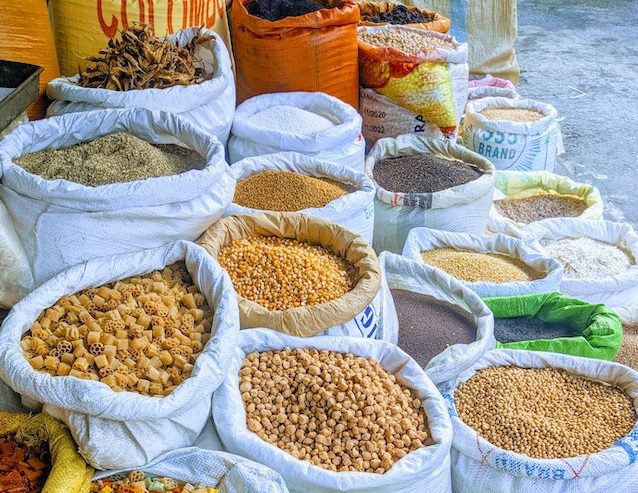
as illustrated below a grain store can stock different brands and varieties of whole grains and pulses, flour, and dried cassava. To settle for the best research into the consumer preferences, the buying and selling prices to get your profits projections.
| Product Category | List of most profitable cereals in Kenya |
|---|---|
| Grains/ Cereals | Maize Wheat Sorghum Millet Rice Oats Barley |
| Pulses/ Legumes | Beans (kidney, black, yellow, mung), Green grams Soybeans Black turtle beans Lentils (red, green, brown, yellow) Garden peas Chickpeas Nuts (peanuts, veal nuts, cashew nuts, groundnuts) |
| Milled Flours | Wholegrain/brown flour Sifted flour, Mixed/blended flour Fortified Flour |
| Dried Tubers | Cassava, Sweet potatoes Bananas |
| Spices | Black pepper Turmeric Cinnamon Cloves |
| Other | Omena Dry fish Package bags Food containers |
Read Next: Which are the most profitable cereals products in Kenya
Suppliers
Identify the sources of your shop products. You can buy from farmers directly or rely on local or importers who source quality grains from Tanzania, Uganda, and Ethiopia. Look for one who is reliable for long-term contractual arrangements to deal with price and volume fluctuations.
Business location
identify the best areas to locate your business. An ideal location in a busy town or estate. Around Nairobi, the main grain markets are in Nyamakima in the CBD, Kariobangi, and Githurai markets. You can set one in an open-air food market, a shop/store, or a roadside grocer (kibanda)
2. Complete Cereals Business feasibility study
Its key focus is the Financial and Resource Availability to run a cereals shop. you will answer whether the cereals business is a viable venture for you to invest in given your capabilities, resources, and consideration of risks
It puts into perspective both the Startup and operational costs of a cereals business The start-up costs include securing business premises and getting business permits. Besides outline your skills and experiences and those of your family that will assist in running the business.
The market and feasibility study will give you an informed conclusion about investing in cereals or business. While you are the best suited to conduct it, consider hiring a consultant like Agcenture Advisory for technical areas like cash modeling and competitor analysis. The studies range from as low as Ksh 10,000 to 100,000 depending on your goal. The consultant should give you a feasibility study recommending your next steps.
3. write a Business plan for a cereals business in Kenya
The second step is drafting a business plan on how you want to start your business idea and grow it into a profitable venture. It is a road map of how you actualize your cereals business idea into a thriving business. It will focus on financial projections, marketing plans, etc.The final output is a cereals business plan to start and run a grain business. Its major components are;
- A description of your cereals business; wholesale or retail, location, product range, vision and mission, etc.
- Environmental Analysis; including the SWOT & PESTLE analysis of factors likely to impact your success.
- Competitive environment; identify your rivals like supermarkets and outline your competitive advantage of what you will do differently.
- Marketing plan; Identify how you will brand, market, package and price your products.
- HR (people requirements); identify the skills and experiences of the key people who will run the business including the gaps in what you will hire or get consultants.
- Financial Projections. Have the start-up financial documents like the balance sheet (1st 3 years) cash flow and profit and loss (monthly for 1st year and yearly for years 2 and 3)
4. Cereal business Startup costs in Kenya
Having completed the above, the next step is to start up your business. It will involve you acquiring business licenses and securing the business premises before you can bring in the cereals.
- Initial Capital: The initial investment for a cereal business in Kenya can vary, but it typically starts from around KES 20,000 to KES 40,000. This covers inventory, rent, and licenses
- Business Permit: A single business permit is required, costing approximately KES 10,000 annually. The cost may vary slightly depending on the county
- Rent and Storage: Rent for a business premises can be around KES 5,000 per month in a busy town. Constructing raised cereal stacks and shelves can cost about KES 10,000
To secure business premises, you will need to pay rent in a business store and construct raised cereal stacks and shelves for dry storage of maize. Rent in towns in Kenya range from one to the next. You can get one at a cost of around KES 5,000 per month in a busy town that can hold 50 bags of 90 kgs of cereal. Constructing a raised stand made of timber can cost around KES 10,000. The stands will keep your maize free of pests like rats and mice or the moisture from the floor.
Here’s a table summarizing the typical fixed and flexible costs associated with starting and operating a cereal business in Kenya:
| Cost Category | Description | Typical Cost |
|---|---|---|
| Business Permit | Annual permit for operating a food store | KES 10,000 |
| Rent | Monthly rent for a business premises | KES 5,000 |
| Storage Construction | Cost of constructing raised cereal stacks and shelves | KES 10,000 |
| Buying Costs | Price of purchasing cereals (varies by season) | Varies (check NAFIS, NCPB) |
| Transport Costs | Cost of transporting cereals from suppliers | Varies (per bag or lorry) |
| Cess & Levies | Fees paid at county boundaries | Varies by county |
| Storage Costs | Annual rent divided by the number of bags stored and sold | Varies |
| Labor Costs | Salaries and wages for store staff and drivers | Varies (dependent on staff size) |
| Package Costs | Cost of hermetic bags and sacks for storage and sale | Varies (dependent on quantity) |
5. Cereal Shop Operational Costs in Kenya
The grains business model operates on a “buy low, sell high” model. You will buy cheap grains during harvest season; store awaiting prices to raise and sell later. As such the following are operational costs of operating a grain store in Kenya.
- Buying costs; It is the price you pay to buy products. You can access real-time prices of a 90 kg bag of maize, beans, and other cereals and pulses each day. These are published by the NAFIS, NCPB, or the Ministry of Agriculture in Kenya.
- Transport costs: the cost you will pay to transport commodities from your supplier to your grain store. It includes the costs of loaders and offloaders. It is charged per bag or a lorry. It will depend on the distance and cost of fuel.
- Cess & Levies; the cost you pay at county boundaries to be allowed to trade your goods in the county.
- Storage costs: the cost you will pay to operate a store. Similar to the rent costs. To get the cost per bag, divide the total rent per year by the number of bags you bought and sold in the year.
- Labor costs: The total amount of salaries and wages for store attendees, drivers, and other store workers.
- Package costs: The cost you will pay to buy hermetic bags and sacks to store and sell your cereals.
These costs are highly flexible and depend on your shop size and the amount you can handle in a year.
6. How to successfully grow your cereal business
What is the secret of running a successful cereals shop in Kenya? This guide has 7 tips to help you make extra money as a cereal trader in Nairobi.
- Direct sourcing from farmers: it is costly to source goods from brokers. To make extra profits, buy your stock like maize directly from farmers. The best time is to buy cereals during the harvest season when prices are low.
- Food processing: value addition is a cheaper way to make extra profits in the grain business. One cheap method is grain milling. To diversify further, mill and package pure or blended maize, wheat, and porridge flour.
- Transport: Consider owning your own transport or co-hiring a lorry together with other farmers to cost-share transport.
- Chemical-free Storage: buy airtight and moisture-proof hermetic bags and small silos to store grains dry and free of storage pests.
- Cost Cutting; to lower your operation cost, opt to store your commodities at home stores and operate from a small store in town.
- Institutional buyers: Apply for tenders and respond to bids to become a grain supplier for school feeding programs. Source for orders in public firms like hospitals colleges and private schools.
- Diversify: sell a wide range of cereal products instead of focusing on maize and beans only. The table above gives you a list of different cereals, pulses, spices, etc. Besides, diversify in brands and or varieties of each commodity.
Challenges Facing Cereal Businesses in Kenya
Which challenges are you likely to encounter as a maize broker or trader in Kenya, Uganda or Nigeria? Gathering feedback from secondary data, the following are the key challenges that face SME cereal traders in many parts of Africa.
- High cost of doing business due to expensive business licenses and permits.
- Most cereal businesses are informal without records keeping or formal banking limiting their access to formal credit and commercial loans for expansion.
- Fluctuating commodity prices between harvest and scarce periods affect traders, profitability, planning, and investing for growth.
- Climate change effects like drought, poor rainfall patterns, and floods cause supply challenges driving costs up and lowering the trader’s profits.
- Incidences of informal and double taxation in cess and levies in intercounty boundaries during transport.
- High incidences of food waste from aflatoxin or storage pests like the weevils that infest maize, sorghum, and green grams.
- Inadequate storage infrastructures that contribute to cereal losses from weather exposure.
conclusion
Read Next; How profitable Is a maize milling Business in Kenya
The grain business remains one of the most profitable agribusinesses you can start today. Cereals, pulses, and flours make a large component of food demand for individual and business consumers. The analysis above gives you the perfect business model for a successful grain store, the steps and costs of starting or expanding a grain business, and the challenges grain traders in Kenya face. The post concludes with recommendations on how to run a profitable or successful cereal business for extra profit
FAQs on Cereal Business in Kenya
1. Where to buy cereals in wholesale in Kenya?
In Kenya, some of the best places to buy cereals wholesale include Nyamakima, Wakulima and Busia Markets. These markets offer a wide variety of dry grains and pulses at competitive prices. Some individual traders like Tebere General Stores and Beta Grains or your local open air markets can be sources of cheaper cereals.
2. What challenges are facing the cereal business in Kenya?
The cereal business in Kenya faces several challenges, including:
- Market Competition: There is stiff competition from both local producers and imported cereals.
- Supply Chain Disruptions: Issues such as transportation delays and inconsistent supply can affect availability and pricing.
- Price Volatility: Fluctuations in market prices due to seasonal changes or supply shortages can impact profitability.
- Quality Control: Ensuring consistent quality across different suppliers can be challenging.
3. How do I arrange a cereal shop?
To effectively arrange a cereal shop put a keen focus on
- Storage Solutions: Ensure proper storage conditions to maintain the quality of the cereals, including moisture control and pest management.
- Organized Layout: Create a clear layout with designated sections for different types of cereals, grains, and pulses.
- Attractive Displays: Use appealing displays and signage to highlight promotions or popular products.
4. How profitable is the cereal business in Kenya?
The profitability of the cereal business can be quite favorable due to the high demand for staple foods. Profit margins typically range from 20% to 30%, depending on factors such as location, product variety, and operational efficiency.
5. How do I start a small cereal business?
To start a small cereal business:
- Source Quality Products: Establish relationships with reliable suppliers for your inventory.
- Conduct Market Research: Understand your target market and competitors.
- Create a Business Plan: Outline your objectives, budget, and strategies for sourcing products.
- Register Your Business: Obtain necessary licenses from local authorities.
6. How much does it cost to start a cereal shop?
Starting a cereal shop can require an initial investment ranging from KSh 100,000 to KSh 500,000, depending on factors like location, size of the shop, and initial inventory levels.
7. Which cereal makes the most money in the Kenyan context?
In Kenya, maize flour is one of the most lucrative cereals due to its staple status in many households. Other profitable options include beans (especially varieties like Nyayo beans) and millet, which are increasingly sought after for their nutritional benefits.




This article is very informative! Implementing some of the tips in your article in our Nairobi shop.