


Why are Food Prices very High in Kenya?
By Samuel | Published | 5 Comments
What makes food prices in Kenya more expensive compared to her neighbors? The inflation in her food prices was very high in 2021 and it is expected to continue in 2022. Agcenture explored various causes that are pushing the food prices high. The article concludes with tips of how to reduce food prices for you
What is your ability to buy food as a consumer in Kenya? According to the Global Food Security Index, Kenya ranks position 85/113 on food affordability. You will need at least Ksh 557($5.5) to get the daily recommended caloric needs of 2400 calories. Though this conservative amount sounds low, it’s unreality to over 66.5% of her population living under $3.20/day.
RELATED: How To Save Money On Groceries & Food in Kenya
The situation is dire to tourists too relying on fast-food restaurants for their meals. According to a 2017 survey, the price of fast food menu in Nairobi was Sh724 ($7.24). On the other hand, a basic lunchtime menu, including a drink in the CBD will cost you Sh914 ($9.14).
Daily Caloric needs and food prices in Kenya
What food requirements in types and amounts are you supposed to consume each day? An adult in Kenya requires 2000-2400 daily calories. These can be provided by fourteen of food easily available in Kenya. They include white bread, rice, read meat and milk. Others are potato, tomato, and lettuce vegetables. Besides, you can get alternative food sources rather than those listed in the table below.
As shown above, you will need to spend Ksh 557.90 a day to get the daily recommended minimum amount of food per person in Kenya. These translate to food prices of Ksh17,295.91 a month.
Given the high cost of living most households survive on a single meal a day. As a result, most children, adults, and the elderly populations in the region are underfed, malnourished, or starving.
What makes food prices in Kenya very expensive?
Why are Kenyans digging deeper in their pockets to put a decent meal on their tables? There are many causes of high food prices in Kenya. The major ones are;
- Low farm yields
- High cost of production
- Social factors like unemployment & urbanization
- Imported inflation
Low Yields
Kenya has faced reducing low farm yields for the last three decades. The net effect is an acute shortage of food supplies to cater her human consumption, livestock fodder and industrial needs. Suppliers and traders end up marketing their little products at exploitative high food prices.
The reasons for the low agriculture yields or food insecurity include
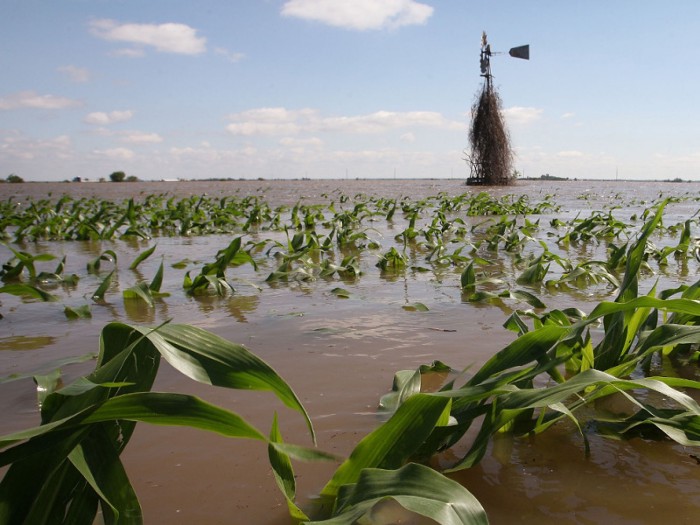
- Over 90% of farming in Kenya is for subsistence purposes. Investment in quality inputs and efficient production systems remain low. As a result, yields remain low and of poor quality
- Climate change effects and erratic weather patterns like droughts and floods destroy many crops and livestock productivity each year.
- Pests and diseases affecting crops and livestock like Fall Army Worms, Desert locusts and Rift Valley fever among others. These increases the farmers’ cost of production, food shortages and high food prices
- Low adoption of modern farming methods and technologies like use of green houses, GMOs, AI or irrigation to mitigate the risks of droughts and pests.
- Low agricultural subsidies, inadequate credit and expensive farming loans push costs of farming and food prices high
- Low use of mechanization in farming operations because of land subdivision.
Rising cost of farming
Kenyan farmers and herders are facing rising costs of production to grow and market food. For instance, the costs of fertilizers, pesticides and animal drugs and feeds has been on the rise in the last decade. For instance, the price of a 50kg DAP planting fertilizer in Jan 2021 was Ksh 3,500, the same has risen to Ksh 6,000 by December the same year. As a result, there is low usage of quality inputs which result in low yields.
The reasons for the rising cost of inflation include
- Imported inflation due to rising global prices in oil
- Bad government policy like high taxation on food and low budget allocations to the agriculture sector
- A weakening Kenyan Shilling value or power compared to other currencies like Dollar.
Producers end up pushing this cost to traders down the supply chain who later pass it to you
Social factors
High population growth, urbanisation and other factors like unemployment are driving your cost of food high.
According to census 2019 results, Kenya has 48 million people. Her annual population growth rate is 2.28%. Using these projections, Kenya will have more than 100 million people by year 2058. As a result, people will subdivide their lands for settlements reducing available land for food farming. Consequently, there is a shortage for food supply. This will push food prices high by making it unaffordable for many people.
Today 1 in 3 people in Kenya live in towns and cities. Urban dwellers purchase 98% of their food needs compared to rural people who only buy 30 % of their food.
Majority of people in towns are youth who have little interest in farming. Today, the average age of a rural farmer in Kenya is 56 years while the typical urban consumer is 19 years old. Urbanisation contributes to high food prices through.
- Shrinking land available for agriculture used for building residential houses
- Eroding rural areas of active energetic farm workers. The current age of a rural farmer in Kenya is 60 years old.
- Rising middle income earners has a demand preference for expensive processed and “healthy products” like organic vegetables and white meat
- Urban poverty and unemployment in informal settlements where people cannot afford decent income nor nutritious food.
Food Imports
Do you know that your eggs for your breakfast were likely imported? Kenya is a net food importer or a food deficit state. She produces less food than her domestic needs. It is estimated that Kenya imports close to 70 % of her caloric needs from other countries. Bulk of her cereals like maize wheat and rice from COMESA and EAC trader partners. Other imported food products include pulses like beans, fruits, vegetables like onions and tomatoes as well as poultry and livestock products like eggs, meats, and milk.
Imported food cost higher than the locally grown. The extra cost arises from foreign exchange expenses, custom duty and taxation as well as transport costs. These are eventually passed to you the final consumer through expensive pricing.
How to reduce food prices in Kenya
Its a fact food in Kenya is overpriced and should be reduced. But, who should lower the prices? The national government? Counties? Or the private sector players like farmers and Struggling SMEs? Interestingly, the power and solution to #lowerfoodprices is by you. This is how.
As demonstrated above, food inflation in Kenya is caused by a complex myriad of factors. However, food prices can come down through various interventions by you as business or individual.
Read Next: Ways to save money on food & groceries in 2022
- 👨⚖️Better Government policies
- 👨🌾Commercial farming
- 💹Reduce imports on Food and farm inputs
Better policies
National and county governments should draft and implement supportive rules and regulations for food and agriculture industry. These will serve to attract more investors in the field and reduce cost of production across the entire value chain from farm to fork. Some of the approaches that lobbyists can target for short term and long term impacts are;
- Temporary export bans on staple foods like maize, vegetables and fruits which we face a domestic shortage
- Increase farming acreage through irrigation, water harvesting and growing drought resistant crops
- Smart subsidies to increase access to quality farm inputs and services like livestock or crop insurance
- Promotion of urban farming within towns and cities.
- Reduced and zero taxation on farm inputs and food products
- Additional budget allocation on food production and preservation projects like empowering extension service officers
- Land control regulations like discouraging subdivision of productive agricultural land
Commercial farming
Unfortunately, around 90% of farming in Kenya is subsistence. It has reduced farm yields as producers use rudimentary farming methods, low usage of quality inputs and abuse of best agronomic practices.
By considering kilimo biashara practices, more people will produce more food for the market economically. An increase in food supply will end up pushing food prices down.
Reduce imports on food and farm inputs
Kenya is importing over 60% of her caloric needs. Similary, she imports almost 100 percent of her chemical fertilizers and pesticides.
Growing more food in the short-term should be an investment priority to control imported inflation on products we can produce locally like vegetables, cooking oil and sugar. The second solution is for farmers to consider using alternative and cheaper farm inputs like biopesticides and biofertilizers like rabbit urine. Various methods you can tap into this are;
- Grow some of your foods in kitchen gardens and urban farms.
- Sourcing best price quality products like rice
- Grow alternative food crops like canola, sunflower and sorghum.
- Invest in food preservation, processing and manufacturing to reduce food losses.
5 Responses
Leave a Reply
Latest posts




Informative, well researched article
Informative & Well Researched. We need to address issue with immediate effect as a country
Thank you Sir. At an individual level you can see some tips here https://bit.ly/3BzT1oK
[…] Other resource challenges include fraud, delays in cash disbursement and inflation of food prices. […]
Sad but the truth