Key takeaways
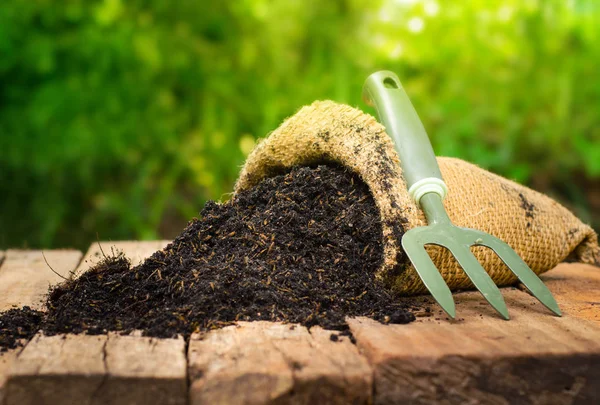
- Manure and compost feed the soil, but carry few nutrients per kilo.
- In a western Kenya trial, manure plus TSP beat DAP alone.
- Roof the shed, keep the urine and cover the heap. Storage decides manure quality.
- Buy bagged organic fertilizer with a genuine KEBS mark. In 2024, KEBS pulled 5,840 bags that failed the test.
The best organic fertilizers in Kenya are well-stored farmyard manure and compost, used with some mineral fertilizer. Manure plus TSP beat DAP alone in a western Kenya trial. Tithonia leaves can replace urea as a nitrogen source. Buy bagged products with a genuine KEBS mark.
Organic fertilizer is cheap or free on most farms. Used well, it lifts yields and makes mineral fertilizer work harder. Here is how to get the most from it.
What organic fertilizers can and cannot do
Organic fertilizer feeds the soil as well as the crop. Manure and compost add organic matter, which holds water and nutrients and feeds soil life.
But they carry few nutrients per kilo. A tonne of farmyard manure holds far less phosphate than one bag of DAP. So most farms need both.
Maize yield with manure, fertilizer and both
Tonnes per hectare on acid soil in western Kenya.
Source: Esilaba, KALRO, 2018. Light green: manure only. Blue: mineral fertilizer only. Dark green: both.
Manure alone more than tripled the yield on that farm. Adding TSP nearly doubled it again. Manure plus a little phosphate also beat DAP alone.
Feeds soil life
Organic matter feeds the microbes that release nutrients to roots.
Holds water
Soil rich in organic matter stays moist for longer between rains.
Works slowly
Nutrients release over months. One dose helps the next season too.
Manure feeds the soil. Mineral fertilizer feeds the crop. Most farms need both.
15 types of organic manure and natural fertilizer
These 15 natural fertilizers cover what a Kenyan farm or kitchen garden can make, find or buy. Each card shows what it feeds, how to use it and where to get it.
Compost
Rotted crop waste, kitchen waste and manure. Dig two to three spades into each square metre before planting.
Find it: make it at home in about three months.Farmyard manure
Cow, goat or sheep manure. Use it well rotted, and mix it into beds two weeks before planting.
Find it: your own boma, or a neighbour with livestock.Chicken manure
The richest common manure. Compost it first, then use half as much as cow manure.
Find it: poultry farms sell it by the sack.Vermicompost
Compost made by red worms. Add a handful to each planting hole or seedling pot.
Find it: keep a worm bin, or buy from worm farmers.Bone meal
Ground bones that release phosphate slowly. Mix a little into planting holes for fruit trees and flowers.
Find it: agrovets and animal feed shops.Liquid manure tea
Hang a sack of manure in a drum of water for two weeks. Dilute to the colour of weak tea, then water the roots.
Find it: make it at home.Nettle tea or powder
Stinging nettle (thabai) is rich in nitrogen. Soak chopped leaves for one to two weeks, dilute one part to ten, and water the roots.
Find it: grows wild in the highlands. Dried powder is sold as a food.Tithonia and legumes
Chop tithonia leaves and dig them in at planting. Grow beans, cowpeas or lablab and dig in the leaves after harvest.
Find it: hedges across western and central Kenya.Wood ash
Ash raises soil pH, so use a handful per square metre on acid soil only. Never mix it with fresh manure.
Find it: your own jiko, from untreated wood or charcoal.Blood meal and fish meal
Strong and fast. Use small amounts on leafy vegetables, and bury them so they do not attract animals.
Find it: feed shops sell fish meal and omena waste.Biochar
Fine charcoal that keeps nutrients in the root zone. Soak it in manure tea or mix it into compost before use.
Find it: charcoal dust, or biochar fertilizer such as Safi Sarvi.Old hay and dry grass mulch
Spread a layer 5 to 10 cm deep around plants. It keeps soil moist, stops weeds and rots into the soil.
Find it: spoiled hay, dry grass or maize stover.Seaweed
Rinse off the salt, then use it as mulch or soak it into a liquid feed.
Find it: the coast, or bottled seaweed extract in agrovets.Coco peat, not peat moss
Peat moss is imported and costly. Coco peat does the same job in seedling trays and pots, but add compost for nutrients.
Find it: agrovets and nursery suppliers.Rock dust and lime
Rock dust releases minerals very slowly. Lime corrects acid soil, which no organic material fixes alone.
Find it: quarries for dust. See the lime guide.Start with compost and manure, because they feed everything. Add bone meal for roots, liquid feeds for a quick lift, and wood ash only on acid soil.
For bigger plots, combine these with small doses of mineral fertilizer. The best fertilizer per crop guide gives the rates.
How to make better manure
Most manure on Kenyan farms loses much of its value before it reaches the field. Rain washes nutrients out, and sun dries the nitrogen away.
A study on central Kenya farms (Lekasi and others, 2003) found that how farmers stored manure mattered most. Housed, covered manure was far richer.
- 1Roof the cattle shed. Rain on an open boma washes the nutrients into the ground.
- 2Keep the urine. Use bedding such as maize stover or grass to soak it up. Urine holds much of the nitrogen.
- 3Store manure in a covered heap or pit. Cover it with soil, banana leaves or a sheet against sun and rain.
- 4Turn it every few weeks. Turning speeds rotting and kills weed seeds.
- 5Apply it rotted, before planting. Dig it in so the nutrients stay in the root zone.
Do
- ✓Mix manure with crop residue and bedding
- ✓Use well-rotted manure in planting holes
- ✓Add a little DAP or TSP with manure
- ✓Spread it before the rains
Don’t
- ✕Leave manure in the sun and rain
- ✕Put fresh poultry manure next to seedlings
- ✕Burn crop residue you could compost
- ✕Expect manure alone to fix acid soil
Planning an organic or low-input farm?
Agcenture helps farms and agribusinesses plan soil fertility with manure, compost and fertilizer together. We cost each option per acre.
Talk to AgcentureCompost and manure: how to make and use them
Compost
Compost turns crop waste, kitchen waste and manure into a rich, crumbly soil feed. Build a heap in layers of dry material, green material and manure. Keep it moist, turn it, and use it in about three months.
Tithonia, the Mexican sunflower
Tithonia grows wild along hedges across western Kenya. Its fresh leaves are rich in nitrogen. In a western Kenya maize study, tithonia matched urea at the same nitrogen rate.
Cut the soft leaves and stems, chop them, and dig them in at planting. It takes a lot of labour, so it suits small, high-value plots best.
Legumes as green manure
Beans, cowpeas, lablab and mucuna fix nitrogen from the air. Dig the leaves in after harvest, or rotate cereals with legumes. The next crop benefits.
Note that organic materials do not cure acid soil on their own. If your pH is low, read our lime guide too.
Organic fertilizer brands in Kenya, and how to spot fakes
Bagged and bottled organic fertilizers save you the work of making compost. Here are brands sold in Kenya.
| Brand (maker) | Product | Notes |
|---|---|---|
| Fertiplus (IPSEA) | Dry pellets, 4-3-3 with 65% organic matter | 25 kg bags |
| Evergrow (Farm Star) | Organic NPK with trace elements | Sold through Copia |
| Lisha (Essentia Kanan) | Bio-organic compost | Vegetables and fruit |
| Sifa (Legorn) | Organic granules | Vegetables, fruit, cereals, lawns |
| Rotuba (Kenya Organic Finest Aromas) | Organic compound biofertilizer | Planting and top dressing |
| Biofix (MEA) | Composted organic material | All crops |
| Safi Sarvi (Safi Organics) | Biochar-based fertilizer made from rice husks | Made in Mwea |
| Nutriplant Organic Plus | Liquid foliar feed in small bottles | A top-up, not a replacement for soil feeding |
Check before you buy
Quality varies, and fakes exist.
In March 2024, KEBS withdrew 5,840 bags of a product sold as organic fertilizer, as Citizen Digital reported. Tests found it was diatomite, a mineral powder, and the KEBS labels on the bags were fake.
Before you buy
- ✓The bag shows a genuine KEBS mark
- ✓The label lists nutrients and organic matter
- ✓The seller gives a receipt with a batch number
- ✓The product claims to meet KS 2290:2018
Walk away if
- ✕The bag is mostly stones or grit
- ✕The label has no maker address
- ✕The price is far below other brands
- ✕The seller promises it replaces all fertilizer
KEBS asks farmers to report suspect products on its toll-free line, 1545, as The Star reported.
Super Gro is often sold beside these products. It is a wetting agent that helps water and sprays spread. It is not a fertilizer, so it cannot replace manure or compost.
Confirm current products and prices with each supplier. See our where to buy fertilizer guide for other companies.
Feed the soil and the crop
Agcenture helps farmers and agribusinesses combine manure, compost and fertilizer into one plan, with costs per acre.
Start with the free calculator. It credits the manure you already use.
Written by Agcenture Consulting
We advise farmers, agribusinesses and lenders on agricultural finance, farm planning and market systems across East Africa.
Questions readers ask
What is the best organic fertilizer in Kenya?
Well-stored farmyard manure or compost. Combine it with some mineral fertilizer for the best yields.
Can organic fertilizer replace DAP?
Rarely on its own. Manure plus a little TSP or DAP gives better yields than either alone.
How much manure should I use per acre?
Two tonnes per hectare, about 800 kg per acre, worked well in western Kenya trials.
Is chicken manure better than cow manure?
It is richer in nitrogen and phosphate, so use less. Compost it before use.
How do I know if bagged organic fertilizer is genuine?
Look for a genuine KEBS mark and a full label. Report suspect products to KEBS on 1545.
What are the types of organic manure?
Farmyard manure, chicken manure, compost, vermicompost, green manure and liquid manure tea are the main types.
Is bone meal a good fertilizer?
Yes, for phosphate and calcium. It works slowly, so mix it into planting holes.
Can I use wood ash as fertilizer?
Yes, for potash, but only on acid soil. It raises pH and should not be mixed with fresh manure.
Is Super Gro a fertilizer?
No. It is a wetting agent that helps water spread. It does not feed the crop.