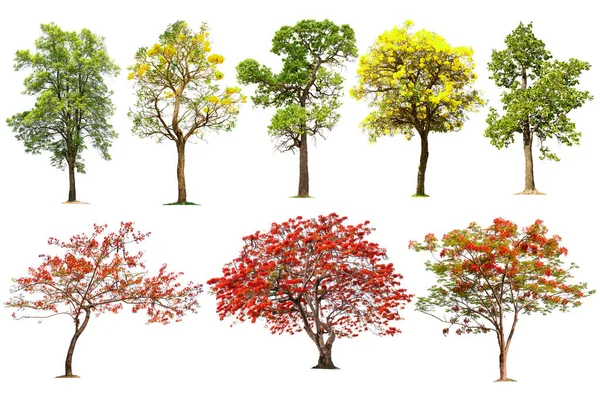
- Top 10 Ornamental Trees in Kenya at a Glance
- How We Selected The Best Compound Trees in Kenya
- Detailed Guide On The Best 25 Ornamental Trees in Kenya
- Jacaranda (Jacaranda mimosifolia)
- Terminalia Mantaly/Umbrella (Madagascar Almond)
- Nandi Flame (African Tulip Tree)
- Grevillea (Grevillea robusta)
- Royal Poinciana (Delonix regia)
- Thika Palm Tree (Filicium decipiens)
- Markhamia lutea (Nile Tulip)
- Frangipani (Plumeria spp.)
- Bottle Brush (Callistemon spp.)
- Royal Palm (Roystonea regia)
- Areca Palm (Dypsis lutescens)
- Traveller's Palm (Ravenala madagascariensis)
- Neem (Azadirachta indica)
- Tipuana (Tipuana tipu)
- Golden Shower (Cassia fistula)
- Red Hot Poker Tree
- Ficus benjamina
- Podocarpus (Podocarpus falcatus)
- Croton megalocarpus (Mukinduri)
- Acacia xanthophloea (Naivasha Thorn)
- False Ashoka (Polyalthia longifolia)
- Cape Chestnut (Calodendrum capense)
- Tabebuia (Pink Trumpet Tree)
- African olive tree
- African Holly (Ilex mitis)
- Best suited for
- Growing conditions
- Fruit trees
- Italian Cypress (Cupressus sempervirens)
- Natal Mahogany (Trichilia emetica)
- Golden Bamboo (Phyllostachys aurea)
- Bonsai Trees
- Other ornamental trees in Kenya
- Jacaranda (Jacaranda mimosifolia)
- Best Ornamental Trees by Purpose
- 2026 Ornamental Tree Price Guide
- Where to Buy Ornamental Trees in Kenya
- How to Choose the Right Ornamental Tree
- Common Landscaping Mistakes
Are you looking for the best compound trees to grow in Kenya? The wrong ornamental tree can crack a driveway, block power lines, or leave you sweeping leaves every weekend. The right one can cool your home, improve privacy, attract birds, and increase property value for decades.
Kenya’s landscaping industry has changed significantly over the past few years. Developers now prefer trees that are drought-tolerant, require less maintenance, and complement modern architectural designs. At the same time, homeowners are increasingly looking for species that provide fast shade without damaging foundations or underground plumbing.
This guide brings together the ornamental trees most commonly planted across Kenya today. Whether you’re landscaping a new home in Kitengela, planting along a driveway in Kiambu, or designing a commercial property in Mombasa, you’ll find current seedling prices, growth characteristics, and practical recommendations based on how these trees actually perform.
Top 10 Ornamental Trees in Kenya at a Glance
Quick Comparison Table for Kenyan Homeowners
| Tree | Tube Seedling | Growth | Best For |
|---|---|---|---|
| Grevillea | KSh 50 | Fast | Shade, windbreaks |
| Tecoma | KSh 50 | Fast | Flowering streets |
| Nandi Flame | KSh 70–500 | Fast | Large compounds |
| Jacaranda | KSh 150–600 | Moderate | Flowering avenues |
| Bottle Brush | KSh 200–500 | Moderate | Small gardens |
| Terminalia mantaly | KSh 250–800 | Fast | Parking & shade |
| Italian Cypress | KSh 300–500 | Fast | Privacy screening |
| Tabebuia | KSh 400–700 | Moderate | Ornamental flowers |
| Royal Palm | KSh 500–800 | Moderate | Luxury landscapes |
| Thika Palm | KSh 500–2,500 | Slow | Premium homes |
How We Selected The Best Compound Trees in Kenya
Not every beautiful tree belongs in your compound. This guide is based on four practical criteria that determine whether an ornamental tree performs well in Kenya conditions and delivers long-term landscaping value.
- Local Availability: We prioritised species that are readily available from reputable Kenyan nurseries, including KEFRI-certified producers, commercial landscaping suppliers, and established nurseries.
- Climate Adaptability: The selected species represent Kenya’s major agro-climatic zones, from the cool Central Highlands and Rift Valley, Coastal Belt, Western Kenya and the country’s Arid and Semi-Arid Lands (ASALs).
- Beauty Appeal: We evaluated each species on growth rate, mature size, root behaviour, canopy structure, maintenance requirements, drought tolerance and suitability for residential, commercial and institutional landscapes.
- High Demand: We included popular trees with residential developers, gated communities, commercial buildings, hotels, schools and public landscaping projects.
Related: Which Are the Best Ornamental Trees? Best Guide
The best ornamental tree isn’t necessarily the most expensive or cheapest. It’s the species that matches your soil, available space, rainfall and long-term maintenance expectations.
Detailed Guide On The Best 25 Ornamental Trees in Kenya
This guide compares the best ornamental trees grown in Kenya, including estimated 2026 seedling prices, growth rates, mature size, maintenance requirements and where each tree performs best. Whether you’re planting a single specimen in your front yard or landscaping an entire estate, this guide will help you choose the right tree with confidence.
Jacaranda (Jacaranda mimosifolia)
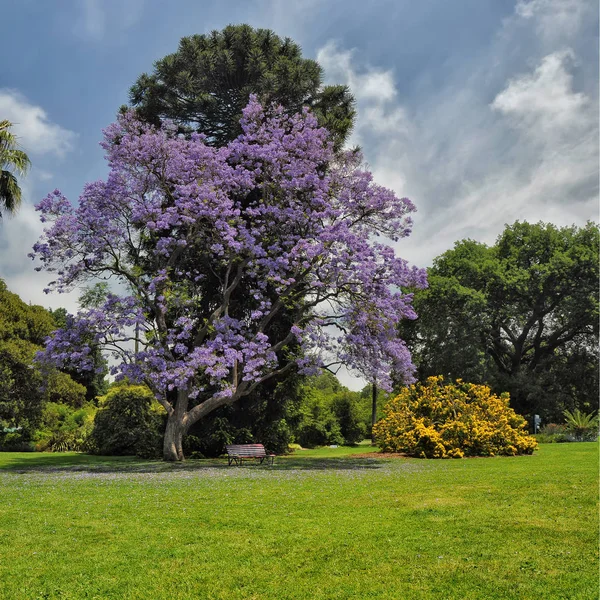
If there is one tree that defines Nairobi, Nyeri and Nakuru streets every year, it is the Jacaranda. When thousands of blue-purple flowers bloom together, entire neighbourhoods transform, making it one of Kenya’s most recognisable ornamental trees.

Its popularity isn’t just about colour. Jacaranda provides light, filtered shade, grows into an elegant avenue tree, and instantly gives a property a mature appearance.
Best suited for
Jacaranda performs exceptionally well in Nairobi, Kiambu, Nyeri, Nakuru, Eldoret and other cool highland areas with well-drained soils.
Before you plant
This isn’t a tree for every compound. Mature Jacarandas develop broad crowns and extensive root systems that can interfere with walls, cabro paving and septic systems if planted too close.
Allow at least 5–7 metres between the tree and permanent structures.
2026 Price Guide
- Tube seedling: KSh 150–600
- Landscape-ready tree: Around KSh 900
If you have the space, few flowering trees match Jacaranda for long-term beauty. For smaller plots, however, choose a more compact ornamental.
Jacaranda is one of the best beautification trees in Kenya. In landscaping, its preferred for its Under good conditions it can grow tall up to 15 meters giving you good shade in hot seasons.
Terminalia Mantaly/Umbrella (Madagascar Almond)
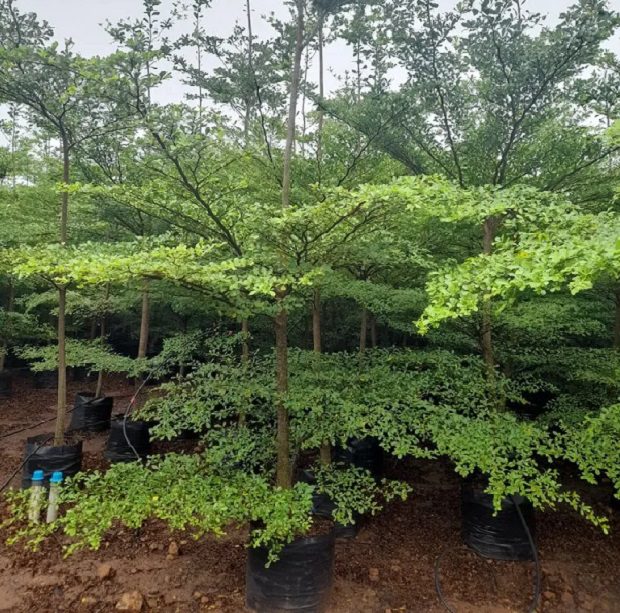
Walk through a modern estate, hotel, university or shopping centre in Kenya and you’ll probably notice one tree appearing over and over again. That’s Terminalia mantaly.

Landscape architects favour it because it delivers something many shade trees don’t: structure. Its distinctive layered branches create neat, symmetrical shade that looks as good from an office window as it does from the road.
It also grows quickly, making it one of the fastest ways to transform a bare compound into a finished landscape.
Why it’s so popular
- Excellent shade for parking bays and driveways.
- Attractive tiered canopy.
- Cleaner growth habit than many traditional shade trees.
- Roots are generally less aggressive than Ficus or Jacaranda.
Typical price
- Tube seedling: KSh 250–800
- Landscape-ready tree: KSh 1,500–2,500
Keep in mind
Terminalia sheds its leaves seasonally. If you’re looking for an evergreen tree that stays green throughout the year, this isn’t it. For modern residential developments, Terminalia remains Kenya’s benchmark ornamental shade tree.
Nandi Flame (African Tulip Tree)
Some trees provide shade. Others become the centrepiece of an entire landscape. Nandi Flame belongs firmly in the second category.

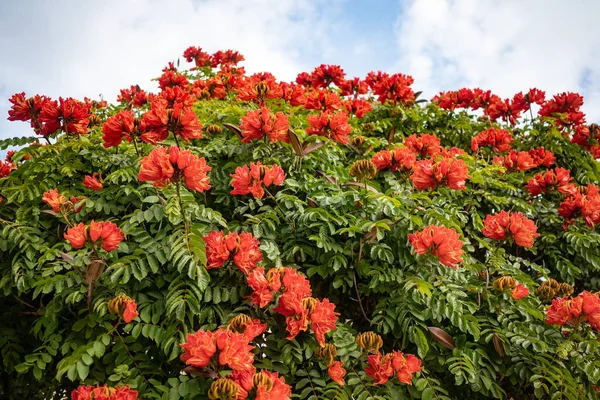
Known botanically as Spathodea campanulata, this indigenous tree produces spectacular orange-red flowers that attract birds and immediately draw attention. Mature specimens are common in schools, parks and institutional compounds where there is enough room for their expansive canopy.
Where it works best
Because of its size, Nandi Flame is best planted on large properties rather than typical urban plots. It performs well throughout Kenya’s humid and sub-humid regions.
Strengths
- Fast-growing.
- Excellent shade.
- Indigenous species that supports birdlife.
- Highly visible flowering display.
Limitations
Heavy branches and relatively shallow roots mean regular pruning is important, particularly in windy areas. Its branches has a high tendency to break off easily in a storm.
2026 Price
- Tube seedling: KSh 70–500
- Landscape-ready tree: Around KSh 480
One of Kenya’s finest indigenous flowering trees, but only if you have enough space to let it mature naturally. It one of the recommended shade trees for parks, yards and drive ways.
Grevillea (Grevillea robusta)
Grevillea is probably the hardest-working tree in Kenya. Farmers plant it for timber, windbreaks and agroforestry. Homeowners use it for shade and boundaries. Developers appreciate how quickly it establishes.
Unlike many ornamental trees, Grevillea combines beauty with practicality. Its fern-like foliage creates light shade that allows grass and many garden plants to continue growing underneath.
A smart choice if you need
- A fast-growing boundary tree.
- Wind protection.
- Shade without creating deep darkness.
- An affordable landscaping option.
Price
Tube seedlings are widely available from around KSh 50, making Grevillea one of the most affordable trees on this list.
The downside
Don’t underestimate its mature size. Grevillea can exceed 20 metres under good conditions and is better suited to spacious compounds than compact urban gardens.
If you’re landscaping a farm, school or large residential property on a budget, Grevillea delivers exceptional value.
Read Next: How can you make money farming trees in Kenya?
Royal Poinciana (Delonix regia)
Royal Poinciana is one the most popular exotic ornamental tree in Kenya. This tree belongs to the pea family and it’s a native of Madagascar. It is also known as the Flamboyant Tree or the Peacock Tree.

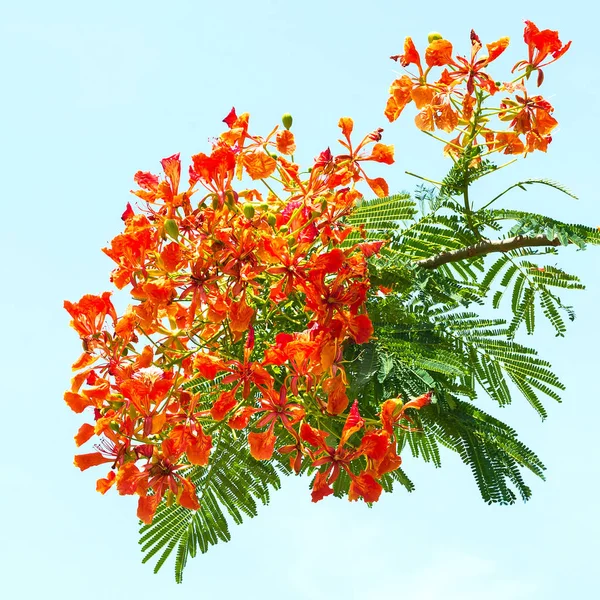
Few trees can compete with the Royal Poinciana when it’s in full bloom. During the hot season, its broad umbrella-shaped canopy disappears beneath brilliant scarlet-red flowers, creating one of the most dramatic landscapes in tropical Kenya.
It is particularly popular along the Coast, in Machakos and other warm counties where long, sunny seasons encourage abundant flowering.
Ideal locations
Royal Poinciana needs room. Its wide canopy makes it perfect for parks, schools, resorts and spacious home compounds where shade is just as important as appearance.
2026 Price Guide
- Tube seedling: KSh 200–400
- Landscape-ready tree: Around KSh 500
Planting advice
Avoid exposed hilltops or windy locations. Although fast growing, the tree develops a relatively shallow root system, making young trees vulnerable to strong winds before they establish properly.
If your goal is maximum visual impact and generous shade in a warm climate, Royal Poinciana remains one of the best ornamental trees you can plant.
Thika Palm Tree (Filicium decipiens)
Ask any experienced landscaper to identify a tree that instantly makes a property look expensive, and Thika Palm will almost always feature on the shortlist.
Despite the name, it isn’t a true palm. Instead, it develops a dense, rounded canopy of fern-like foliage that works beautifully as a specimen tree in modern residential and commercial developments.
Best suited for
- Executive homes.
- Luxury apartments.
- Hotel entrances.
- Office compounds.
2026 Price Guide
- Tube seedling: KSh 500–2,500
- Landscape-ready tree: KSh 2,500–4,000
Before buying
Thika Palm is slower growing than most ornamental trees, which explains its higher nursery price. Buying a larger specimen significantly increases landscaping costs but delivers immediate visual impact.
If your budget allows only one premium ornamental tree, Thika Palm is one of the best investments you can make.
Markhamia lutea (Nile Tulip)
The Nile Tulip or the Markhamia lutea tree is commonly known as siala, Lusiola or Muu in Kenya’s local languages.
Markhamia lutea is one of Kenya’s most underrated indigenous ornamental trees. Its bright yellow trumpet-shaped flowers, upright growth and fast establishment make it a practical alternative to more expensive exotic species.
It is widely planted in schools, churches, institutional compounds and along rural roads because it combines beauty with resilience.
Best applications
- Driveways
- Schools
- Institutional compounds
- Avenue planting
Performance
The tree grows rapidly under favourable conditions and remains evergreen across much of Kenya. Its relatively open canopy provides comfortable filtered shade without creating excessive darkness.
2026 Price Guide
- Tube seedling: KSh 100–300
- Landscape-ready tree: Around KSh 600
Before you plant
Long seed pods develop after flowering. Some homeowners appreciate their natural appearance while others consider them untidy. Nile Tulip is a dependable indigenous flowering tree that deserves far wider use in Kenyan landscaping.
Frangipani (Plumeria spp.)
Few ornamental trees match the Frangipani for elegance. Its sculptural branches, glossy leaves and intensely fragrant flowers have made it a favourite in hotels, villas and coastal homes across Kenya. Even when not in bloom, the tree adds character to a landscape.
Unlike many shade trees, Frangipani works well in compact spaces. It is commonly planted near entrances, patios, swimming pools and courtyards where people can appreciate both its flowers and fragrance.
Where it grows best
Frangipani thrives in warm climates including Mombasa, Kilifi, Kwale, Kisumu and the lower parts of Eastern Kenya. It prefers full sun and well-drained soils.
2026 Price Guide
- Tube seedling: KSh 300–500
- Landscape-ready tree: Around KSh 700
Things to know before planting
The tree produces a white milky sap that may irritate sensitive skin. It is also slower to establish than many fast-growing ornamentals, but once mature it requires very little maintenance. It is one of the best ornamental trees for homeowners who value flowers and fragrance over dense shade.
Bottle Brush (Callistemon spp.)
Bottle Brush proves that not every ornamental tree needs to be large to make an impact. Its bright red flowers resemble bottle-cleaning brushes and bloom several times a year, attracting sunbirds, butterflies and bees into the garden.
Because it remains relatively compact, it is one of the safest ornamental trees for modern residential developments where space is limited.
Why landscapers like it
- Fits comfortably in small compounds.
- Produces colourful flowers throughout the year.
- Excellent for borders and decorative screening.
- Supports pollinators and birds.
Typical Price
- Tube seedling: KSh 200–500
- Landscape-ready tree: Around KSh 480
Best suited for
Urban homes in Nairobi, Kiambu, Nakuru and other highland towns where homeowners want colour without sacrificing space. If you’re landscaping a 40×80 or 50×100 plot, Bottle Brush offers one of the best balances between size, beauty and maintenance.
Royal Palm (Roystonea regia)
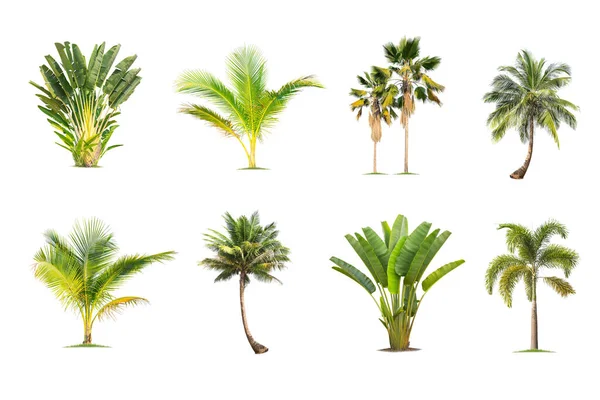
There are various palm tree and coconut varieties that used in Kenya for landscaping. You an use them as both outdoor and indoor ornamental trees. Palm trees are preferred for their tropical feeling they add to your landscape.

Few trees communicate elegance quite like Royal Palm. Its perfectly straight trunk and symmetrical crown have made it the signature tree for resorts, embassies, golf courses and luxury hotels across East Africa.
Rather than providing dense shade, Royal Palm creates strong architectural presence.
Ideal locations
Royal Palm performs best when planted in rows along long driveways or as focal points within expansive lawns.
2026 Price Guide
- Tube seedling: KSh 500–800
- Landscape-ready tree: KSh 950–3,500
Growing requirements
It prefers fertile soils and adequate moisture during establishment, although mature trees become relatively drought tolerant. Choose Royal Palm when your objective is prestige rather than shade.
Areca Palm (Dypsis lutescens)
For homeowners seeking privacy without building walls, Areca Palm offers a practical solution. Growing in attractive clusters, it creates a soft green screen while maintaining a tropical appearance.
Its moderate height also makes it suitable for smaller compounds where larger palms would dominate the landscape.
Common uses
- Swimming pool landscaping.
- Boundary planting.
- Patio screening.
- Courtyard gardens.
2026 Price Guide
- Tube seedling: KSh 500–800
- Landscape-ready tree: Around KSh 1,500
Maintenance
Remove older fronds regularly to encourage healthy growth and maintain the distinctive golden stems. It is one of Kenya’s most versatile palms for residential privacy landscaping.
Traveller’s Palm (Ravenala madagascariensis)
Despite its name, Traveller’s Palm is neither a true traveller nor a true palm. It is grown almost entirely for its dramatic fan-shaped foliage, making it one of the most recognisable architectural plants available in Kenyan nurseries.
A single mature specimen can completely transform an ordinary lawn.
Where it works best
Traveller’s Palm is ideal as a standalone focal point in hotels, resorts, large gardens and contemporary residential landscapes.
2026 Price Guide
- Tube seedling: Around KSh 400
- Landscape-ready tree: Around KSh 900
Consider this
Large leaves tear easily in exposed windy sites, so choose a sheltered location whenever possible. Plant one well-positioned Traveller’s Palm rather than several. It works best when allowed to become the landscape’s centrepiece.
Neem (Azadirachta indica)
Few trees are as resilient as Neem. In Kenya’s hotter and drier counties, it has become the default ornamental shade tree because it survives conditions that defeat many imported species.
Beyond landscaping, Neem is valued for its medicinal properties, natural pest-repellent qualities and exceptional drought tolerance.
Best suited for
Neem performs exceptionally well in Kajiado, Machakos, Makueni, Kitui, Taita Taveta and Kenya’s coastal counties.
Strengths
- Extremely drought tolerant.
- Low maintenance after establishment.
- Excellent shade tree.
- Naturally resistant to many pests.
Price
- Tube seedling: KSh 150–300
- Landscape-ready tree: Around KSh 600
Consider before planting
Neem develops into a sizeable tree. Although generally well behaved, regular pruning helps maintain an attractive canopy in residential landscapes.
For ASAL counties, Neem remains one of the most dependable ornamental trees available.
Tipuana (Tipuana tipu)
If your priority is fast shade, Tipuana deserves serious consideration. The tree establishes quickly, develops a broad canopy and fixes nitrogen, making it both an ornamental and a soil-improving species.
It has become a familiar feature along Nairobi’s older streets and institutional compounds because it grows rapidly while producing dense, cooling shade.
Best for
- Large residential compounds.
- Schools.
- Parks.
- Wide road reserves.
2026 Price Guide
- Tube seedling: KSh 200–400
- Landscape-ready tree: Around KSh 800
Things to remember
Tipuana eventually requires significant space. Avoid planting close to buildings or narrow driveways where the mature canopy may become restrictive.
It is a practical alternative to Jacaranda if shade is your priority rather than seasonal flowers.
Golden Shower (Cassia fistula)
Golden Shower lives up to its name. When in bloom, long clusters of bright yellow flowers cascade from the branches, creating a dramatic display that stands out against green lawns and blue skies.
It is especially suited to warmer parts of Kenya where prolonged sunshine encourages heavier flowering.
Best applications
- Residential gardens.
- Driveways.
- Public parks.
- Hotel landscaping.
Typical Price
- Tube seedling: Around KSh 180
- Landscape-ready tree: Around KSh 800
Maintenance
Remove mature seed pods if you prefer a tidier appearance, particularly around patios or paved walkways. The tree is a dependable flowering ornamental for homeowners looking to introduce vibrant colour into the landscape.
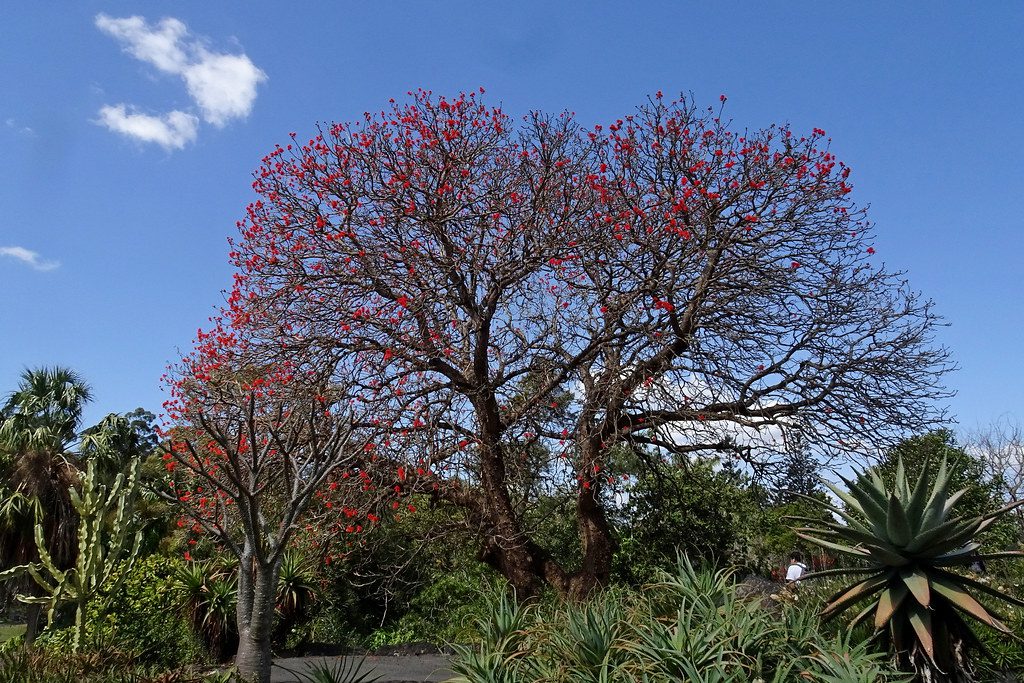
Red Hot Poker Tree

The Erythrina abyssinica – Red Hot Poker tree is another great ornamental tree in Kenya if your home is in dry areas. It grows to about 10 m high. Its bark is yellowish brown thick and corky and can sometimes have woody spines with deep ridges.
Its leaves are compound with three rounded leaflets. The underside has brownish hairs. During blooming, the flowers are orange red in erect heads.
The other Red Hot poker tree benefits include; Its wood can be carved to make log beehives, mortars, drums and stools. The seeds are used in making necklaces. The attractive flowers can attract birds and insects to your farm.
Ficus benjamina
Ficus benjamina is often associated with formal landscaping because few trees respond to pruning as well. It can be shaped into hedges, domes, screens or architectural forms, making it a favourite for commercial developments and executive residences.
Its dense evergreen foliage provides year-round greenery and excellent privacy.
Before choosing Ficus
The same vigorous roots that make it resilient can also create problems. Never plant it near foundations, septic tanks, drainage systems or paved surfaces.
Price
- Tube seedling: KSh 200–400
- Landscape-ready tree: Around KSh 550
Best suited for
Formal gardens, commercial properties and large compounds where root spread can be safely accommodated. Benjamina is a beautiful, versatile and durable—but only when planted in the right location.
Podocarpus (Podocarpus falcatus)
Podocarpus is one of Kenya’s most respected indigenous evergreen trees. Although slower to establish than many exotic ornamentals, it rewards patience with decades of dependable performance and very little maintenance.
Its upright habit and rich green foliage make it a common choice for institutions, hotels and long-term landscape projects.
Why professionals choose it
Rather than delivering quick results, Podocarpus offers longevity. Mature trees remain attractive for generations and tolerate pruning exceptionally well.
2026 Price Guide
- Tube seedling: KSh 300–500
- Landscape-ready tree: Around KSh 1,200
Growing conditions
Best suited to Kenya’s cooler highland regions where soils remain reasonably fertile and well drained. If you’re planting for the next 30 to 50 years rather than the next three, Podocarpus is one of the strongest long-term investments.
Croton megalocarpus (Mukinduri)
Croton megalocarpus demonstrates that indigenous trees can be both practical and ornamental. Its broad canopy, drought tolerance and ecological value make it increasingly attractive for sustainable landscaping projects.
Unlike many exotic ornamentals, it supports local biodiversity while requiring relatively little maintenance.
Strengths
- Indigenous species.
- Excellent shade.
- Bird-friendly.
- Performs well under varied conditions.
2026 Price Guide
- Tube seedling: KSh 150–300
- Landscape-ready tree: Around KSh 680
Best suited for
Residential estates, schools, institutions and environmentally conscious developments across much of Kenya. An excellent long-term shade tree for projects prioritising sustainability and indigenous biodiversity.
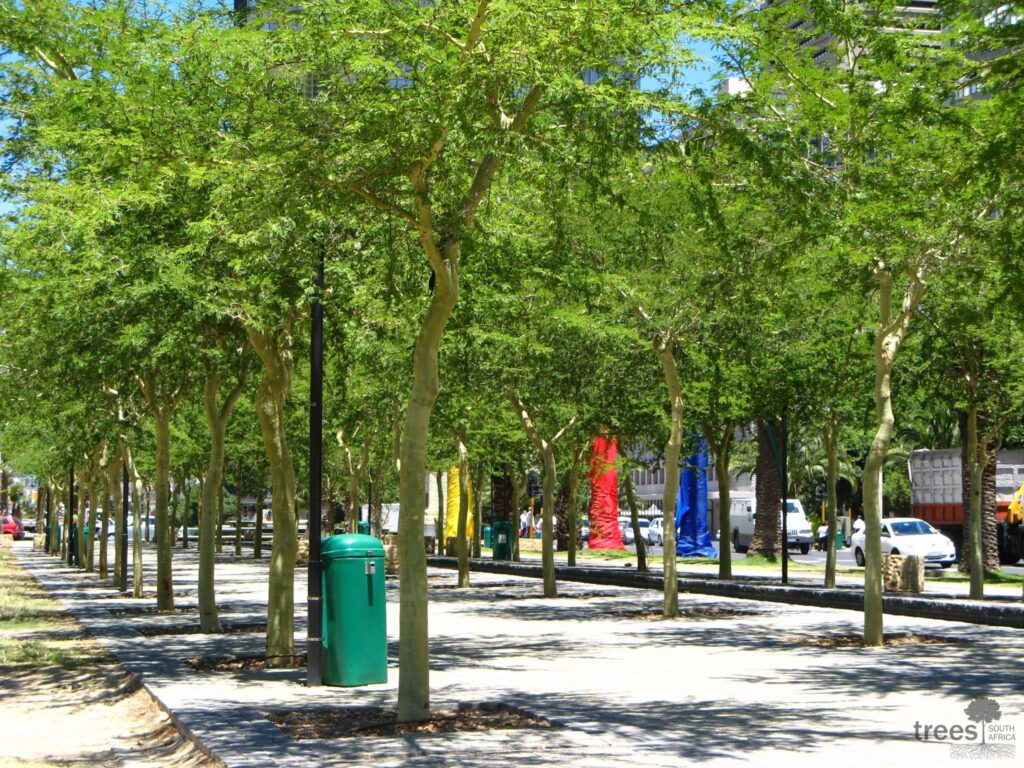
Acacia xanthophloea (Naivasha Thorn)
The Acacia species is one of the best beuatifaction trees that grow in dry areas in kenya. It is a common sight in most savannah grasslands. The trees has a wide canopy that provides ample shade and is known for its resilience in harsh environments.

Recognisable by its striking yellow-green bark, Acacia xanthophloea is one of Kenya’s most distinctive landscape trees. Mature specimens create the classic savannah scenery associated with Naivasha and many Rift Valley conservancies.
Best applications
- Large rural homes.
- Driveways.
- Parks.
- Wildlife-inspired landscapes.
2026 Price Guide
- Tube seedling: KSh 150–400
- Landscape-ready tree: Around KSh 800
Before planting
Although visually impressive, the tree develops sharp thorns and eventually reaches considerable size. It is therefore better suited to spacious landscapes than compact urban gardens. Perfect for creating an authentic Kenyan savannah landscape on large properties.
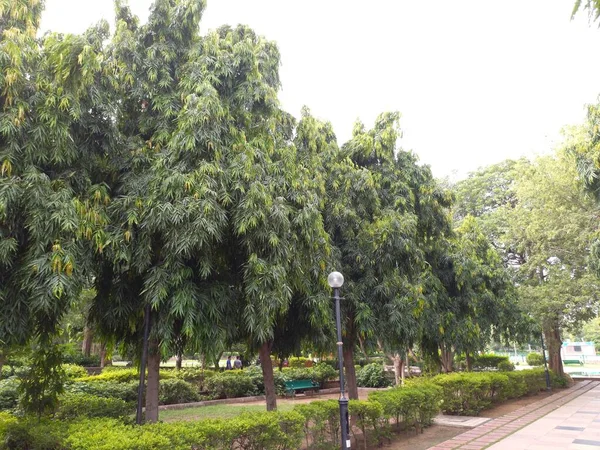
False Ashoka (Polyalthia longifolia)

The False Ashoka tree, also known as the Mast Tree is best tree shade tree along drive ways. False Ashoka has become one of Kenya’s most recognisable landscaping trees because of its tall, narrow profile and elegant drooping foliage. It creates an immediate sense of order and privacy without occupying much ground space, making it particularly popular in urban developments.
The tree is wind-tolerant, grows tall and narrow. It is often used in group planting for windbreaking, privacy hedges and even to cut down on noise pollution.
Best Uses: Privacy screening, boundary planting, avenues, churches, schools and commercial developments.
Advantages
- Requires very little horizontal space.
- Excellent natural privacy screen.
- Evergreen throughout the year.
- Minimal leaf litter compared to broad-canopy trees.
Limitations
- Provides limited shade due to its narrow canopy.
- May require occasional shaping where planted close together.
Best Counties or Climate: Performs well across Nairobi, Kiambu, Nakuru, Eldoret and most medium to high altitude regions. Plant 1.5–2 metres apart when establishing a continuous screen and irrigate regularly during the first year.
The false Ashok Tree true beauty is most effective for homeowners debating between masonry walls and greenery.
Cape Chestnut (Calodendrum capense)
Cape Chestnut is one of Kenya’s finest indigenous ornamental trees, yet it remains surprisingly underutilised outside botanical gardens and premium landscapes. Its smooth grey bark, glossy foliage and delicate pink flowers give it year-round appeal without the aggressive growth associated with many exotic species.
For homeowners looking for an indigenous alternative to Jacaranda, this is one of the strongest candidates.
Why choose Cape Chestnut?
- Attractive pink blossoms.
- Non-invasive root system.
- Dense, evergreen canopy.
- Excellent shade for medium and large compounds.
2026 Price Guide
- Tube seedling: From KSh 100
Best growing conditions
Cape Chestnut performs best between 1,200 and 2,200 metres above sea level, making it well suited to Nairobi, Kiambu, Nyeri, Kericho and other highland counties. One of Kenya’s best indigenous ornamental trees for homeowners who want beauty without worrying about destructive roots.
Tabebuia (Pink Trumpet Tree)
Few flowering trees have gained popularity as quickly as Tabebuia. During flowering, the tree sheds its leaves before becoming completely covered in soft pink blossoms, creating one of the most striking displays in modern Kenyan landscapes.
Its tidy growth habit makes it particularly attractive for premium residential developments where appearance is everything.
Why demand continues to grow
Developers increasingly favour Tabebuia because it combines manageable roots, moderate growth and exceptional seasonal colour without becoming overwhelmingly large.
2026 Price Guide
- Tube seedling: KSh 400–700
- Landscape-ready tree: Around KSh 1,500
Best growing areas
Performs well in Nairobi, Kiambu, Nakuru and other moderate-climate regions with full sun.
It is one of the best premium flowering trees currently available in Kenyan nurseries.
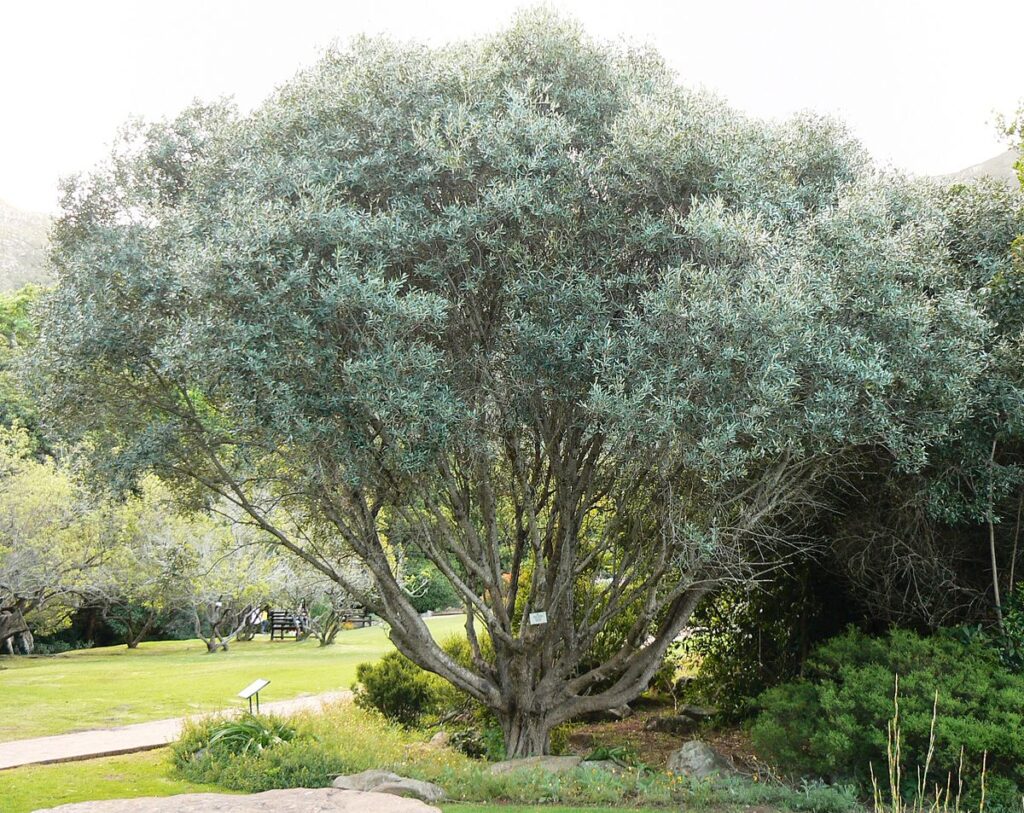
African olive tree

The African Olive is one of Kenya’s most respected indigenous evergreen trees. Valued for its dense canopy, longevity and exceptionally hard timber, it has become increasingly popular for premium residential developments, conservation projects and institutional landscapes.
Estimated Seedling Price: KSh 150–500.
Growth Rate: Slow to Moderate.
Mature Height: 10–20 metres.
Best Uses: Indigenous landscaping, large compounds, schools, churches and ecological restoration.
Advantages
- Indigenous and highly resilient.
- Evergreen with attractive grey-green foliage.
- Supports birds and indigenous biodiversity.
- Extremely long-lived with minimal maintenance.
Limitations
- Slower establishment than many exotic ornamentals.
- Limited availability in ordinary roadside nurseries.
Best Counties or Climate: Central Kenya, Rift Valley, Mount Kenya region and most highland counties.
Maintenance Tips: Water consistently during establishment, but once mature the tree requires very little intervention. If you’re choosing one indigenous evergreen that will outlive generations, African Olive deserves serious consideration. It combines landscape value with ecological importance better than almost any other native tree.
The tree matures slowly but on the pisitice side it has many commercial uses. African olive trunks are used to make construction beams, carvings, fencing posts, wood fuel, medicine and fodder.
African Holly (Ilex mitis)
African Holly is one of the cleanest evergreen trees available for residential landscaping. Unlike many deciduous ornamentals, it maintains dense foliage throughout the year, reducing seasonal leaf litter while providing excellent privacy and shade.
Its neat appearance explains why it is increasingly planted in high-end residential estates.
Best suited for
- Boundary planting.
- Dust control.
- Privacy.
- Driveways.
2026 Price Guide
- Tube seedling: Around KSh 500
Growing conditions
African Holly performs particularly well in cooler highland counties including Nairobi, Limuru, Tigoni and Nyeri. A premium evergreen for homeowners who want a consistently green compound with minimal seasonal cleanup.
Fruit trees
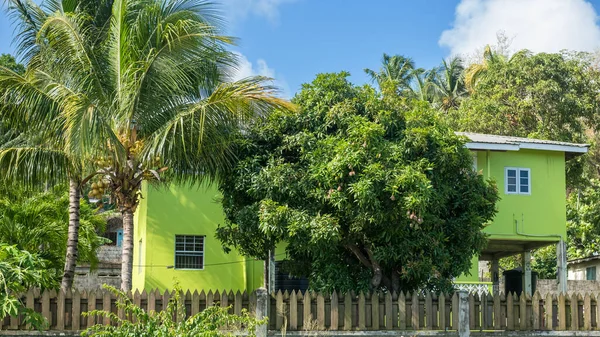
Many homeowners in Kenya plant fruit trees as ornamental trees. The common choices are mango, avocado and Guava trees. Others are Loquats and banana plants. They are planted for beauty, ample shade and fruits.

Ornamental landscaping does not have to be purely decorative. Fruit trees combine beauty with productivity, providing seasonal blossoms, attractive foliage and fresh harvests. Well-designed compounds increasingly incorporate mangoes, avocados, citrus and guavas as part of edible landscaping, reducing food costs while enhancing biodiversity.
Estimated Seedling Price: KSh 150–1,500 depending on species and grafting.
Growth Rate: Moderate to Fast.
Mature Height: 3–20 metres depending on species.
Best Uses: Residential compounds, kitchen gardens, schools, institutions and agroforestry landscapes.
Advantages
- Produce food while improving landscape value.
- Attract birds and pollinators during flowering.
- Offer excellent shade once mature.
- Increase long-term property utility.
Limitations
- Require regular pruning for productive harvests.
- Fallen fruits can attract insects if not collected.
Best Counties or Climate: Suitable across Kenya depending on species. Mangoes thrive in coastal and lower eastern counties, while avocados, citrus and tree tomatoes perform well in the highlands.
Maintenance Tips: Apply organic manure annually, prune after harvesting and maintain good irrigation during prolonged dry periods.
Italian Cypress (Cupressus sempervirens)
Pine trees and Cypress trees are exotic beautification trees widely grown in Kenya for their beauty appeal and shade.

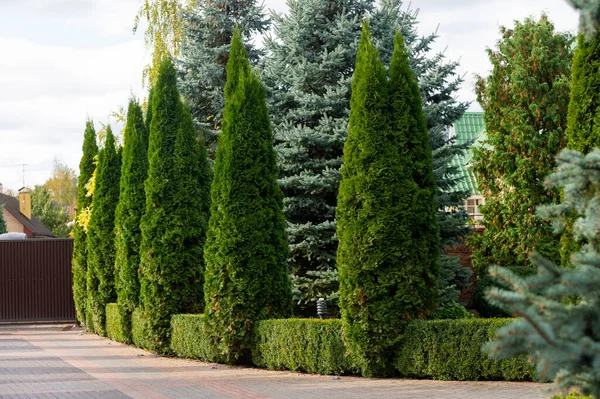
When the goal is height rather than canopy width, Italian Cypress is difficult to beat. Its narrow columnar form creates elegant entrances, formal driveways and privacy screens without occupying valuable ground space.
This explains why it has become increasingly popular in gated communities and high-end residential developments.
Ideal for
- ✓ Driveway lining
- ✓ Formal entrances
- ✓ Boundary definition
- ✓ Mediterranean-style gardens
2026 Price Guide
- Tube seedling: KSh 300–500
- Landscape-ready tree: Around KSh 1,200
Italian Cypress performs best in Kenya’s cooler highland climates including Nairobi, Limuru, Kiambu and parts of Nakuru. Young trees benefit from staking until the root system becomes established. Some of the best choices where vertical impact is more important than broad shade.
Growing conditions
Below are additional coniferous trees you can grow in your compound;
- Fir (Balsam, Fraser, Canaan, Douglas, Grand, Noble or Concolor)
- Pine (White, Scotch or Virginia )
- Spruce (Blue, Norway or White)
- Cypress (Leyland or Arizona)
- Cedar (red)
Natal Mahogany (Trichilia emetica)
Natal Mahogany combines elegant evergreen foliage with exceptional durability, making it one of the best indigenous shade trees for Kenyan landscapes.
As it matures, the tree develops a broad canopy that creates comfortable outdoor spaces while supporting birds and other wildlife.
Why landscapers recommend it
- Dense evergreen canopy.
- Excellent shade.
- Indigenous species.
- Strong ecological value.
2026 Price Guide
- Tube seedling: Around KSh 300
Where it performs best
Suitable for most of Kenya’s medium and high rainfall regions, particularly larger residential compounds, institutions and public parks. A dependable indigenous shade tree that combines aesthetics, resilience and environmental value.
Golden Bamboo (Phyllostachys aurea)
Strictly speaking, Golden Bamboo is a giant grass rather than a tree. However, it deserves a place on this list because it has become one of Kenya’s most popular ornamental screening plants.
Where space is limited, bamboo creates privacy far faster than conventional trees while adding a contemporary landscape aesthetic.
Ideal for
- Boundary screening.
- Modern compounds.
- Noise reduction.
- Urban privacy.
2026 Price Guide
- Clump or seedling: KSh 300–600
Important planting advice
Always confirm you’re buying a clumping bamboo variety. Running species spread aggressively and can become difficult to control once established. Good for homeowners seeking a fast, modern privacy screen, Golden Bamboo is one of the smartest alternatives to masonry perimeter walls.
Bonsai Trees
Bonsai trees are Potted mini trees like the Juniper Bonsai Trees you can market as Christmas or other gift baskets. A bonsai’s tree price ranges from about $100 to several thousand dollars, up to one million. There are also miniature bonsai that can be had for $20-30. You can sell these ones anywhere in the world by shipping and selling them online more easily.
Read Next : Best Fencing Plants In Kenya
Read Next: Which are the most profitable trees to grow in kenya?
Other ornamental trees in Kenya
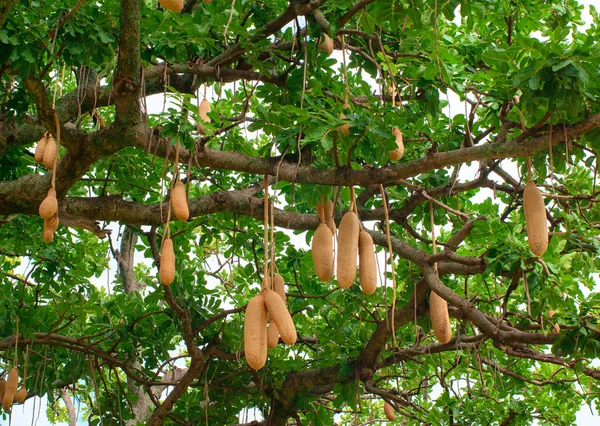
The following were also noted as among the best trees planted for beautification across parts of Kenya. They include sausage tree, bottle brush and the
- Sausage tree – The Sausage tree (Muratina) is a large, deciduous tree that is native to tropical Africa. It has a unique appearance with large, sausage-shaped fruits that hang from the branches, and provides ample shade.
- Yellowwood tree – The Yellowwood tree is a large, slow-growing tree with a spreading canopy that provides ample shade. It is native to southern Africa and is popular for its beautiful yellow wood.
Best Ornamental Trees by Purpose
Not every tree serves the same purpose. Some are planted for shade, others for flowers, privacy, prestige or drought tolerance. Choosing the right tree starts with understanding what you want the landscape to achieve rather than simply buying what looks attractive at the nursery.
Best Shade Trees
If your objective is reducing heat around your home, these species develop broad canopies that cool compounds naturally.
| Tree | Why it stands out |
|---|---|
| Terminalia mantaly | Kenya’s best structured shade tree. Ideal over parking bays and driveways. |
| Grevillea robusta | Fast-growing with filtered shade. Excellent for large compounds and farms. |
| Tipuana tipu | Dense canopy and excellent roadside or avenue tree. |
| Croton megalocarpus | Indigenous, long-lived and low maintenance. |
| Nandi Flame | Excellent shade combined with spectacular flowering. |
Best Flowering Trees
These species provide seasonal colour and become focal points throughout the year.
| Tree | Flower Colour |
|---|---|
| Jacaranda | Purple-blue |
| Nandi Flame | Orange-red |
| Golden Shower | Bright yellow |
| Tabebuia | Pink |
| Royal Poinciana | Scarlet red |
| Markhamia lutea | Yellow |
| Frangipani | White, pink or cream |
Best Trees for Small Compounds
Limited space requires trees with controlled roots and manageable canopies.
- Bottle Brush
- Frangipani
- False Ashoka
- Thika Palm
- Traveller’s Palm
- Areca Palm
These are suitable for standard urban plots where foundations, septic systems and boundary walls are close together.
Best Trees for Luxury Homes
Premium landscaping relies less on quantity and more on architectural statement trees.
- Thika Palm
- Royal Palm
- Traveller’s Palm
- Tabebuia
- Terminalia mantaly
These species dominate high-end residential developments, hotels, office parks and gated communities throughout Nairobi and Kiambu.
Best Indigenous Trees
Indigenous species generally require less maintenance, support biodiversity and adapt better to Kenyan conditions.
- Croton megalocarpus
- Cape Chestnut
- Natal Mahogany
- African Holly
- Markhamia lutea
- Acacia xanthophloea
Best Trees for Dry Areas
For ASAL counties and regions with prolonged dry seasons, drought tolerance is more important than rapid growth.
- Neem
- Acacia xanthophloea
- Grevillea robusta
- Royal Poinciana
- Golden Shower
These species perform well across Kajiado, Machakos, Makueni, Kitui and much of Northern Kenya.
2026 Ornamental Tree Price Guide
Prices vary depending on seedling size, nursery reputation and transport costs.
| Species | Tube Seedling | Landscape Ready |
|---|---|---|
| Grevillea | From KSh 50 | On Request |
| Nandi Flame | KSh 70–500 | Around KSh 480 |
| Jacaranda | KSh 150–600 | Around KSh 900 |
| Terminalia mantaly | KSh 250–800 | KSh 1,500–2,500 |
| Bottle Brush | KSh 200–500 | Around KSh 480 |
| Italian Cypress | KSh 300–500 | Around KSh 1,200 |
| Tabebuia | KSh 400–700 | Around KSh 1,500 |
| Royal Palm | KSh 500–800 | KSh 950–3,500 |
| Areca Palm | KSh 500–800 | Around KSh 1,500 |
| Thika Palm | KSh 500–2,500 | KSh 2,500–4,000 |
Prices reflect typical Kenyan nursery prices as at July–August 2026 and may vary depending on county, transport and tree maturity.
Where to Buy Ornamental Trees in Kenya
Quality matters more than price when buying trees. Healthy seedlings establish faster, survive drought better and require less replacement.
Some of the country’s most reliable suppliers include:
| Nursery | Speciality |
|---|---|
| Plants for Life (Tigoni) | Indigenous trees and conservation species |
| Seedlink Kenya | Wide range of ornamental trees and palms |
| Green Angels | Wholesale landscaping trees |
| Friends of Karura Nursery | Indigenous and urban landscaping trees |
| Roadside Nurseries along Kiambu and Thika Road | Affordable tube seedlings |
Always inspect seedlings before purchase. Healthy plants should have:
- straight stems
- green leaves without yellowing
- no root circling
- no pest damage
- firm root balls
Avoid seedlings that have remained too long in undersized containers as they often become root-bound.
How to Choose the Right Ornamental Tree
Buying the wrong tree can create expensive problems several years later.
1. Match the tree to your climate
Not every ornamental thrives everywhere.
- Highlands — Jacaranda, Italian Cypress, Cape Chestnut
- Coastal Kenya — Royal Palm, Frangipani, Royal Poinciana
- ASAL counties — Neem, Acacia, Grevillea
- Western Kenya — Croton, Markhamia, Natal Mahogany
2. Understand mature size
A 50 cm seedling can eventually become a 20 metre tree.
Always consider:
- canopy spread
- mature height
- root expansion
- distance from buildings
3. Think beyond today’s appearance
Many homeowners choose trees because they flower beautifully at the nursery.
Instead, consider long-term maintenance.
Questions worth asking include:
- Will the roots damage paving?
- How much leaf litter does it produce?
- Does it require frequent pruning?
- Will it interfere with power lines?
- Can it survive prolonged drought?
A tree may remain in your compound for fifty years or more. Choose accordingly.
Common Landscaping Mistakes
The same mistakes appear repeatedly across residential developments.
- Planting large trees too close to buildings;Species such as Jacaranda and Ficus require generous spacing from foundations.
- Ignoring mature canopy width; Small compounds quickly become overcrowded when large avenue trees mature.
- Buying unhealthy seedlings; Cheap seedlings often cost more through replacement and slow establishment.
- Planting beneath power lines; Eventually the utility company will prune the tree heavily, permanently destroying its natural form.
- Choosing trees only because they grow fast; Fast growth is useful, but structure, root behaviour and maintenance costs matter just as much.
Final Thoughts
The best ornamental tree is not necessarily the most expensive or the fastest growing. It is the one that fits your climate, available space and long-term landscaping objectives.
For homeowners, trees such as Terminalia mantaly, Jacaranda, Bottle Brush and Thika Palm continue to offer the best balance between beauty, maintenance and value.
For developers and institutions, investing in quality nursery stock from reputable suppliers pays dividends through higher survival rates, lower maintenance costs and landscapes that continue adding value for decades rather than years.
Whether you are landscaping a home, school, office park or commercial development, selecting the right tree at planting stage remains one of the most important decisions you will make.
I’m learning more about it