

How to Preserve Cereals and Pulses in 2025
By Samuel | Published | 8 Comments
Are you looking for the best and cheapest ways to preserve cereals and pulses? Whether you are a farmer, a trader, or a consumer, this post will help you. It will show you how to store dry foods effectively.
In this post, we give you the best 5 food storage facilities for dry cereals in Kenya. Apart from being cheaper, these solutions eliminate the need for toxic preservatives, keeping your food fresh, of high quality, and free of moisture. Whether you’re dealing with maize, beans, rice, millet, or any other grain, these methods will protect your investment and ensure your family eats safe, nutritious food.
You can use these cheap food storage facilities at home or in a business as a trader. Small-scale farmers can preserve their harvest for months without losses. Shop owners and cereal traders can maintain stock quality while maximizing profits. Even households can buy grains in bulk during harvest season when prices are low and store them safely throughout the year.
The best part? These storage solutions are affordable, readily available in Kenya, and proven to work. You won’t need expensive chemical treatments or worry about pests destroying your cereals and pulses. Read on to discover which storage method suits your needs and budget.
In This Post
Why Do I Need to Store Dry Foods?
Farmers and traders in Kenya lose 30 to 50% of their maize, beans, or other dry foods. There are many causes of post-harvest food losses in the country. The key ones are storage pests such as bugs, weevils, grain borers, and rodents. Others are food spoilage due to exposure to moisture, aflatoxins, or floods.
Related: Do Cereals Business in Kenya Make Money?
The best ways to Store Cereals and pulses at Home
As an alternative to gunny bags and pesticides, you can use airtight and moisture-proof products. The five alternatives available in Kenya are hermetic storage bags, hermetic cocoons, silos, steel canisters, and food storage containers.
Hermetic storage bags
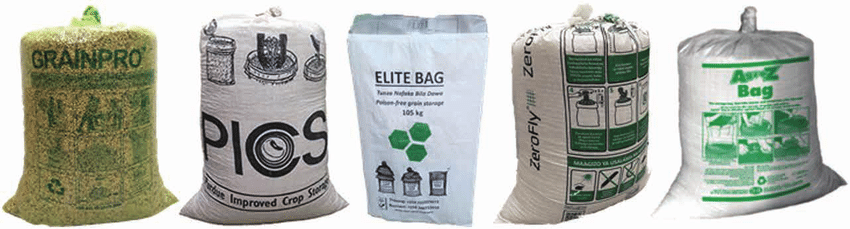
The use of hermetic storage bags is an emerging trend in food waste management. It can preserve dried maize, beans, cowpeas, green grams, sorghum, millet, and other cereals without the use of insecticides. This cheap technology is ideal for farmers and traders in Kenya who produce purchase and store maize for later use in the season.
The bag has two layers for better resistance against moisture, air, and pests. Pack your grains into the innermost air-tight plastic bag. Tie it tight with an unbreakable string or wire to make it air or moisture-proof. The sealed bag can reduce oxygen levels from 21% to 5%. Lack of oxygen can reduce live insects like weevils to less than 1 insect/kg of grain. It also creates unfavorable conditions for pest multiplication.
Pros of using hermetic technology
- Store grains for up to 24 months (2 years) while keeping their qualities such as flavor and moisture loss.
- The bags are reusable.
- Eliminates the need for pesticides or fumigants to treat the stored rice, corn, beans, paddy, milled rice, and other cereal crops. making it fit human consumption.
- Cheaper compared to metallic or plastic silos. The price of a 50-100 kg hermetic bag price in Kenya is around Ksh 200.
- It increases your farming income as you can sell grains when prices are high during the shortage season.
- Seed viability is greatly extended with hermetic storage.
Mini silos
Mini silos are air-tight storage canisters. They are ideal for storing cereals for domestic use. They are made of plastic, wood, glass, or stainless steel. They are available in different capacities like 1500kg, 1200kg, 1000kg, 700kg, 500kg, 350 kg, 250 kg, and 100 kg. You can buy one that suits your needs.
They can keep your cereals safe from leaking roofs, rodent invasion, and torn packaging bags. In this article, we look at steel and plastic ones.
Steel Canisters
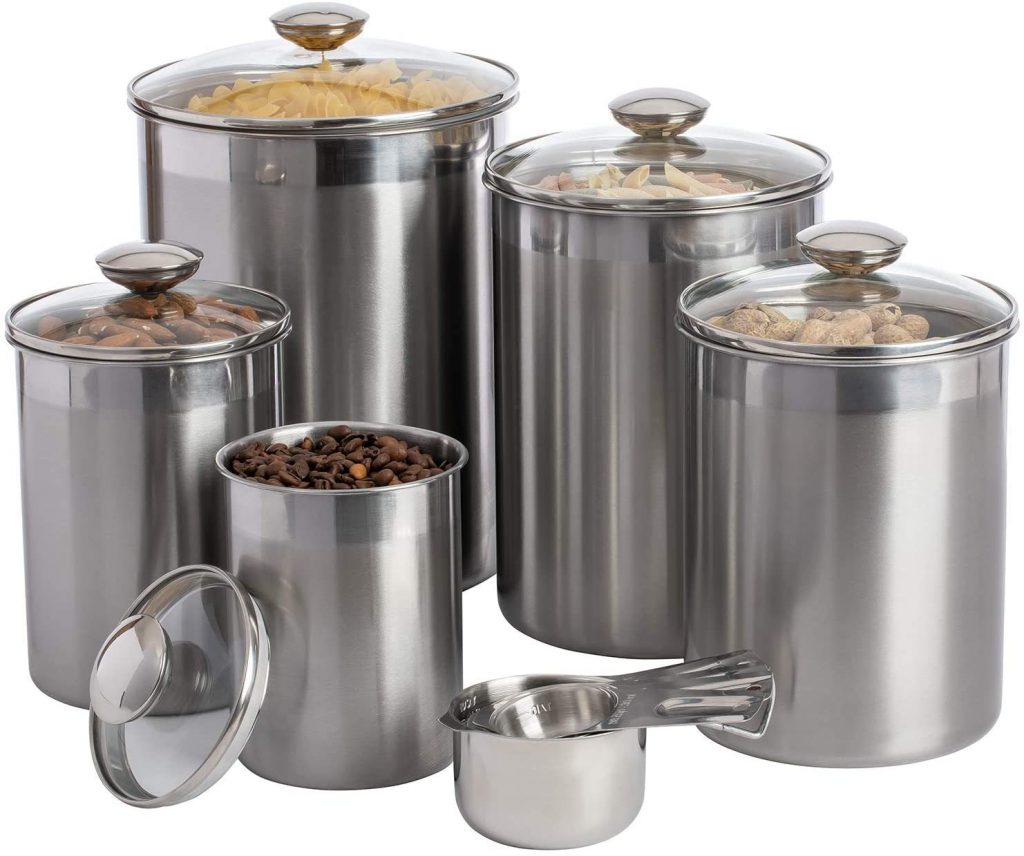
The metallic ones are made of galvanized steel sheet, 0.5 mm thick, and soldered with tin to be purely hermetic. A silo has two openings; on top to fill the grain and an outlet on the side. The silos’ openings are closed with a lid which has rubber band seals.
Always place the silos in a protected area from rain and sun in a granary, storage room, or a room inside the house.
Do not place them directly on the floor but place them on a wooden platform at least 15 cm above the ground level.
Pros of using metallic mini-silos.
- Long lifespan of up to 20 years.
- They have variety and are affordable to various people as they come in different capacities
- You can store grains for over one (1) year ensuring food availability throughout the year.
- Reduces your food losses by up to 15% rate and you can enjoy a stored market gain of around 50%.
- It increases your farming income as you can store and sell products when prices are high during the lean season.
Store shelled, clean, and sun-dried grains. Treat the grains with a fumigant before putting it in the silo. You should check the grain condition from time to time.
Food Containers
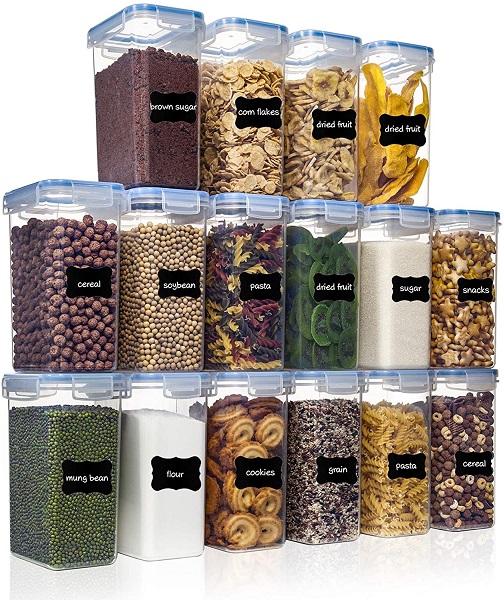
Are appropriate for consumers at home for storing grains (rice, grams, and beans), flour, and other dry food components at home.
They cut down on food loss and wastage by keeping it dry and safe. Plastic containers are available in various shapes, makes, and sizes.
Containers are a great addition to your food storage, deco, and kitchen arrangement. Some are transparent, allowing you to check your food’s condition without opening. You can get them in sets of 3, 4, 6, or 10 containers.
Hermetic Cocoons
These are ideal for bulk grain handlers like maize wholesalers. They can hold 5 to 300 metric tons of produce. You will use them together with gunny bags or the common sacks. The one shown above consists of two plastic halves. They are joined by an air-tight zipper after the cocoon is loaded with sacks of the commodity to be stored.
Cocoons work like hermetic bags by limiting aeration. Besides, they can also keep grains safe from floods if water does not reach the zipper line.
Best Tips for Grains Storage
Below are our 3 best tips on grains storage. It focuses on how to dry your food well, where to buy hermetic bags, and the best online stores to buy quality food containers in Kenya.
How to dry your Maize grains adequately before storage
Before storing grains in moisture-proof storage, ensure you have dried them to the right moisture content of 12 to 14 % for most grains.
Moisture causes cereals and pulses like maize and beans to decay, get decolorized, or be contaminated by deadly poisons like aflatoxin. It can happen if it was poorly dried before storage or exposed while on the farm, during transit, or during storage.
There are two hygienic methods of drying maize in Kenya.
- Solar or Sun-drying for around 3 days. Ensure you dry the grain seeds on top of waterproof canvases.
- Use of a commercial dryer (heated air, in-store drying, or grain cooling) either on-farm or offsite.
Do not mix grains maintained at different MCs to avoid seed cracking. To check on the grain’s moisture content (MC). Use handheld grain moisture or digital testers to avoid over-drying and decrease your yield weight.
Where to buy hermetic bags in Kenya
You can buy hermetic bags from local shops or import them by ordering online.
The following brands are available for sale in all leading Kenyan towns like Mombasa, Nairobi, Nakuru, and Eldoret.
- Purdue Improved Crop Storage (PICS),
- Grain Pro
- Super Grain
- Zero fly
- Agro Z
- Elite bag
Consumers can get the Kraft Paper Flat Base Hermetic Bag- Zipper Pouches for packing powder like flour and other grains. If you prefer something you can reuse, go for the multifunctional Reusable Silicone Food Storage Bags, they are leakproof, extra thick Hermetic Reusable Bags.
Agcenture does not approve of any brand as superior to others. The efficiency of the bag will depend on you following the supplier’s instructions.
Where to buy the best airtight grain containers
You can find airtight food containers for sale in your local stores. If you cannot find a desirable make or size there, look for one in a leading online store like Amazon or eBay.
Here’s the detailed section and comparison table to add to your post:
Other Methods of Preserving Cereals and Pulses in Kenya
While the five storage solutions above are the most effective and affordable, Kenyan farmers and traders also use other preservation methods. Here’s a comprehensive guide to these alternatives:
Traditional Methods (Low-Cost Options)
1. Ash Treatment
Mixing wood ash with grains is one of the oldest preservation methods in Kenya. The ash works by absorbing moisture and creating an alkaline environment that repels weevils, grain borers, and other storage pests.
How to Use:
- Use clean, dry wood ash (preferably from hardwood)
- Mix 1 part ash to 10 parts grain (1:10 ratio)
- Ensure the ash is completely cool before mixing
- Store the mixture in airtight containers or bags
Pros:
- Completely free if you cook with firewood
- No chemical residues
- Readily available in rural areas
- Effective against most storage pests
Cons:
- Grains need thorough washing before cooking
- Ash can discolor white grains
- Not suitable for commercial sales as grains look dirty
- Less effective in very humid conditions
Best For: Subsistence farmers storing grains for home consumption
2. Neem Leaf Application
Neem (Mwarubaini in Swahili) is a natural pesticide that has been used for centuries. The leaves contain compounds that repel and kill storage pests without harming humans.
How to Use:
- Collect fresh neem leaves and dry them completely in the shade
- Layer dried leaves between every 10-15 cm of grain
- Use approximately 50-100 grams of dried leaves per 50 kg of cereals
- Replace leaves every 3-4 months for long-term storage
Pros:
- 100% natural and safe for consumption
- Neem trees grow freely in many parts of Kenya
- Also repels rodents due to the bitter smell
- No need to wash grains before cooking
Cons:
- Neem trees not available in all regions
- Leaves must be completely dry to avoid mold
- Less effective against heavy infestations
- Labor-intensive for large quantities
Best For: Organic farmers and home storage (50-500 kg)
3. Sand Mixing
Dry river sand mixed with grains creates a physical barrier that prevents pests from moving freely and suffocates insect eggs and larvae.
How to Use:
- Use clean, dry sand (preferably river sand)
- Sieve the sand to remove stones and debris
- Mix 1 part sand to 4 parts grain (1:4 ratio)
- Store in tight containers or bags
Pros:
- Very cheap and readily available
- Effective against weevils and moths
- Can store for 6-12 months
- Sand can be reused after sieving
Cons:
- Very labor-intensive to separate sand from grains
- Adds significant weight for transport
- Not practical for commercial traders
- Sand must be completely dry
Best For: Emergency storage or very small quantities at home
4. Traditional Raised Granaries
Elevated wooden or bamboo structures built on stilts are common in Western Kenya, Coast, and some parts of Central Kenya. They protect grains from ground moisture, floods, and rodents.
Construction:
- Built 1-2 meters above ground on wooden or stone pillars
- Walls made from bamboo, reeds, or wooden planks
- Thatched grass roof for ventilation
- Metal sheets wrapped around support poles to prevent rats from climbing
Pros:
- Can last 10-20 years with good maintenance
- Natural ventilation prevents moisture buildup
- Suitable for large quantities (500 kg – 2 tons)
- No electricity needed
Cons:
- Initial construction cost (KSh 15,000 – 50,000)
- Requires regular maintenance
- Vulnerable to termites and rot
- Not completely pest-proof without additional treatments
Best For: Rural farmers with large harvests and space for construction
5. Smoking/Smoke Treatment
Exposing grains to smoke from burning specific woods or herbs kills existing pests and creates a protective coating that deters new infestations.
How to Use:
- Spread grains on raised platforms or in baskets
- Generate smoke using hardwood, neem, or eucalyptus
- Expose grains to smoke for 1-2 hours
- Stir grains regularly for even coverage
- Store immediately after cooling
Pros:
- Kills all life stages of pests (eggs, larvae, adults)
- Creates a protective layer
- Traditional method with proven effectiveness
- No chemical cost
Cons:
- Can alter the taste and smell of grains
- Requires proper ventilation to avoid toxic smoke exposure
- Labor-intensive
- Not suitable for grains meant for selling
Best For: Home storage in areas where smoking structures already exist
Modern/Commercial Methods
6. Cold Storage/Refrigeration
Storing grains at temperatures below 15°C stops pest development and reproduction. Commercial cold storage facilities are available in major towns like Nairobi, Mombasa, Kisumu, and Eldoret.
Specifications:
- Ideal temperature: 10-15°C
- Relative humidity: 50-60%
- Grains must be at 12-13% moisture before storage
Costs:
- Commercial cold storage: KSh 50-150 per 90kg bag per month
- Small refrigerated containers: KSh 200,000 – 500,000 to purchase
Pros:
- 100% effective against all pests
- No chemical treatments needed
- Maintains grain quality and germination rates
- Suitable for seed storage
Cons:
- Very expensive for small farmers
- Requires constant electricity
- Not available in most rural areas
- High operational costs
Best For: Large-scale traders, seed companies, and exporters
7. Vacuum Sealing
Removing air from storage bags creates an oxygen-free environment where pests cannot survive.
How to Use:
- Use vacuum sealing machines (available in Nairobi from KSh 8,000)
- Pack grains in special vacuum bags
- Seal and remove all air
- Store in cool, dry place
Pros:
- Very effective for small quantities
- Grains stay fresh for 1-2 years
- No chemicals needed
- Maintains grain quality
Cons:
- Expensive vacuum bags (KSh 50-200 each)
- Limited capacity (usually 1-10 kg per bag)
- Requires electricity
- Not practical for large-scale storage
Best For: Home use, seed storage, premium grain products
8. Modified Atmosphere Storage
Replacing oxygen with nitrogen or carbon dioxide kills pests by suffocation while preserving grain quality.
How It Works:
- Grains sealed in airtight containers
- Oxygen replaced with nitrogen gas (98-99% purity)
- Pests die within 7-14 days
- Grains remain pest-free as long as seal is intact
Costs:
- Nitrogen gas cylinder: KSh 15,000 – 25,000
- Gas refills: KSh 3,000 – 5,000
Pros:
- No chemical residues
- Excellent for organic certification
- Maintains grain quality and germination
- Effective against all pest types
Cons:
- Requires specialized equipment
- High initial investment
- Not widely available in rural Kenya
- Requires technical knowledge
Best For: Organic farmers, exporters, seed producers
9. Solar Disinfection
Using the sun’s heat to kill pests before storage. The solar heat method works best in hot, dry regions of Kenya like Eastern, North Eastern, and parts of Rift Valley.
How to Use:
- Spread grains on black plastic sheets or metal surfaces
- Expose to direct sunlight for 2-4 hours (surface temperature should reach 50-60°C)
- Stir every 30 minutes for even heating
- Store immediately in airtight containers while still warm
Pros:
- Completely free
- No chemicals or equipment needed
- Kills 90-95% of pests and eggs
- Can be combined with other methods
Cons:
- Weather-dependent
- Labor-intensive for large quantities
- Some grains may crack in extreme heat
- Not effective against reinfestation
Best For: Pre-storage treatment in sunny, dry seasons
10. Diatomaceous Earth (DE)
Food-grade DE is a fine powder made from fossilized algae. It kills insects by damaging their protective coating, causing dehydration.
How to Use:
- Use only food-grade DE (not pool grade)
- Mix 1 kg DE per 100 kg of grain
- Wear a dust mask during mixing
- No need to remove before cooking
Availability in Kenya:
- Available from agrovets in Nairobi, Nakuru, Eldoret
- Cost: KSh 500-1,000 per kg
- Brands: Various imported and local suppliers
Pros:
- Safe for humans and animals
- Long-lasting protection (12+ months)
- Effective against all crawling insects
- Works in all climates
Cons:
- Can be expensive for large quantities
- Not widely available in rural areas
- Must be thoroughly mixed
- Can cause respiratory irritation during application
Best For: Farmers and traders seeking organic pest control
Other Storage Containers
11. Plastic Drums/Jerrycans
Empty 20-liter jerrycans or 200-liter drums are widely available and make good small-scale storage containers.
Specifications:
- 20-liter jerrican: stores 15-18 kg of grains (KSh 300-500 new)
- 200-liter drum: stores 150-180 kg (KSh 2,000-3,500 new)
- Must be food-grade plastic
Pros:
- Airtight when properly sealed
- Moisture-proof and rodent-proof
- Easy to transport
- Can be reused for years
Cons:
- Limited capacity
- Can crack in hot sun
- Not ideal for very long-term storage (6-12 months max)
- Used drums may have chemical residues
Best For: Home storage, small traders, mobile vendors
12. Metal Bins
Galvanized metal bins with tight-fitting lids are durable and provide excellent protection.
Specifications:
- Available sizes: 50 kg to 500 kg capacity
- Cost: KSh 5,000 – 25,000 depending on size
- Should have rubber seal on lid
Pros:
- Very durable (20+ years)
- Rodent-proof and insect-proof
- Can be placed outdoors under shade
- Easy to clean and maintain
Cons:
- High initial cost
- Heavy and not portable
- Can rust if not galvanized
- Gets hot in direct sun
Best For: Posho mills, hotels, institutions, medium-scale traders
13. Underground Pits
Traditional storage method in some pastoral communities in Northern Kenya. Grains stored in lined pits below ground level.
Construction:
- Dig pit 1-2 meters deep
- Line with plastic sheets or grass
- Fill with grains
- Seal with soil and mark location
Pros:
- Cool temperatures preserve grains
- Protection from theft
- No construction materials needed
- Suitable for very large quantities
Cons:
- Risk of flooding and moisture damage
- Difficult to access for partial removal
- Rodent infestation if not properly sealed
- Grains can develop off-flavors
Best For: Emergency storage in very dry regions only
Comparison Table: All cereals Storage Methods
| Method | Cost (KSh) | Effectiveness | Capacity | Durability | Best For |
|---|---|---|---|---|---|
| Hermetic Bags | 200-800 | Very High (95-100%) | 25-100 kg | 3-5 years | Farmers, Traders, Home |
| Mini Silos | 15,000-80,000 | Very High (95-100%) | 500-2,000 kg | 10-15 years | Medium/Large Farmers |
| Steel Canisters | 3,000-15,000 | High (90-95%) | 50-200 kg | 15-20 years | Home Use, Small Traders |
| Food Containers | 500-3,000 | High (85-90%) | 5-50 kg | 5-10 years | Home Use |
| Hermetic Cocoons | 30,000-150,000 | Very High (98-100%) | 1-10 tons | 5-10 years | Large-scale Storage |
| Ash Treatment | 0-100 | Medium (60-75%) | Any | Single Use | Subsistence Farmers |
| Neem Leaves | 0-200 | Medium (65-80%) | Any | 3-4 months | Organic Farmers, Home |
| Sand Mixing | 0-500 | Medium (60-70%) | Small quantities | Single Use | Emergency Storage |
| Raised Granaries | 15,000-50,000 | Medium (70-80%) | 500-2,000 kg | 10-20 years | Rural Farmers |
| Smoke Treatment | 0-500 | Medium (70-80%) | Any | Single Use | Traditional/Home Use |
| Cold Storage | 50-150/bag/month | Very High (100%) | Unlimited | Rental | Large Traders, Exporters |
| Vacuum Sealing | 8,000-50,000 | Very High (95-100%) | 1-10 kg | 2-5 years | Home, Seeds, Premium |
| Modified Atmosphere | 20,000-100,000 | Very High (98-100%) | 100-5,000 kg | 10+ years | Organic, Seed Producers |
| Solar Disinfection | 0-1,000 | Medium (70-85%) | Any | Pre-treatment only | Pre-storage Treatment |
| Diatomaceous Earth | 500-1,000/100kg | High (85-95%) | Any | 12+ months | Organic Pest Control |
| Plastic Drums | 300-3,500 | High (85-90%) | 15-180 kg | 5-10 years | Home, Small Traders |
| Metal Bins | 5,000-25,000 | High (90-95%) | 50-500 kg | 20+ years | Institutions, Traders |
| Underground Pits | 0-2,000 | Low (40-60%) | Large quantities | Single Use | Emergency (Dry Areas) |
Which Method Should You Choose?
For Small-Scale Farmers (less than 10 bags):
- First choice: Hermetic bags
- Budget alternative: Plastic drums + neem leaves
- Traditional option: Ash treatment + proper containers
For Medium-Scale Farmers (10-50 bags):
- First choice: Mini silos or hermetic cocoons
- Alternative: Multiple hermetic bags
- Pre-treatment: Solar disinfection + hermetic storage
For Traders/Businesses:
- First choice: Hermetic cocoons or metal bins
- Premium option: Cold storage (rental)
- Organic option: Modified atmosphere + diatomaceous earth
For Home Consumers:
- First choice: Food containers or small hermetic bags
- Budget option: Plastic jerrycans + neem leaves
- Small quantities: Vacuum sealing
Remember: The best results come from combining methods. For example, use solar disinfection before storage, store in hermetic bags, and add neem leaves for extra protection. Proper drying to 12-13% moisture content is essential regardless of which method you choose.
FAQs on Long-Term Grain Storage
Which cereals and pulses are suitable for long-term storage?
The best grains for long-term storage include:
- Wheat: Hard white and hard red varieties can last up to 30 years.
- Rice: Both white and brown rice can be stored for 25-30 years.
- Corn/Maize: Dried corn typically lasts around 10-15 years.
- Barley: Pearled barley has a shelf life of about 10 years.
- Quinoa, Millet, and Amaranth: These grains can last 5-10 years when stored properly.
- Rye and Sorghum: Also suitable for long-term storage.
How long can cereals be stored?
Grains can generally be stored for 5 to 30 years, depending on the type and storage conditions. Proper storage techniques, such as using airtight containers and maintaining a cool, dry environment, are essential for maximizing shelf life.
How much cereals and pulses should I store for a family of four?
For a family of four, it is recommended to store approximately 600 pounds of grain, which equates to about 150 pounds per person. This amount ensures a sufficient supply of staple foods over an extended period.
What are the best tips for storing grains long-term?
- Use Airtight Containers: Store grains in airtight containers to prevent moisture, air, and pests from entering.
- Keep in a Cool, Dry Place: Ideal temperatures are between 50-70°F, away from direct sunlight and humidity.
- Rotate Your Stock: Use the first-in, first-out (FIFO) method to ensure older grains are used first.
- Consider Oxygen Absorbers: Adding oxygen absorbers can help extend the shelf life of stored grains.
- Avoid Storing Flour Long-Term: Whole grains last longer than flour; consider grinding as needed.
8 Responses
Leave a Reply
Latest posts





[…] on their prices, availability or use. Some of the cheap ones for small scale maize farmers are; Hermetic bags and airtight containers. Medium traders can buy freezers and chillers for perishable products or mini silos for […]
[…] an acre. It assumes you will store maize and only sell later when prices have increased. The use of hermetic-bags is a cheap method of storing maize for a long time without using toxic […]
[…] use of hermetic-bags is the cheapest method to reduce post-harvest maize losses. The bags are moisture, pest and […]
[…] Storage: buy airtight and moisture-proof hermetic bags and small silos to store grains dry and free of storage pests. Besides, lower costs of operation by […]
[…] during their harvest periods. It will save your budget by reducing the cost per Kg. Store them in hermetic containers and bags to prevent them from destruction from pests and moisture. Perishable produce like fish, meat and […]
[…] Related: How to store your cereals for long without Toxic chemicals […]
[…] during their harvest periods. It will save your budget by reducing the cost per Kg. Store them in hermetic containers and bags to prevent them from destruction from pests and moisture. Perishable produce like fish, meat and […]
I want to construct a farm tool storage cum cereal store. Can you advise.