In this post, we give you 13 integrated pest management or IPM methods in crop protection.
Pests and diseases are a huge threat to food security and income generation for many farmers. They ruin crops and livestock yields before or after harvests. The overall effect is farming losses as a result of low yields of poor quality. To secure your harvests and income, pest control is a must. You can apply pesticides or observe integrated pest management (IPM) methods as an affordable option.
Some methods popular in Kenya are planting pest-resistant seed varieties, practicing crop rotation, and using greenhouses among others.
Why do you need to Adopt IPM?
The most effective method of pest control is the spraying of chemical pesticides and herbicides. However, it is linked with various challenges; it is expensive for small-scale farmers. It has direct and indirect human health and food safety issues for farmers, applicators, and consumers. Finally, high chemical residues raise environmental concerns for air, land, and water contamination.
The above challenges have led to the exploration of alternative pest control measures. organic farming and IPM are the most famous in Kenya. In this post, we discuss how small-scale farmers can use 13 non-chemical pest control methods to cut their cost of production. They can plant resistant seed varieties, practice crop rotation, and use greenhouses among others.
Post-harvest sanitation
The remaining plant materials after harvest can offer shelter and food to pests. They will lie low and attack in the next season. To avoid this, plow in, burn, remove and collect any fallen fruits. They will sanitize your farm, leaving it free of hibernating and metamorphosing pests such as powdery mildew (melon) and black moth (cabbage)
Land preparation

You can use correct land preparation to control pests’ infestation as follows;
- Breaking soils allows for vigorous or healthy plant growth. This is because roots can penetrate easily, getting adequate water and nutrients. Healthy plants are less susceptible to pest and disease attacks.
- Tilling, plowing and harrowing promote soil drainage that reduces nematode levels in soils. It also destroys weed seeds, insect pupae, and eggs laid under the surface as you expose them to the sun and other predators.
However, excessive tillage can promote soil erosion and reduce the availability of organic matter and water retention.
Practice Crop rotation
Entails successfully growing a series of different crop types each season in the same land parcel. As a proven pest control measure. It reduces the building up of soil pests and pathogens such as nematodes, weeds, bacterial wilt and root rots
An example of four (4) year crop rotation cycle a smallholder farmer can adopt is growing a grain or cereal plant in year one and a legume crop in year two. On the third year plant, a brassica family plant and on the fourth year grow a nightshade family plant.
We provide examples of each crop family as shown in the chart below;
- Year/season one: Cereals (maize, millets, sorghum etc.)
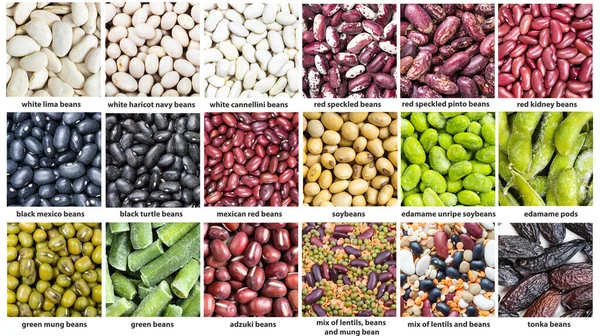
- Year/season two: Legumes (beans, chickpeas, cowpeas, grams, peas, pigeon peas, etc.)
- Year/season three: Leaf crops (broccoli, cabbages, cauliflowers, kales, spinach, etc.)
- Year/season four: Root crops (carrots, beetroots, potatoes, onions, radishes, turnips, etc.)
Other advantages of crop rotation are controlling soil erosion and improving soil fertility through the nitrogen fixation process.
Plant Certified seed and clean planting materials
Always use the certified seed in your farm for high quality yields. These are free from diseases and weed seeds. You can also buy seed varieties with improved tolerance to specific pests or diseases. These crop cultivars are genetically modified to enhance their resistance to some pest and disease attacks.
During transplanting, you can transfer pests and diseases from contaminated nursery beds. To avoid this, ensure the seedbed is insects and nematode free to avoid transferring them to the main field you can;
- Treat your soils after carrying a soil analysis. You can DIY at home using a digital soil test kit. There are a variety of cheap soil test kits you can order online here.
- Import clean or treated soils from a clean source (forests or virgin land) for propagation.
- Use alternative growing media rather than soil. The most popular in Kenya are coco peat, peat moss, pumice and sawdust.
- Use recyclable seedling trays to propagate seeds on raised seedbeds. Preferably this should be done in a seed propagation tunnel.
For other non-seed propagation plants, ensure that cuttings, vines, tubers are free of pests and diseases. The common ones to check are weevils, mites, aphids and nematodes.
Companion cropping
Beneficial inter-cropping is effective in pest control. It involves planting trap crops, flower plants, strong-smelling crops and beneficial plants;
- Inter-crop beneficial plants that assist each other. An option is planting sister crops such as maize and desmodium famous in the push and pull weed control method. Another option is planting corn/maize, beans, and pumpkins.
- Grow trap/sacrificial crop at the edges of your garden to attract pests away from the main crops. The pests have a higher preference for feeding on trap crop, leaving the “undesirable” value crop alone. Examples of barrier crops are basil which repels whiteflies and nasturtium which attracts aphids.
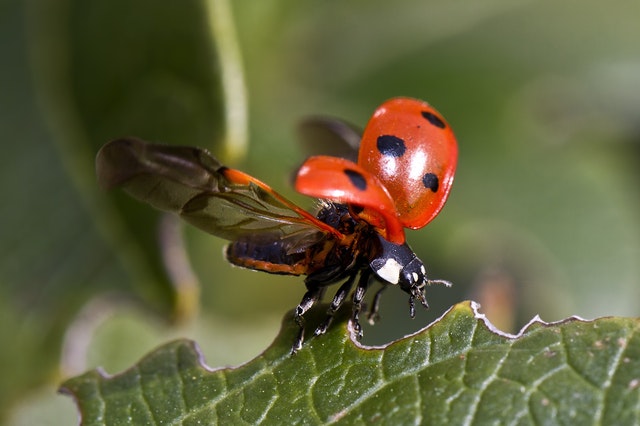
- Plant flower crops such as sunflower to attract beneficial insects such as bees and ladybugs. Ladybirds feed on aphids reducing their damage on crops.
- Plant strong-smelling crops on your field edges to deter pests away from the plants. Examples are onions, garlic, rosemary and basil to confuse pests.
Timely planting

“There is a time for everything under the sun, including a time to plant and a time to harvest.” Establishing your crop at the right time promotes healthy plant growth. Early crops are free of attack by major pests, unlike late crops. The late crops run a risk of water scarcity as a delay in planting might find the seasonal rains have passed. To ensure you are control pests, ensure uniform planting with other farmers in the region. To do this, adjust your planting dates to reflect your zones planting and harvesting calendar.
Observe proper plant Spacing
Where plants are over-crowded, they grow weak and unhealthy from poor nutrition and sunlight competition. This makes them vulnerable to pest attacks. Close plants allow for thriving pest populations and disease spread from plant to plant. This is established in the case of aphids and whiteflies (cotton), blight (tomatoes), downy mildew (cucumbers) and cottony pod rot (beans).
Get the right recommendation to space your plants as per the right agro-ecological zone. This information is provided by extension officers and sales representatives from input suppliers.
Timely Weeding and Thinning of excess seedlings
Weeds and excess seedling compete with your crops for sunlight and limited water and nutrients. This makes your plants unhealthy, weaker and more vulnerable to pest attacks. Weeds can cause stunted growth for slow-growing plants. They can harbour pests such as rodents that later attack your plants and reduces your final yields. For these reasons, thin out excess seedlings and weed your farm on time.
Adequate fertilizer application
Aim for the recommended fertilizer application rate for each crop to replenish your soil nutrients for higher yields. Wrong timing or excessive application can promote dense plant growth that will encourage aphids, whitefly, mildew and blight. To avoid these, you should consider;
- Soil testing or analysis to establish your soil nutrient needs. You can either outsource this service or DIY using cheap digital soil testers. You may require the services of an agronomist to get the right fertilizer advice.
- Practice precise fertigation by matching fertilizer application to your soil needs and crop type. This saves you crop nutrition costs for higher profits.
Correct Irrigation
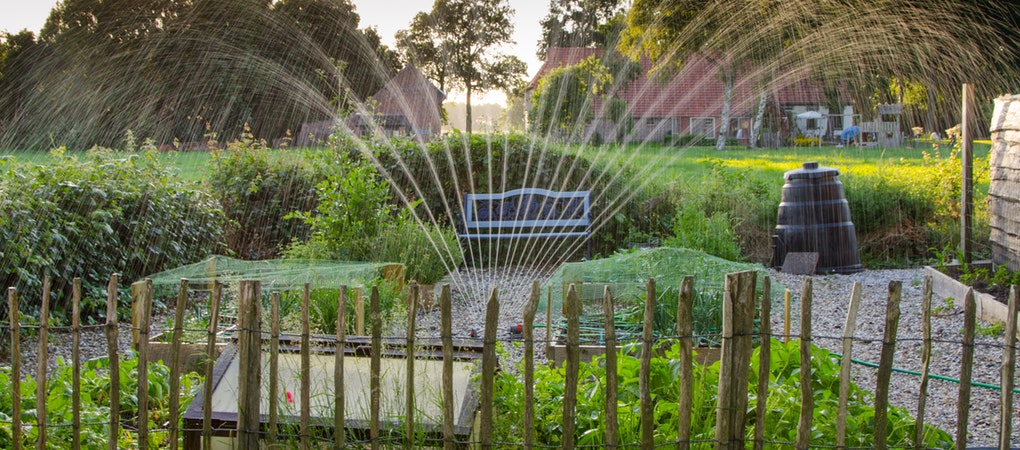
Excess water from irrigation or rain promotes high vegetative growth that can encourage pests and diseases spread like blight and nematodes. Inadequate water can also encourage the spread of pests like spider mites (tomato) and powdery mildews (kales). If you use contaminated irrigation water. It will introduce pests and weed seeds to your crops. Surface, overhead and sprinkler irrigation methods can promote pest and disease spread through splashing, overspread wetting on land surface and high humidity.
To use correct irrigation as a measure for pest control.
- Ensure your water is free from contamination from sewage, heavy metals or pathogens. DIY quality testing is cheap using the readily available water quality test kits.
- Establish a drip irrigation kit on your farm. This will deliver water right at the plant zone instead of wetting the whole field. As the water drips on the roots, it does not spread pests associated with overhead irrigation.
- Practise precise irrigation to deliver water at the required rates and time. This may require investment in subsurface and surface moisture sensors to trigger irrigation.
Prune excess branches and remove infested branches
Aphids, whiteflies, caterpillars, blight and mildew are pests and diseases that prefer humidity, low air circulation and shade. To discourage them, prune the excess branches to allow for free air circulation, light penetration and low humidity.
During low infestation phases, you can control pest and disease spread through removal (pruning, uprooting) of infested plants and branches. This is an effective method in control of cottony scales (mangoes). Take the infested parts far from the field and burn them far from the field to control further spread.
You must observe caution to see that you do not injure the plant while pruning. Invest in pruning knives and scissors.
Protected agriculture
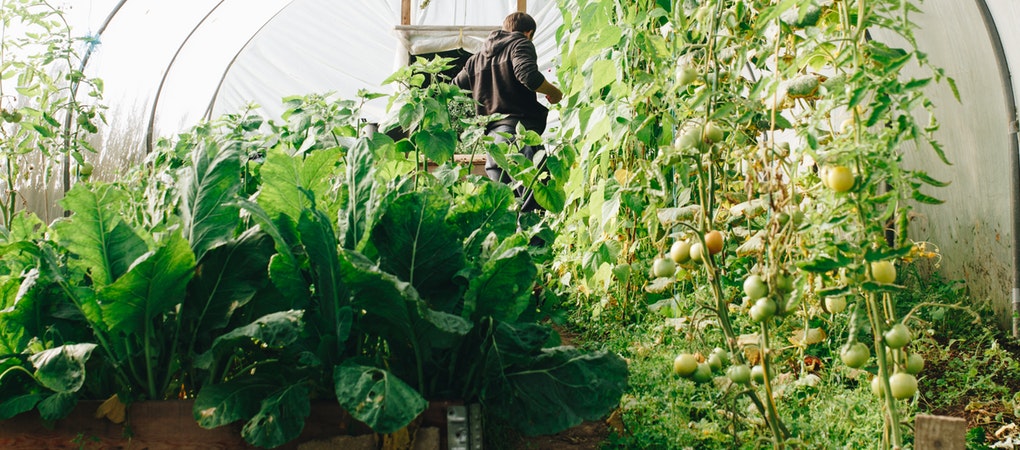
The best way to deal with adverse environmental conditions is by growing plants in a controlled environment. You would grow crops in a green or a net house. Inside the greenhouse, your crops grow under a micro-climate condition where moisture, temperatures and wind are monitored. A greenhouse can cut the use of pest control products by over 60%.
Open field cultivation exposes plants to conditions that are favourable for pest infestations. Examples are;
- Sun scorching on crop leaves promotes early blight and downy mildew infestations.
- Dust settling on leaf surfaces offers a conducive environment for spider mite development.
- Wind can cause physical damage to crops or dislodge branches making plants susceptible to pest and disease attack.
- Excessive rainfall raises humidity that promotes an environment for disease spread.
Coordinated control
You may be effective in controlling pests on your farm. However, if your neighbour is not doing a similar job, your efforts are in vain as pests will keep coming into your farm from his. You need to have a coordinated control program with your neighbours for your non-chemical pest control measures to be beneficial.