

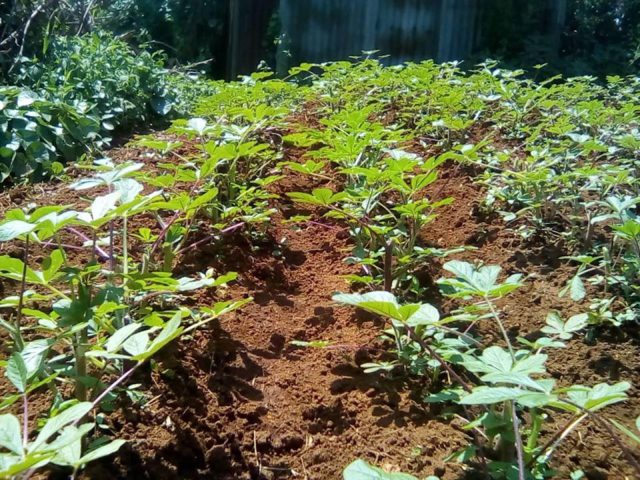
Are you looking for the best traditional, or African leafy vegetables in Kenya?There is a high and growing demand for Kenya’s indigenous vegetables, or “mboga kienyeji vegetables as they are commonly known. The key ones include amaranth (Terere), spider plant (Sagaa), and African nightshade (managu) among others.
They are rich in flavor and are packed with essential nutrients that boost your health. There are many benefits of growing ALVs such as fighting malnutrition, improving health and immunity, as well as supporting sustainable cash crop or commercial farming. You can grow the traditional vegetables as food crop in your kitchen garden or grow them as a cash crop for sale.
In this post, get a list of the best kienyeji vegetables in Kenya. The list focusses on the most profitable and healthy that you can grow for for your family or selling.
Expand Table of Contents
Which are the Best Kienjeji vegetables in Kenya?
Kenya has around 210 species of African indigenous vegetables. About 20 of them are popular across the entire country. On the other hand, others are unique in a given community.
Each of Kenya’s 55 tribal communities in Kenya have a favorite set set of traditional vegetables they enjoy. The list has the African traditional vegetables for major communities in Kenya. We have given you the English common name, the botanical scientific name and the local names used by the communities
| English | Botanical Name | Kikuyu | Luo | Kisii | Kipsigis |
|---|---|---|---|---|---|
| Amaranth | Amaranthus Dubius | Terere | Ododo | Emboga | Kelichot |
| Cowpeas | Vigna Unguiculata | Mathoroko | Alot’bo | Egesare | kunde |
| Nightshade | Solamon Nigrum Complex | Managu | Osuga | – | Isoiyot |
| Spider Plant | Cleome Gyandra | Thageti | AlotDek | Chinsagga | Saget |
| Crotalaria | Crotaralia Ochroleuca | – | Mitoo | – | Kipkururiet |
| Jute Mallow | Corchorus Olitorius | – | – | omotere | – |
| Pumpkin | Curcubita Maxima | Marenge | – | Risosa | – |
The kikuyu traditional vegetables are Terere, managu, Mathoroko, Thageti, Kanyuria, Thabai among many others. The Luo traditional vegetables on the other hand are Ododo, Mitoo, Osuga and Alot’bo as well as the Alot Dek. The table below has a list of these local vegetables in Kisii, Luhya, Kamba, Luganda and Swahili languages.
| English Name | Swahili | Luganda | Kamba | Luhya |
|---|---|---|---|---|
| Amaranth | Mchicha | Doodo | W’oa | Lidodo |
| Cowpeas | Kunde | Kiyindiru | Nthooko | Likhuvi |
| Nightshade | Mnavu | Nsugga | Kitulu | Namaska |
| Spider Plant | Sagaa | Jjobyu | Mwianzo | Tsisaka |
| Crotalaria | – | Aubi | Kausuusuu | miroo |
| Jute Mallow | Mlenda | – | Chikosho | Murere |
| Pumpkin | Malenge | – | Ulenge | Misheveve |
Read Next:
Amaranth (Terere/mchicha) vegetables
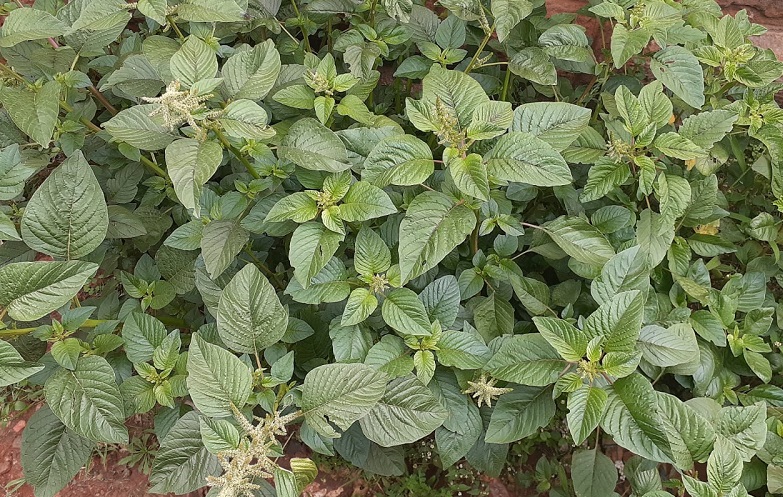
Amaranth plant is considered a weed by most farmers. There are 70 species of terere vegetables that grow in the Kenya. It can have purple, red and or gold leaves.
There are many recipes to cook amaranth leaves. Separate the tender leaves from larger stems. Fry the leaves separately or mixed with other vegetables, meat, fish or groundnuts. Mchicha vegetables contain proteins, carbohydrates, calcium, iron and vitamins B and C.
Besides using it for human food, it is a good livestock fodder
Cowpeas (Kunde) leaves
Kunde or cowpeas is an indigenous legume herb in Kenya.
The vegetable if best in dry areas or the dry season. Most of its varieties are drought tolerant. Being a bean family plant, it has soil fertility improvement benefits through the nitrogen fixation process.
Nightshade (Managu) Vegetables
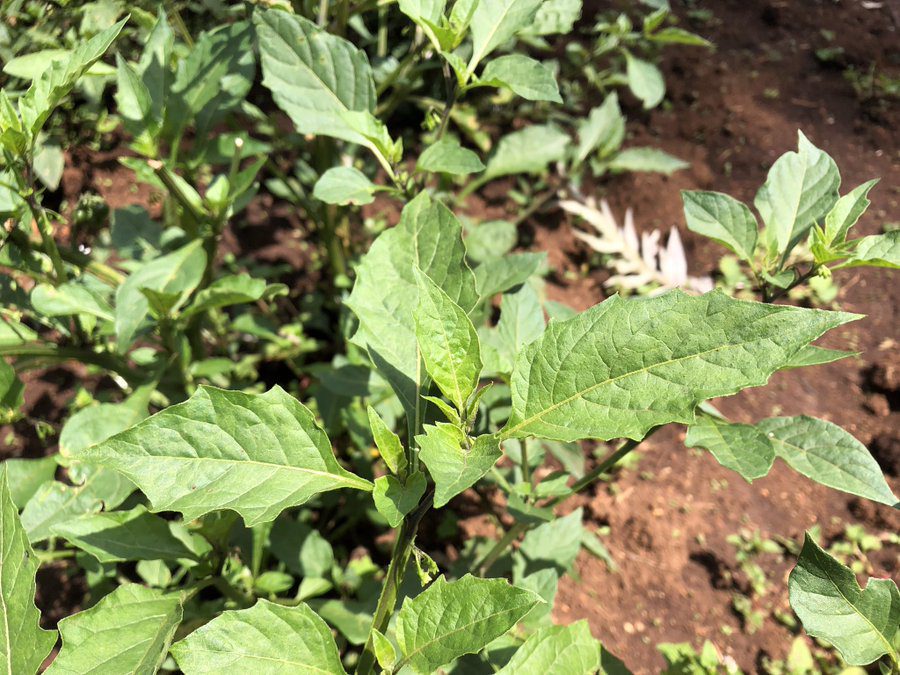
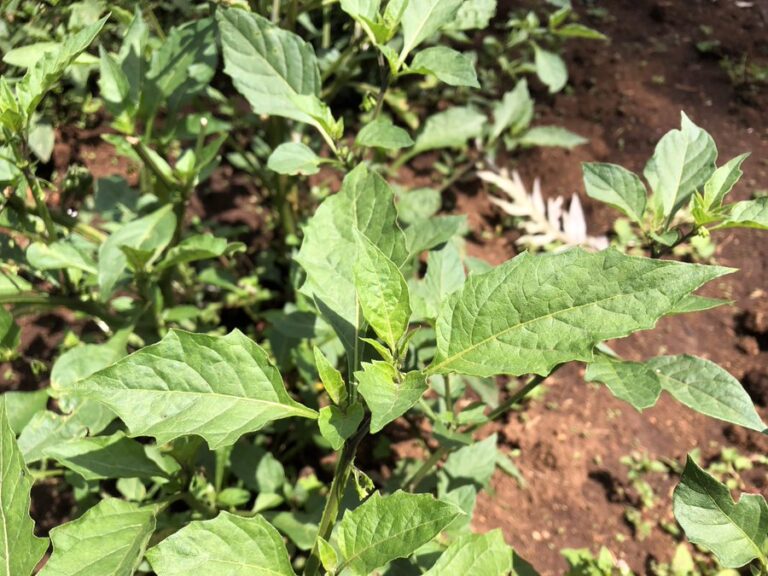
There are many varieties of managu vegetables, in English is known as nightshade, that is grown and marketed in Kenya and Uganda.
The plant leaves and fresh fruits are their edible parts. You will start harvesting around four weeks from transplanting and you can pick leaves at a weekly interval thereafter. prepare it with other vegetables like Sukuma wiki. if You prepare it alone, boil and discard the bitter water first. Ripe berries are children delicacies. The raw leaves and seeds provide vitamins A and C, calcium, iron, protein, carbohydrates and lipids.
Spider Plant (saga)
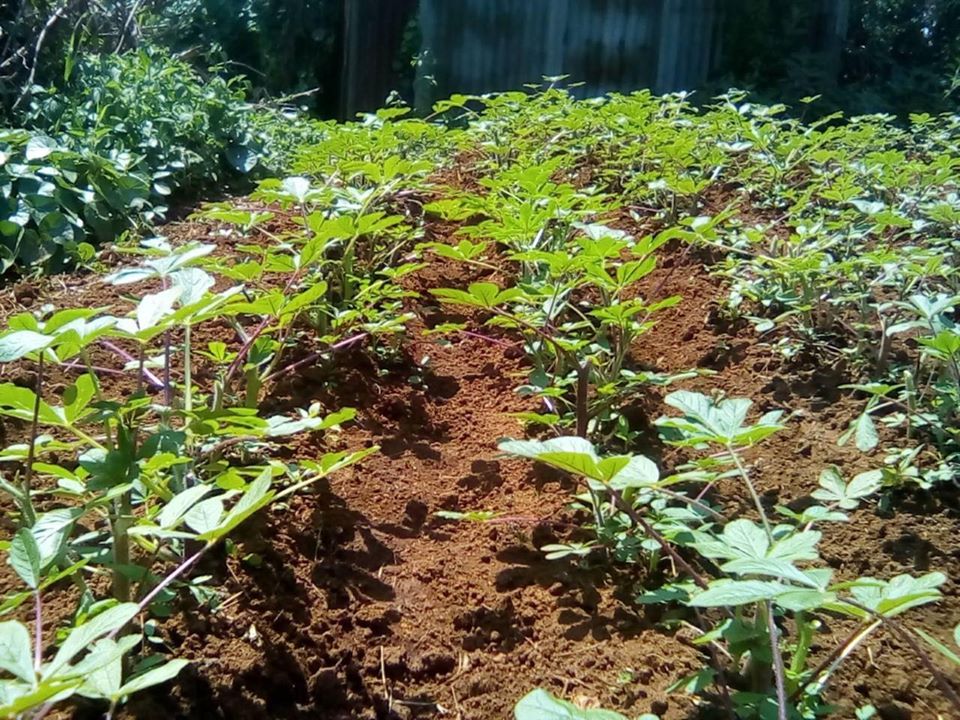
The leaves are bitter and it’s mostly cooked together with cowpeas and amaranth. In western Kenya, we cook it in milk to dilute the bitter taste. Sagaa vegetable is a key traditional medicinal plant. The herb remedies include treating chest pain, constipation and diarrheic.
Crotalaria (mitoo)
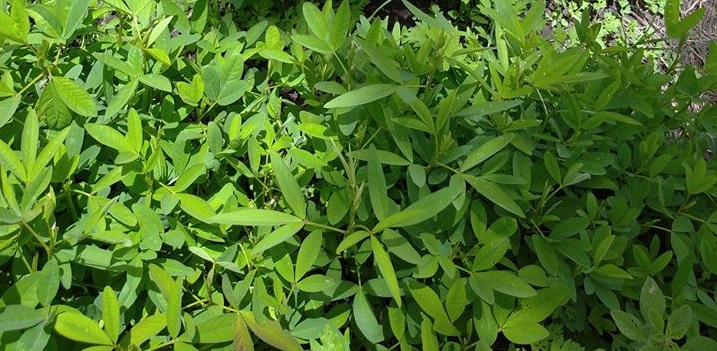
This leguminous perennial herb is most popular in western Kenya. You will plant “mitoo” from seeds. Does well in raised seedbeds that are well fertilised. Grown for its edible leaves that are bitter and hence well cooked in combination with other indigenous vegetables.
The plant is good in nitrogen fixation and widely promoted in crop rotation practice for sustainable climate-smart farming.
Jute Mallow (mlenda)
Best for you if you are an urban farmer in Kenyan towns below an altitude of 1500 metres above sea level. You will grow this from seeds planted in rows. To harvest, uproot the entire plant or prune branches and combine to sellable bunches. This latter method promotes Jute to produce more branches.
The vegetable is rich in protein and carbohydrates as well as vitamins B and C. when prepared on its own it is very slimy and is best cooked by combining it with the slightly hard cowpeas leaves or crotalaria.
Pumpkin leaves (malenge)
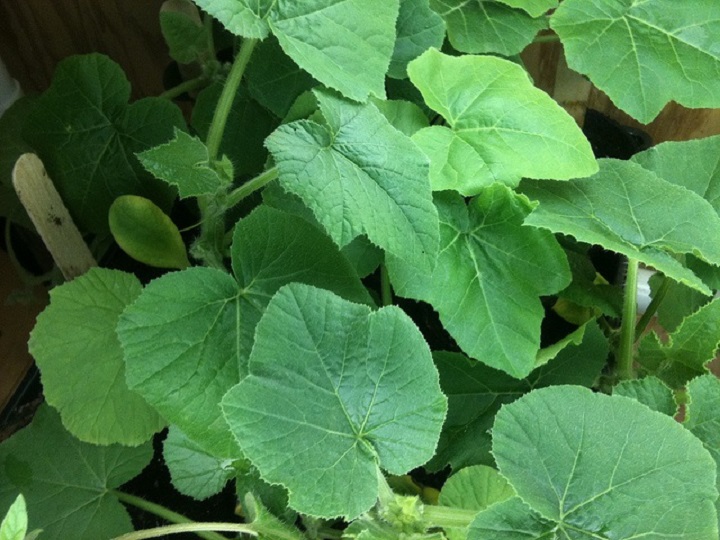
Pumpkin leaves popularly known as “Misheveve” vegetables in Kenya are a type of vine vegetables like the melon, cucumbers. Thet are grown for their nutritious leaves and fruits and seeds. The pumpkin varieties are “vine” plants whose running and bristled stems with big deep lobed leaves. It flowers yellow or orange.
Its young tender leaves are the most utilised. Remove the tough skin and leaf veins. They are then washed, chopped, and either boiled, steamed or/and fried. Other vegetables in the pumpkin leaves category are cucumbers, watermelons and “kahurura” vegetables
Comfrey (Mabaki) Vegetables
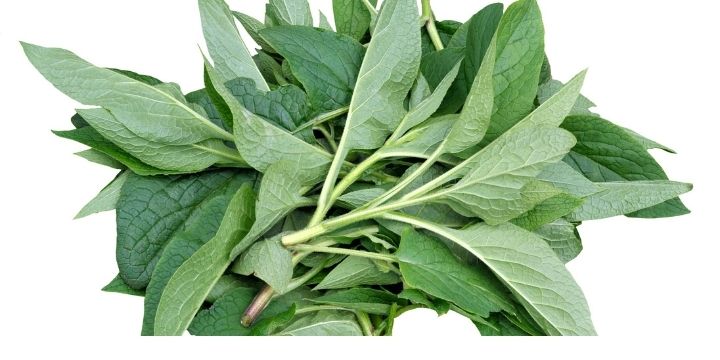
Mabaki vegetables or Comfrey leaves in English is one of the most important Kikuyu traditional vegetables. It’s use date back more than 2,000 years where it was used as a healing herb. You can use its leaves and roots to treat burns, sprains, swellings and bruises. But observe caution not to apply it to open wounds and broken leaves. Other claimed benefits of using Comfrey or mabaki leaves are that it can heal gastric ulcers and haemorrhoids, suppress bronchial congestion and inflammation.
In the region, people mostly mix it with other leafy vegetables to make “mukimo” a local recipe of mashed potatoes, green maize, and beans.
Less popular Kienyeji vegetables in Kenya
Apart from the above-listed vegetables, small scale farmers also use leaves from other crops like cassava, sweet potato, Irish potatoes, bean leaves and melon. Other types are more localized in specific communities and consumption has not spread in another area. These include the stinging nettle or thabai (Urtica massaica), Ethiopian mustard (Kanzira), moringa, mchunga in English known as Launaea cornuta, blackjack and African eggplant.
What are the benefits of growing kienyeji vegetables?
Farming “Mboga kienyeji” as they are commonly referred to has many benefits. It contributes to nutrition safety, environmental benefits, income generation and African traditional medicine among other benefits. We briefly explore these benefits.
- Food security; Traditional vegetables have higher nutritional value than most exotic vegetables. The table below compares the nutritional value of 100gm of edible cabbage with the 3 most common traditional vegetables; amaranth, spider plant and African nightshade.
| Nutrient | Terere | Sagaa | Managu | Cabbage |
| Moisture (gram) | 84 | 86.6 | 87.2 | 91.4 |
| Iron (milligram) | 8.9 | 6.0 | 1.0 | 0.7 |
| Protein(gram) | 4.6 | 4.8 | 4.3 | 1.7 |
| Calories | 42 | 34 | 38 | 26 |
| Carbohydrates | 8.2 | 5.2 | 5.7 | 6.0 |
| Fibre (gram) | 1.8 | 1.4 | 1.3 | 1.2 |
| Ascorbic Acid (Vitamin C) (milligram) | 64 | 13 | 20 | 54 |
| Calcium (milligram) | 410 | 288 | 442 | 47 |
| Phosphorous (milligram) | 103 | 111 | 75 | 40 |
| *B- Carotene (microgram) | 5716 | 10452 | 3660 | 100 |
| Thiamine (vitamin B1) (milligram) | 0.05 | – | – | 0.04 |
| Riboflavin (Vitamin B2) (milligram) | 0.42 | – | 0.59 | 0.1 |
You should not only grow these vegetables for the market but also as nutritious food for your family.
- Food Safety: Indigenous vegetables are primarily organic and often grow wild, unlike exotic vegetables that require chemical sprays and fertilizers. This reduces the intake of harmful toxins, promoting better health.
- Ready Market: With over 30% of Kenya’s population living in urban areas, there’s a significant market for kienyeji vegetables. Urban dwellers, especially those with health concerns like ulcers, diabetes, and hypertension, prefer these organically grown and medicinal greens.
- Income Generation: Growing and selling traditional vegetables is a profitable venture, particularly for women and youth. These vegetables can be grown year-round, dried, and sold as powder or dried vegetables, providing a steady income.
- Growing Demand: National and county governments, NGOs, and other stakeholders are actively promoting the benefits of African leafy vegetables. These crops are seen as essential for improving nutrition, health, and economic conditions for vulnerable populations.
- Environmental Benefits: Indigenous vegetables like cowpeas help in nitrogen fixation, improving soil health and aiding environmental management.
- Short Term to Maturity: Most traditional vegetables mature quickly, within 3 weeks to 3 months, allowing for a continuous supply of nutritious food and income, even during dry periods.
- Medicinal Value: These vegetables have anti-oxidative properties that can reduce cellular oxidative damage and potentially prevent cancers and cardiovascular diseases.
Challenges affecting farming, marketing and consumption of AIVs
- Historical Stigma: Indigenous vegetables have historically been associated with poverty, which has led to a persistent stigma, especially among urban and higher-income groups.
- Lack of Awareness: Many consumers are not fully aware of the nutritional benefits of traditional vegetables, affecting their consumption patterns.
- Market Accessibility: Farmers often struggle to access reliable markets to sell their produce, which can discourage the cultivation of these crops.
- Production Issues: Farmers face challenges related to pest and disease management, even though traditional vegetables are generally more resilient.
- Post-Harvest Losses: Poor post-harvest handling and storage practices result in significant losses, reducing profitability.
- Economic and Social Barriers: Economic distress, exacerbated by events like the COVID-19 pandemic, has increased food insecurity, affecting the production and consumption of traditional vegetables
In Conclusion
As a farmer, you can tap into the growing demand for indigenous vegetables by cultivating these resilient and nutritious crops. By doing so, you contribute to food security, support your livelihood, and promote sustainable farming.
Cooks and home chefs, share your favorite kienyeji vegetable recipes to inspire others to include these healthy greens in their diets. By cooking and enjoying more indigenous vegetables, you help preserve our cultural heritage and improve our community’s health.
Together, let’s make sure more African Indigenous Vegetables (AIVs) are grown and eaten. Grow, cook, and savor the goodness of Kenya’s indigenous vegetables!
Did you Like the Post? Let us know below
Agcenture.com is your best agriculture, food & health blog.
Thank you for following us on Facebook, Twitter (X), LinkedIn, YouTube, and WhatsApp @ Agcenture for the latest updates.
[…] semi-arid regions benefitting millions of agro-pastoralists. Others like the exotic herbs and African leafy vegetables are highly profitable in a short time and can be grown organically in urban […]
[…] African leafy vegetables such as amaranth, spider plant and the black nightshade. […]
[…] variety of fresh greens and fruits on your property. Options of food products you can grow include, African leafy vegetables like amaranth and exotic herbs and spices such as rosemary and chives. By growing your own food, […]
[…] of the best crops to grow are highly consumed vegetables like kale or spinach and traditional leafy vegetables (manage, sage, Kunde) and […]
[…] is an unmet demand for safe green vegetables. There are a variety of types you can consider. Cowpeas, amaranth and black nightshade are some of the most popular in Kenya towns. You can raise them […]
[…] Its high demand, you can grow spinach for market together with “sukumawiki” and other indigenous leafy vegetables. You can grow it an open field, under greenhouses or in container gardens placed on your balcony or […]
[…] This demand is associated with their high dietary, nutrient and medicinal properties. Known as “kienyeji” or indigenous vegetables are a common delicacy and usually served with Kenya’s popular dish, the cornmeal or “Ugali” at […]
[…] Unlike other stems, leave or fruit veggies, the cucurbits shoots, ripe and raw fruits, and leaves are edible. For some types, […]
[…] it is usually a farmed weed or collected from the wild. Its high demand in towns alongside other local veggies like sagaa or mchicha has led to its commercial […]
[…] vegetables that easy to grow and care to help your child get success. Few pests and diseases infect indigenous vegetables in your area. Exotic ones like tomatoes, radishes and carrots have certified seeds that resist […]
[…] you looking for fast-maturing profitable crops? Consider growing the African traditional vegetables, spinach, kales, and cabbages. These have a high demand during the dry months of Dec-March. You may […]
[…] (Amaranthus spp.) is popular a traditional vegetable alongside managu amd saget. It is known as Terere in Kikuyu and Mchicha in Swahili languages. Other […]
Amazing knowledge and I like to share this kind of information with my friends and hope they like it they why I do